
Green Infrastructure Investment: How Companies Can Participate and Benefit
Green infrastructure investment offers South African companies a powerful path to resilience, growth, and sustainability. Learn how to participate and benefit.
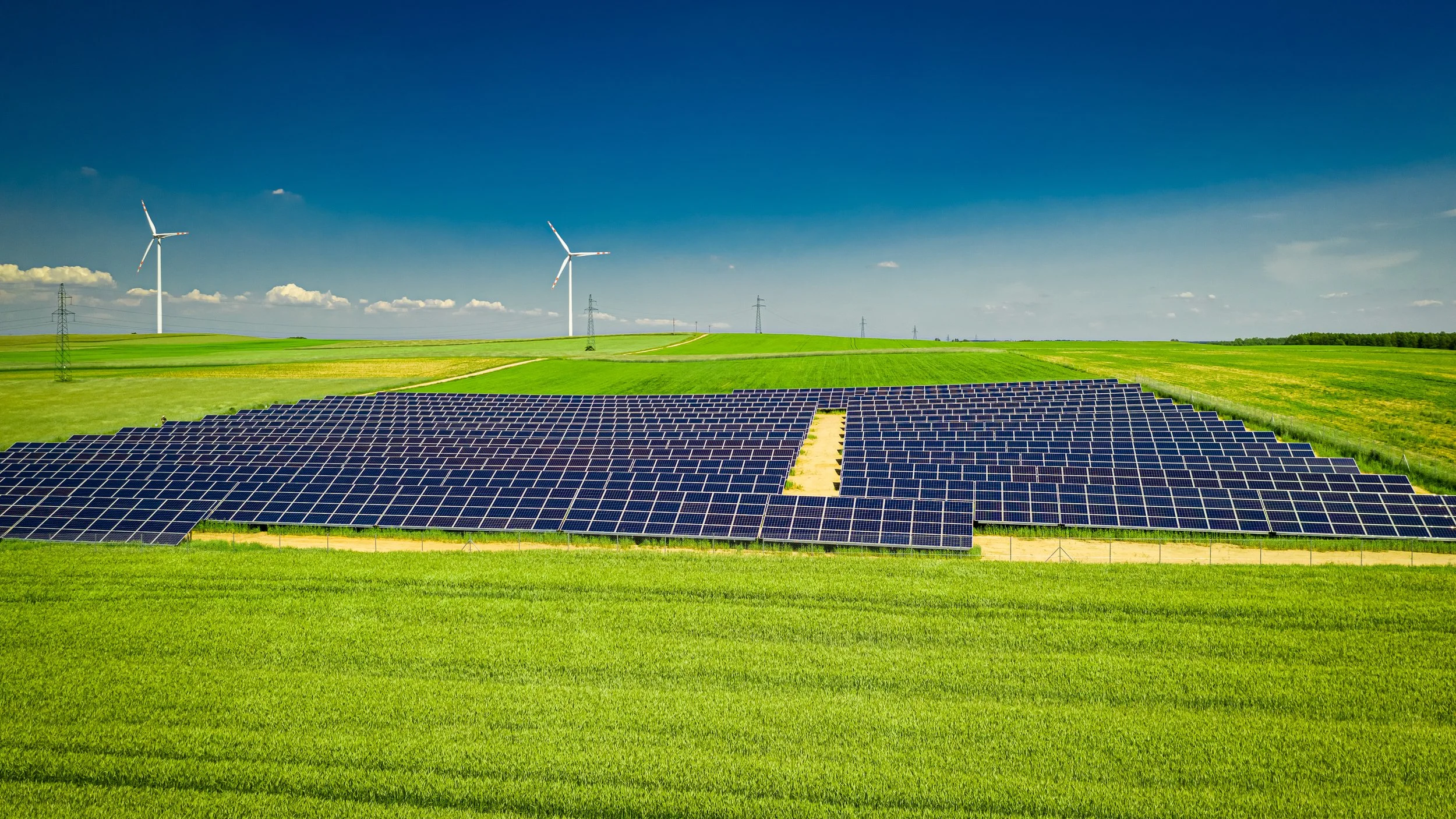
As South Africa confronts energy insecurity, climate risk, and infrastructure backlogs, green infrastructure investment has moved from policy aspiration to economic necessity. Renewable energy, water resilience, transport modernisation, and climate-smart cities are no longer just public-sector priorities — they are rapidly becoming strategic opportunities for private enterprise.
For companies, green infrastructure is not only about sustainability compliance. It is about unlocking growth, reducing long-term risk, accessing new funding channels, and strengthening competitiveness in a changing global economy.
This article explores how companies can participate in green infrastructure investment — and why doing so delivers measurable commercial and strategic benefits.
Why Green Infrastructure Matters for Business
Green infrastructure refers to assets and systems designed to deliver environmental benefits alongside economic value. This includes renewable energy, energy-efficient buildings, sustainable transport, water systems, waste management, and climate-resilient infrastructure.
For South African businesses, the urgency is clear. Energy instability, water stress, and climate shocks directly threaten operational continuity — risks highlighted in Global Economic Headwinds: How South African Businesses Can Stay Resilient.
Green infrastructure helps businesses:
Reduce exposure to energy and resource volatility
Strengthen supply-chain resilience
Align with ESG and investor expectations
Access new growth markets and incentives
The Strategic Shift: From Compliance to Competitive Advantage
Historically, sustainability investments were seen as cost centres. Today, they are value drivers.
Companies that integrate green infrastructure into strategy outperform peers in resilience, reputation, and long-term returns — reinforcing lessons from Why Purpose-Driven Organisations Outperform Their Peers.
Global capital markets increasingly reward organisations that demonstrate credible sustainability pathways, while customers and talent gravitate toward future-oriented brands.
Key insight: Green infrastructure is no longer optional — it is a strategic lever.
Where Companies Can Participate
Private-sector participation in green infrastructure is broader than many leaders realise. Key entry points include:
1. Renewable Energy and Embedded Generation
Solar, wind, battery storage, and microgrids allow businesses to reduce reliance on the national grid while stabilising energy costs.
This directly connects to opportunities outlined in South Africa’s Green Economy: Opportunities for Growth.
Examples of participation:
On-site renewable installations
Power purchase agreements (PPAs)
Investment in independent power producers
2. Green Buildings and Infrastructure Upgrades
Energy-efficient buildings, smart systems, and retrofits deliver long-term cost savings while improving asset value.
Benefits include:
Lower operating expenses
Improved employee wellbeing and productivity
Higher property valuations
3. Water and Waste Infrastructure
Water scarcity is a growing operational risk in South Africa. Investment in recycling, reuse, and efficiency infrastructure protects continuity while reducing regulatory exposure.
4. Sustainable Transport and Logistics
Electric vehicle fleets, logistics optimisation, and rail-based transport solutions reduce emissions while lowering fuel and maintenance costs.
Funding and Incentives: Capital Is Available
One of the most persistent myths is that green infrastructure is too expensive. In reality, funding availability has never been stronger.
Companies can access:
Development finance institutions (DFIs)
Green bonds and sustainability-linked loans
Public-private partnerships (PPPs)
International climate finance and blended finance structures
South Africa’s growing role in global climate finance discussions — explored in G20 Summit 2025: What South Africa’s Role Means for Global Influence and Local Growth — is expanding these opportunities further.
Governance, Risk, and Execution
Green infrastructure investments require strong governance, long-term thinking, and execution discipline.
Common pitfalls include:
Poor alignment between sustainability and core strategy
Underestimating operational complexity
Weak change management
Bridging intent and execution mirrors challenges addressed in From Strategy to Execution: Closing the Gap in Organisations.
Best practice: Treat green infrastructure as a strategic transformation initiative — not a side project.
Leadership Capabilities Needed
Participating effectively in green infrastructure requires leaders who can balance economic performance with long-term value creation.
This leadership shift aligns with themes in The Evolving Role of Leadership in 2026: From Control to Empowerment and Designing the Future: Strategic Priorities for South African Leaders in 2026.
Key capabilities include:
Systems thinking
Stakeholder collaboration
Scenario planning
Long-term capital allocation
The Business Case: Tangible Returns
Companies that invest in green infrastructure consistently report:
Lower energy and resource costs
Improved operational resilience
Stronger investor and lender confidence
Enhanced brand and employer reputation
In volatile environments, these advantages compound — reinforcing insights from From Insight to Impact: Building Resilient Strategies for a Volatile Economy.
Conclusion
Green infrastructure investment is no longer the domain of governments alone. For South African companies, it represents a powerful intersection of resilience, growth, and sustainability.
Organisations that act early will not only protect themselves from future shocks — they will help shape the economic and environmental foundations of South Africa’s next growth cycle.
In a world of rising uncertainty, green infrastructure offers something rare: long-term value that benefits both business and society.