
Green Infrastructure Investment: How Companies Can Participate and Benefit
Green infrastructure investment offers South African companies a powerful path to resilience, growth, and sustainability. Learn how to participate and benefit.
As South Africa confronts energy insecurity, climate risk, and infrastructure backlogs, green infrastructure investment has moved from policy aspiration to economic necessity. Renewable energy, water resilience, transport modernisation, and climate-smart cities are no longer just public-sector priorities — they are rapidly becoming strategic opportunities for private enterprise.
For companies, green infrastructure is not only about sustainability compliance. It is about unlocking growth, reducing long-term risk, accessing new funding channels, and strengthening competitiveness in a changing global economy.
This article explores how companies can participate in green infrastructure investment — and why doing so delivers measurable commercial and strategic benefits.
Why Green Infrastructure Matters for Business
Green infrastructure refers to assets and systems designed to deliver environmental benefits alongside economic value. This includes renewable energy, energy-efficient buildings, sustainable transport, water systems, waste management, and climate-resilient infrastructure.
For South African businesses, the urgency is clear. Energy instability, water stress, and climate shocks directly threaten operational continuity — risks highlighted in Global Economic Headwinds: How South African Businesses Can Stay Resilient.
Green infrastructure helps businesses:
Reduce exposure to energy and resource volatility
Strengthen supply-chain resilience
Align with ESG and investor expectations
Access new growth markets and incentives
The Strategic Shift: From Compliance to Competitive Advantage
Historically, sustainability investments were seen as cost centres. Today, they are value drivers.
Companies that integrate green infrastructure into strategy outperform peers in resilience, reputation, and long-term returns — reinforcing lessons from Why Purpose-Driven Organisations Outperform Their Peers.
Global capital markets increasingly reward organisations that demonstrate credible sustainability pathways, while customers and talent gravitate toward future-oriented brands.
Key insight: Green infrastructure is no longer optional — it is a strategic lever.
Where Companies Can Participate
Private-sector participation in green infrastructure is broader than many leaders realise. Key entry points include:
1. Renewable Energy and Embedded Generation
Solar, wind, battery storage, and microgrids allow businesses to reduce reliance on the national grid while stabilising energy costs.
This directly connects to opportunities outlined in South Africa’s Green Economy: Opportunities for Growth.
Examples of participation:
On-site renewable installations
Power purchase agreements (PPAs)
Investment in independent power producers
2. Green Buildings and Infrastructure Upgrades
Energy-efficient buildings, smart systems, and retrofits deliver long-term cost savings while improving asset value.
Benefits include:
Lower operating expenses
Improved employee wellbeing and productivity
Higher property valuations
3. Water and Waste Infrastructure
Water scarcity is a growing operational risk in South Africa. Investment in recycling, reuse, and efficiency infrastructure protects continuity while reducing regulatory exposure.
4. Sustainable Transport and Logistics
Electric vehicle fleets, logistics optimisation, and rail-based transport solutions reduce emissions while lowering fuel and maintenance costs.
Funding and Incentives: Capital Is Available
One of the most persistent myths is that green infrastructure is too expensive. In reality, funding availability has never been stronger.
Companies can access:
Development finance institutions (DFIs)
Green bonds and sustainability-linked loans
Public-private partnerships (PPPs)
International climate finance and blended finance structures
South Africa’s growing role in global climate finance discussions — explored in G20 Summit 2025: What South Africa’s Role Means for Global Influence and Local Growth — is expanding these opportunities further.
Governance, Risk, and Execution
Green infrastructure investments require strong governance, long-term thinking, and execution discipline.
Common pitfalls include:
Poor alignment between sustainability and core strategy
Underestimating operational complexity
Weak change management
Bridging intent and execution mirrors challenges addressed in From Strategy to Execution: Closing the Gap in Organisations.
Best practice: Treat green infrastructure as a strategic transformation initiative — not a side project.
Leadership Capabilities Needed
Participating effectively in green infrastructure requires leaders who can balance economic performance with long-term value creation.
This leadership shift aligns with themes in The Evolving Role of Leadership in 2026: From Control to Empowerment and Designing the Future: Strategic Priorities for South African Leaders in 2026.
Key capabilities include:
Systems thinking
Stakeholder collaboration
Scenario planning
Long-term capital allocation
The Business Case: Tangible Returns
Companies that invest in green infrastructure consistently report:
Lower energy and resource costs
Improved operational resilience
Stronger investor and lender confidence
Enhanced brand and employer reputation
In volatile environments, these advantages compound — reinforcing insights from From Insight to Impact: Building Resilient Strategies for a Volatile Economy.
Conclusion
Green infrastructure investment is no longer the domain of governments alone. For South African companies, it represents a powerful intersection of resilience, growth, and sustainability.
Organisations that act early will not only protect themselves from future shocks — they will help shape the economic and environmental foundations of South Africa’s next growth cycle.
In a world of rising uncertainty, green infrastructure offers something rare: long-term value that benefits both business and society.
South Africa’s Green Economy: Opportunities for Growth
South Africa’s green economy offers vast potential for job creation, innovation, and sustainable growth. Discover how businesses can lead the green transition.
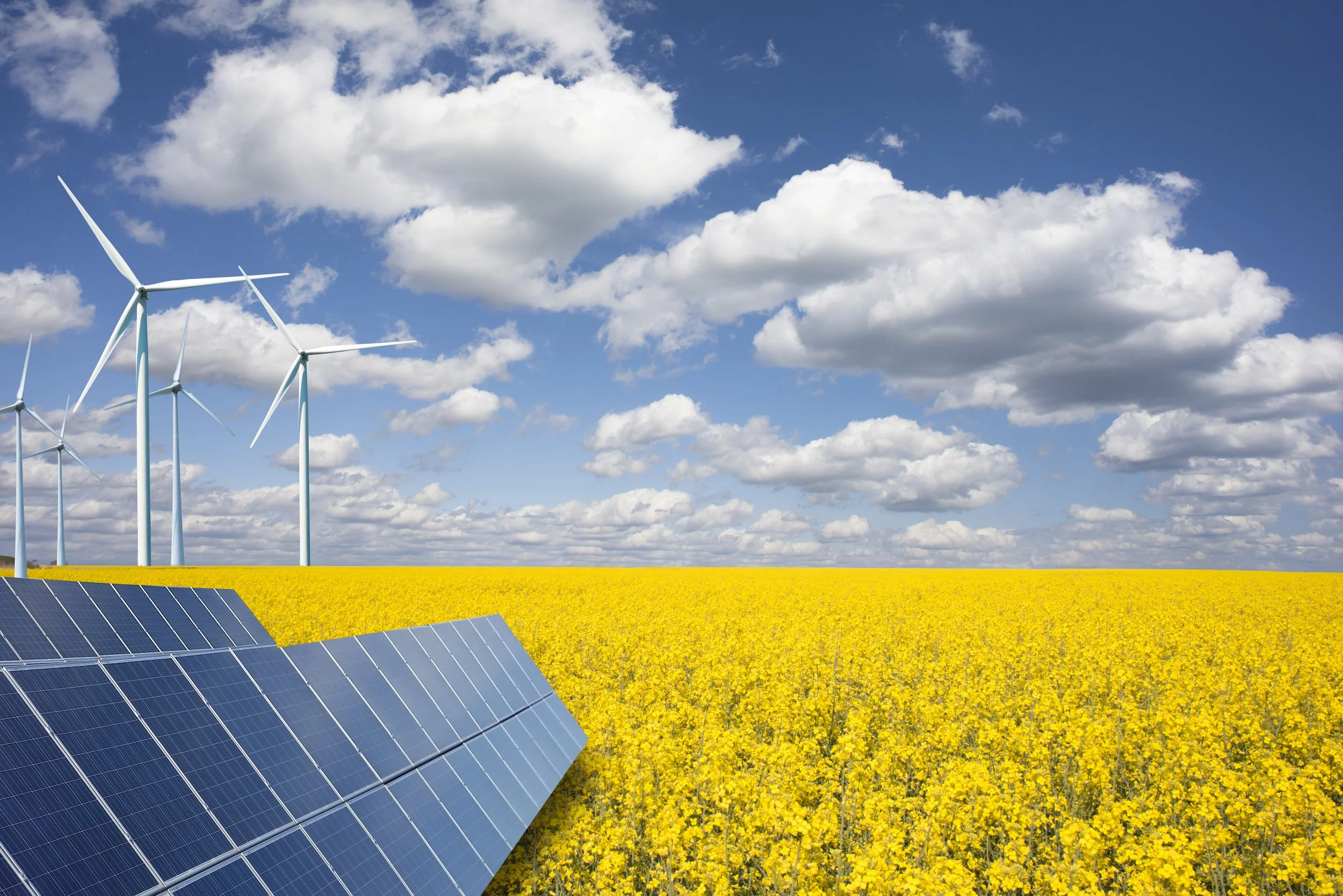
As the world races toward sustainability, South Africa stands at a crossroads. The question isn’t whether to go green—it’s how fast we can move. The green economy isn’t just about saving the planet; it’s about unlocking the next wave of growth, jobs, and innovation.
Think of South Africa’s economy as a garden that’s ready for renewal. For decades, growth has relied heavily on carbon-intensive industries. But as global markets shift toward sustainability, there’s fertile ground for new kinds of investment—clean energy, green manufacturing, and sustainable agriculture.
The green economy represents a trillion-rand opportunity for South Africa to reinvent itself. This article explores how businesses, investors, and policymakers can capitalise on the transition—turning environmental responsibility into long-term economic gain.
1. Defining South Africa’s Green Economy
The green economy refers to economic activities that result in improved human well-being and social equity, while significantly reducing environmental risks and ecological scarcities.
In South Africa, this means transitioning from fossil-fuel dependency to renewable energy sources, sustainable agriculture, green construction, and circular manufacturing systems.
According to the Department of Forestry, Fisheries and the Environment (DFFE), the green economy could create over 460,000 new jobs by 2030, particularly in renewable energy, waste management, and sustainable transport.
Tip: Businesses that align with national sustainability goals—like those in the Just Energy Transition Framework—will gain early-mover advantages and stronger investor confidence.
2. Renewable Energy: Powering the Transition
South Africa’s energy future is increasingly green. With load-shedding hampering productivity, renewable energy isn’t just ethical—it’s essential.
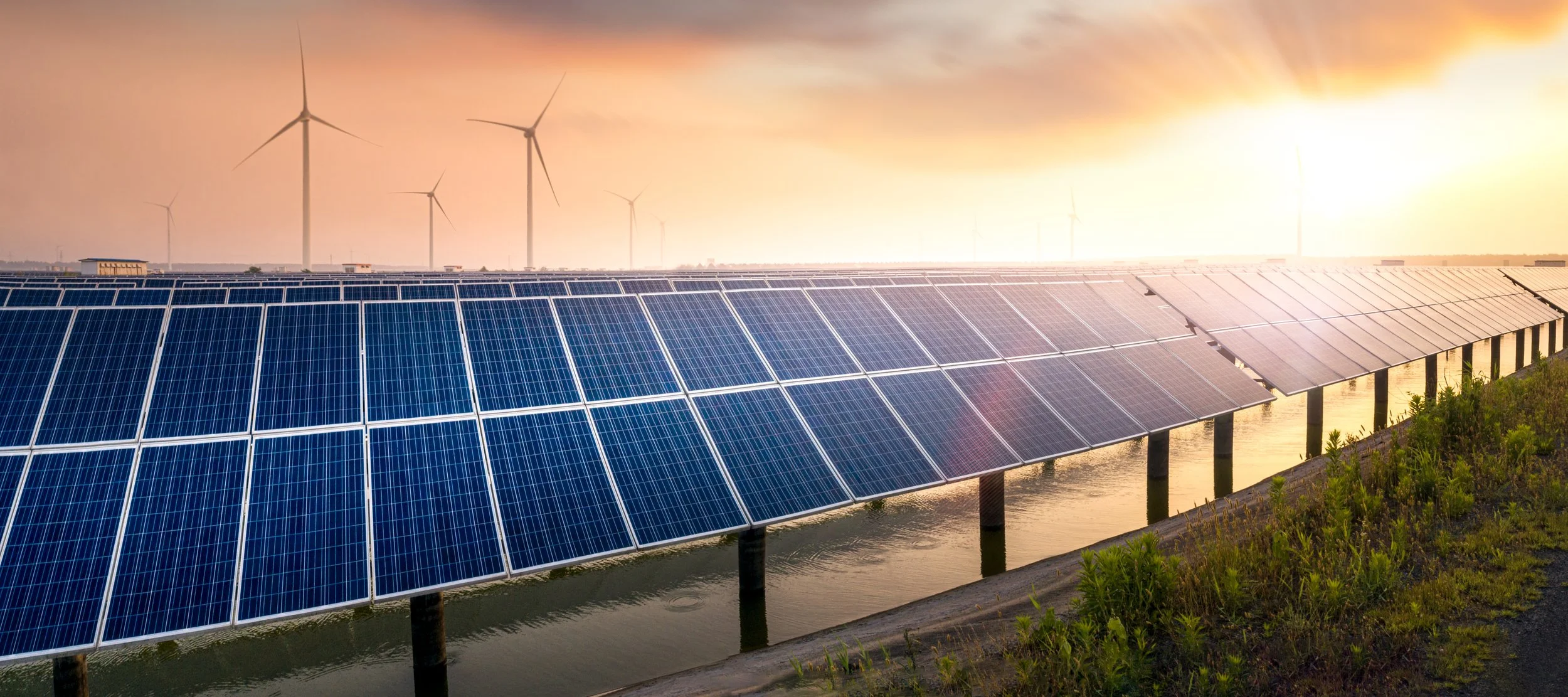
The country’s solar and wind potential is among the highest in the world. Initiatives like the Renewable Energy Independent Power Producer Procurement Programme (REIPPPP) are attracting billions in investment.
Quote: “Renewables aren’t the future—they’re the present,” says Pravin Gordhan, former South Africa’s Minister of Public Enterprises.
Tip: SMEs can explore solar-as-a-service models and energy efficiency projects to reduce costs and carbon footprints while gaining sustainability credentials.
3. Circular Economy: Waste as Wealth
The linear “take, make, dispose” model is out; circularity is in. South African companies are turning waste into opportunity—from recycled plastics in manufacturing to biogas energy projects.
The National Waste Management Strategy (NWMS) encourages businesses to adopt circular principles. This not only reduces landfill costs but opens new income streams through recycling and materials recovery.
Statistic: The circular economy could add R500 billion to Africa’s GDP by 2030 (World Bank).
Tip: Companies can start small—introducing product recycling, reuse initiatives, or waste audits to identify hidden efficiencies.
4. Sustainable Agriculture and Food Security
Agriculture is at the heart of South Africa’s economy, but it’s also vulnerable to climate change. Droughts, water scarcity, and soil degradation threaten long-term food security.
However, green innovations like precision farming, drip irrigation, and agroforestry are helping farmers increase yield while conserving resources.
Example: The Western Cape’s SmartAgri programme has supported hundreds of farmers in adopting climate-smart techniques, boosting both productivity and resilience.
Tip: Agribusinesses should invest in digital agriculture and sustainable supply chains to attract ESG-focused investors.
5. Green Finance and Investment Opportunities
Sustainability is no longer just an ethical checkbox—it’s a financial driver. The Johannesburg Stock Exchange (JSE) now lists green bonds and sustainability-linked instruments that fund renewable and eco-friendly projects.
Global investors are increasingly directing funds toward businesses that meet ESG (Environmental, Social, and Governance) criteria. For South African companies, this means better access to international capital and lower risk premiums.
Statistic: ESG-focused investments are projected to reach US$50 trillion globally by 2025 (Bloomberg Intelligence).
Tip: To attract green investors, ensure transparent sustainability reporting aligned with frameworks like GRI or TCFD.
6. Policy and Public-Private Collaboration
Government policy plays a crucial role in scaling the green economy. South Africa’s National Development Plan (NDP) 2030 highlights green growth as a pillar for inclusive prosperity.
Public-private partnerships (PPPs) have already proven effective in renewable energy, waste management, and water infrastructure. As collaboration grows, businesses can play an active role in co-developing green solutions that deliver both social and economic impact.
Quote: “A green economy is not a luxury—it’s the foundation for sustainable competitiveness,” says Barbara Creecy, former Minister of Environment.
Tip: Businesses should engage in multi-stakeholder platforms to stay ahead of regulatory changes and funding opportunities.
7. Building Skills for the Green Future
To fully unlock the green economy, South Africa needs a workforce ready to power it. Skills in renewable energy installation, environmental engineering, green design, and sustainable logistics are in growing demand.
Training initiatives like Green Skills SA and YES4Youth are bridging this gap, equipping young professionals with the expertise to thrive in a sustainability-driven economy.
Tip: Organisations should partner with educational institutions to design vocational training and re-skilling programmes tailored for green sectors.
Conclusion: Turning Sustainability into Strategy
The green economy isn’t a side project—it’s the next growth frontier for South Africa. By investing in renewable energy, circular systems, sustainable agriculture, and green finance, businesses can create jobs, attract capital, and future-proof their operations.
In the words of Ban Ki-moon, former UN Secretary-General:
“Saving our planet, lifting people out of poverty, advancing economic growth—these are one and the same fight.”
South Africa’s path to prosperity runs through sustainability. The time to act—and invest—is now.