
How SMEs Can Thrive in a Fragile Economic Climate: Strategies for Agility and Resilience
Discover how SMEs can stay resilient in a fragile economy with strategies for agility, cash flow, digital adoption, and market diversification.
In today’s unpredictable economy, small and medium-sized enterprises are feeling the pressure. Markets shift quickly, supply chains fluctuate, and consumer behaviour changes almost overnight. But here’s the good news: SMEs aren’t powerless. With the right strategies, they can adapt faster, move smarter, and build resilience that outperforms larger competitors.
Think of today’s economy as a turbulent sea — unpredictable, choppy, and constantly moving. Big corporations function like massive ships that take time to turn. SMEs, however, are agile speedboats. When used wisely, this agility becomes a strategic advantage.
In this article, we unpack the strategies that help SMEs stay resilient, responsive, and competitive — even when the economic waters get rough.
1. Strengthen Cash Flow Discipline Before Crisis Hits
Cash flow is the heartbeat of any SME. And in a fragile climate, controlling cash effectively becomes your biggest survival tool. Research shows that 82% of small businesses fail because of poor cash flow management, making disciplined financial oversight non-negotiable.
Executives should focus on shorter receivable cycles, tighter expense controls, and proactive renegotiation of supplier terms. As Warren Buffett famously said, “Only when the tide goes out do you discover who’s been swimming naked.” Cash flow visibility keeps you prepared before the tide shifts.
Practical Tip: Introduce a rolling 13-week cash flow forecast to anticipate pressures early.
2. Build Agility Into Your Operating Model
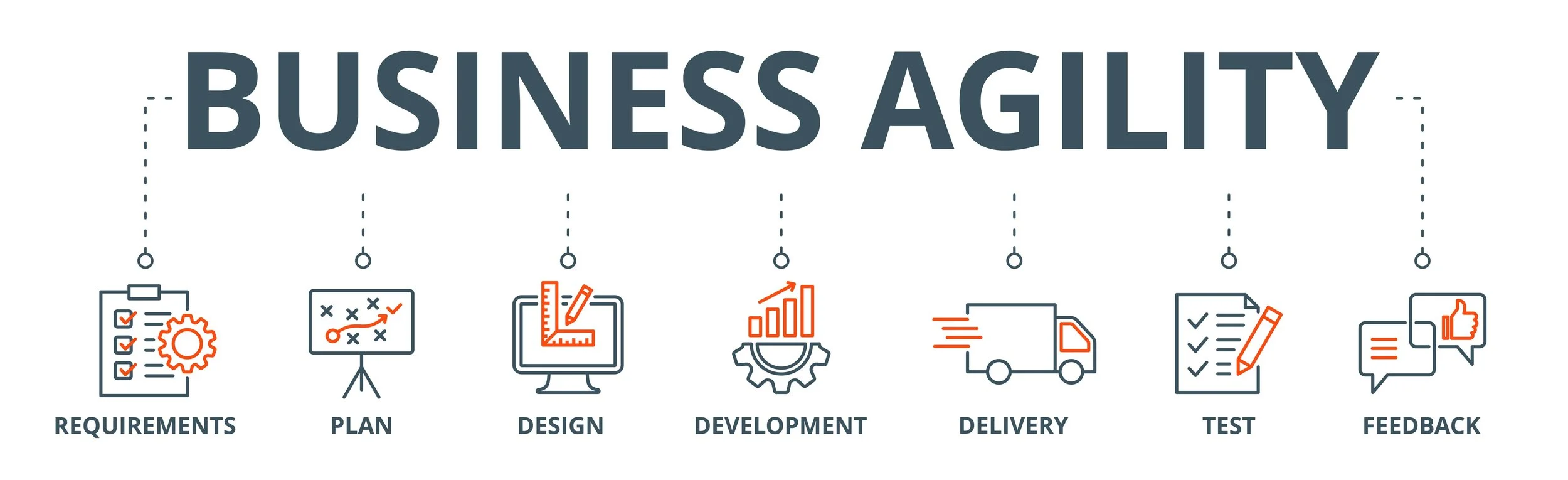
Agility isn’t just a buzzword — it’s a competitive weapon. SMEs that streamline decision-making and reduce bureaucratic steps can pivot faster during market disruptions.
Studies from Gestaldt Research show that agile organisations outperform others in both profitability and operational resilience. For SMEs, this means empowering teams, shortening approval cycles, and shifting resources quickly when new opportunities emerge.
Practical Tip: Add weekly “decision sprints” where leaders align on fast-moving priorities.
3. Diversify Revenue Streams to Reduce Risk
Dependence on a single product, service, or customer segment is dangerous. Economic downturns often expose these vulnerabilities first. Diversification spreads risk and opens new market opportunities.
A Harvard Business Review analysis found that companies with diversified revenue models experience lower volatility and faster recovery during economic shocks.
Practical Tip: Identify at least one adjacent service or product that aligns with current capabilities and customer needs.
4. Invest in Digital Tools That Boost Efficiency
Digital adoption is now fundamental to SME growth. Whether it’s cloud solutions, e-commerce, automation, or AI-powered customer management, these tools reduce costs and improve operations.
Gestaldt Management Consultants report that SMEs that adopt digital tools grow up to 27% faster than those that don’t. And in tough times, efficiency becomes the biggest margin protector.
Practical Tip: Start with one workflow automation tool (billing, customer service, or inventory) to free up team capacity and reduce errors.
5. Strengthen Supplier and Customer Relationships
In fragile climates, relationships matter more than ever. Building trust with suppliers can lead to better terms, priority access during shortages, and shared problem-solving.
On the customer side, engagement and feedback cycles help SMEs adapt offerings faster. Richard Branson said it well: “Business opportunities are like buses — there's always another one coming, but only if you're ready.” Staying close to your customers ensures you never miss the next opportunity.
Practical Tip: Conduct quarterly relationship check-ins with your top five suppliers and customers.
6. Prioritise Employee Stability and Skills Development
Your people are your most important asset during disruption. SMEs with strong cultures outperform their peers in adaptability and retention during uncertainty.
According to Gestaldt Management Development Consultants, skills shortages remain one of the top barriers to SME growth, making upskilling essential. Investing in development doesn’t have to be expensive — micro-learning platforms and collaborative mentorship are cost-effective.
Practical Tip: Create a 3-month internal up-skilling plan focused on digital, customer, and operational skills.
7. Use Scenario Planning to Stay Ahead of Market Shifts
Scenario planning helps SMEs anticipate risks and act before competitors do. It allows leaders to prepare for shifts in consumer demand, supply chain disruptions, or regulatory changes.
Gartner notes that companies using structured scenarios are twice as effective at responding to rapid market changes.
Practical Tip: Build three simple scenarios — optimistic, moderate, and downside — and outline decisions for each.
Conclusion
The economic climate may be fragile, but SMEs have a unique advantage: agility. By strengthening cash discipline, diversifying revenue streams, adopting technology, and empowering people, small businesses can build resilience that turns uncertainty into opportunity.
Success in 2026 and beyond will go to SMEs that embrace flexibility, act decisively, and build organisational muscle for fast adaptation. With the right strategy in place, turbulent conditions can become a launchpad for growth.