Leadership 2.0: Augmenting Human Skills with Digital Tools
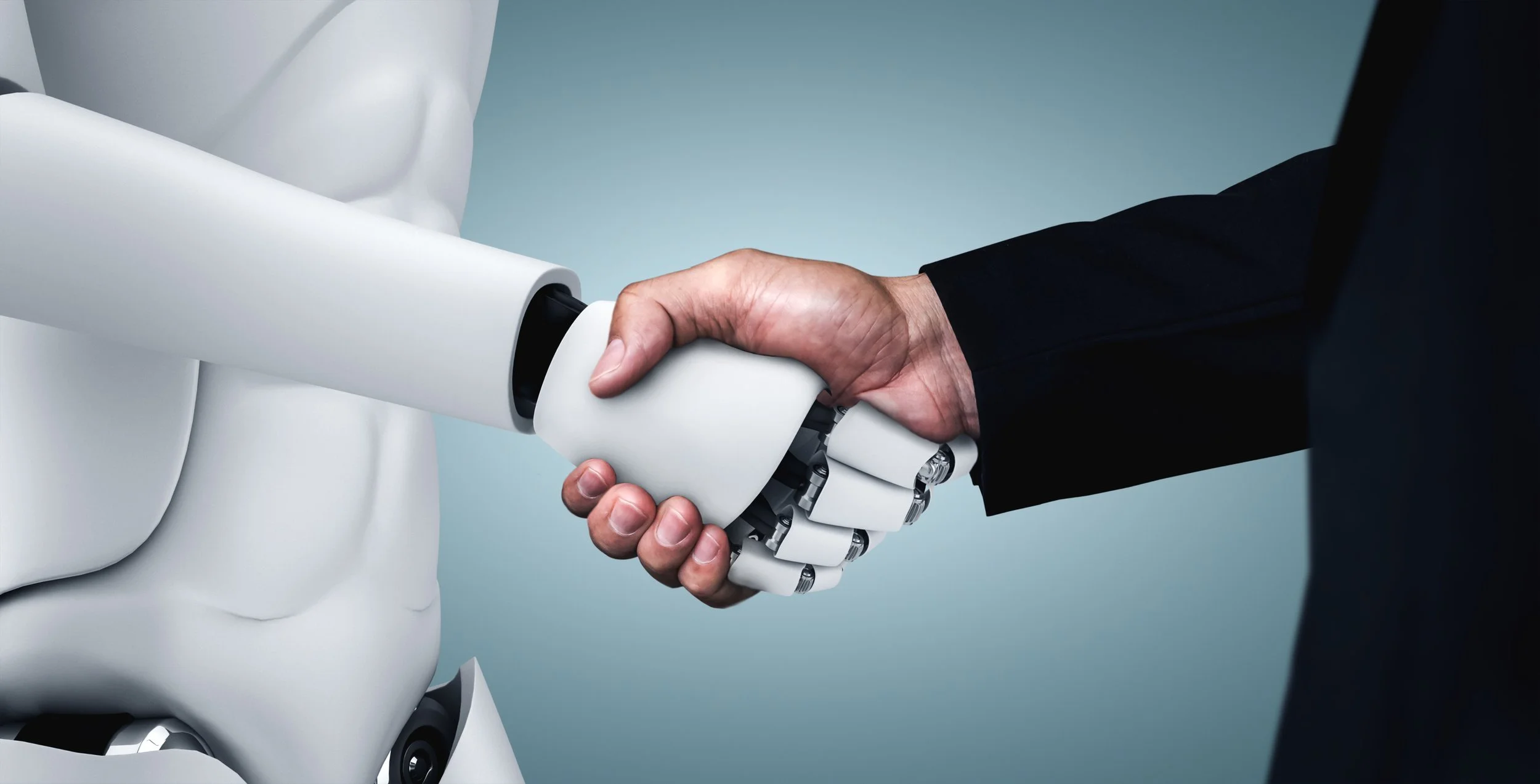
The corner office doesn’t look like it used to. Today’s leaders aren’t just steering teams—they’re navigating algorithms, dashboards, remote cultures, and digital ecosystems. Blink, and you’ll miss the shift.
Think of Leadership 2.0 as upgrading from a paper map to GPS. The destination—growth, innovation, impact—hasn’t changed. But the tools? They’ve gone digital. The leaders who thrive aren’t the ones who know everything. They’re the ones who know how to combine human intuition with smart technology.
In this guide, you’ll discover how to blend emotional intelligence with artificial intelligence, use data without losing your humanity, and build resilient teams in a tech-powered world.
1. From Gut Instinct to Data-Driven Confidence
Ever made a decision based purely on “a feeling”? We all have. But in today’s landscape, instinct alone won’t cut it.
Leadership 2.0 doesn’t replace intuition—it strengthens it with evidence. According to a Gestaldt report, data-driven organisations are 25 times more likely to acquire customers and 20 times more likely to be profitable.
Tools like CRM systems, analytics dashboards, and AI forecasting platforms allow leaders to validate their instincts. Companies such as Microsoft have embedded real-time analytics into everyday workflows, enabling leaders to make faster, more accurate calls.
As leadership expert John C. Maxwell famously said, “A leader is one who knows the way, goes the way, and shows the way.” In 2026, knowing the way means understanding your data.
Practical Tip:
Start small. Identify one recurring decision—like marketing performance or team productivity—and introduce a data dashboard to guide it.
For deeper insights on strategic thinking, explore our guide on Strategic Decision-Making in the Digital Age.
2. AI as Your Co-Pilot, Not Your Replacement
Here’s the big question: Is AI coming for leadership roles? Not quite.
Artificial intelligence isn’t here to take the wheel—it’s here to act as a co-pilot. Platforms powered by OpenAI and Google are helping leaders automate repetitive tasks, draft communications, analyze patterns, and brainstorm solutions in minutes.
Research from PwC suggests AI could contribute up to $15.7 trillion to the global economy by 2030. That’s not a wave you ignore—that’s one you surf.
Satya Nadella, CEO of Microsoft, said it best: “Every company is a software company.” Today, every leader must become digitally fluent.
Practical Tip:
Use AI tools to draft strategy outlines or summarise reports—but always add your human judgment before finalising decisions.
3. Digital Empathy: The New Leadership Superpower
Technology connects us—but it can also distance us. That’s where digital empathy comes in.
Remote and hybrid teams are now the norm. A Gallup study shows that employees who feel connected to their leaders are 3.7 times more likely to be engaged at work. Yet connection through screens requires intentionality.
Leaders using platforms like Zoom and Slack must go beyond task management. Tone, responsiveness, and recognition matter more than ever.
Psychologist and author Daniel Goleman emphasizes that emotional intelligence accounts for nearly 90% of what sets high performers apart from peers with similar technical skills.
Practical Tip:
Schedule monthly one-on-one video check-ins focused purely on well-being—not performance metrics.
You might also like our article on Building Emotional Intelligence in Remote Teams.

4. Continuous Learning: Upgrade or Get Left Behind
The half-life of skills is shrinking. Fast.
The World Economic Forum reported that 50% of all employees will need reskilling by 2025. Leaders can’t afford to be static while the world evolves.
Organizations like World Economic Forum consistently highlight adaptability as a top leadership trait. Digital tools—online courses, webinars, AI-driven learning platforms—make continuous education accessible and scalable.
As entrepreneur Elon Musk puts it, “Some people don’t like change, but you need to embrace change if the alternative is disaster.”
Practical Tip:
Block one hour per week for structured learning—whether it’s a digital course, industry newsletter, or tech workshop.
For more, read our internal piece on Why Lifelong Learning Is a Leadership Imperative.
5. Collaboration Without Borders
Remember when collaboration meant gathering around a conference table? Those days feel like ancient history.
Today, cross-border teams operate seamlessly thanks to cloud platforms. Research from Harvard Business Review shows that diverse teams are 35% more likely to outperform competitors.
Global companies such as IBM leverage digital collaboration tools to connect talent across continents in real time.
Leadership strategist Simon Sinek explains, “Leadership is not about being in charge. It is about taking care of those in your charge.” Digital tools simply expand the circle of care.
Practical Tip:
Adopt one shared project management platform and ensure full transparency across departments.
6. Cybersecurity Awareness: The Responsibility No One Talks About
Here’s a reality check: leadership now includes protecting digital assets.
Cybercrime damages are projected to hit $10.5 trillion annually by 2025, according to Cybersecurity Ventures. A single breach can shatter trust overnight.
Even tech giants like Meta have faced intense scrutiny over data security concerns. Leaders must understand digital risk—not just delegate it to IT.
Security expert Bruce Schneier often notes that security is a process, not a product. The mindset shift starts at the top.
Practical Tip:
Participate in at least one cybersecurity awareness session alongside your team each year.
Conclusion: The Human Edge in a Digital World
Leadership 2.0 isn’t about replacing humanity with machines. It’s about amplifying human strengths—creativity, empathy, strategic thinking—through digital tools.
We explored how data sharpens intuition, AI enhances productivity, emotional intelligence strengthens digital connection, continuous learning fuels adaptability, collaboration crosses borders, and cybersecurity protects trust.
At the end of the day, technology is just that—technology. The real differentiator is still you.
The future belongs to leaders who aren’t afraid to evolve. So lean into the tools, sharpen your human edge, and step confidently into the next era of leadership.