

Public-Private Collaboration: Using Policy and Business Synergy for Growth
Discover how public-private collaboration drives economic growth through policy and business synergy across infrastructure, technology, sustainability, and healthcare.

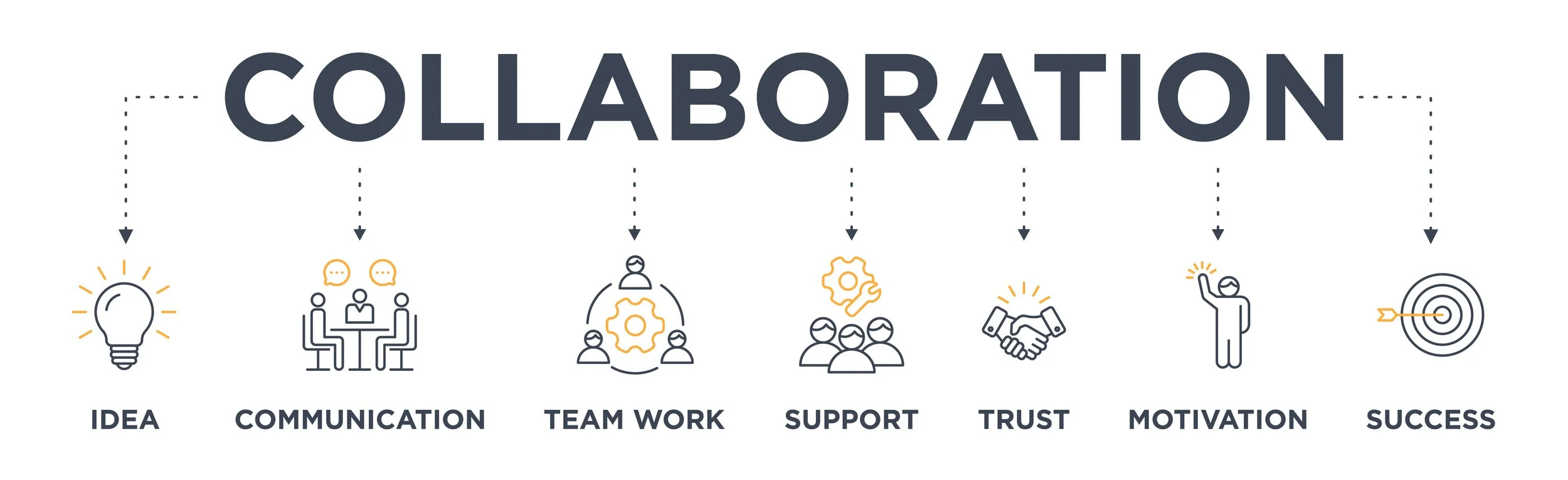
When governments and businesses pull in opposite directions, economies stall. But when they work together? Entire industries can transform overnight.
Think of economic growth like building a bridge. Governments provide the structure and regulations, while businesses bring innovation, capital, and speed. Without both sides working together, the bridge never reaches the other end.
That’s the power of public-private collaboration. In today’s fast-changing global economy—shaped by technological disruption, geopolitical uncertainty, and rising social demands—strong partnerships between governments and businesses are becoming essential for sustainable growth.
In this article, you’ll discover how public-private collaboration drives economic development, the sectors benefiting most, and practical ways organisations can leverage policy-business synergy for long-term success.
1. Why Public-Private Collaboration Matters More Than Ever
No single sector can solve modern economic challenges alone.
From infrastructure gaps to digital transformation and energy security, today’s challenges are too large and complex for governments or businesses to tackle independently.
Public-private partnerships (PPPs) combine the strengths of both:
Governments provide regulation, policy direction, and public investment.
Businesses contribute innovation, operational efficiency, and capital.
According to the World Bank, countries with effective PPP frameworks often deliver infrastructure projects more efficiently and sustainably.
As economist Klaus Schwab notes:
“Public-private cooperation is the key to addressing the world’s most pressing challenges.”
Practical Tip:
Businesses should actively monitor policy developments to identify partnership opportunities early.
2. Infrastructure Development: The Classic Success Story
Roads, ports, and power grids don’t build themselves—and governments can’t fund everything alone.
Infrastructure remains one of the strongest examples of successful public-private collaboration, especially in emerging markets.
Across Africa and other developing regions, PPPs are helping fund:
Renewable energy projects
Transportation networks
Water and sanitation systems
Smart city developments
The African Development Bank estimates Africa requires over $100 billion annually in infrastructure investment.
“Infrastructure is the backbone of economic transformation,” development experts consistently emphasise.
Public-private partnerships help bridge funding gaps while accelerating delivery.
Practical Tip:
Investors should focus on infrastructure sectors aligned with long-term national development plans.
3. Digital Transformation: Governments and Tech Working Together
Digital economies grow fastest when policy and innovation move in sync.
Governments worldwide are partnering with private tech firms to expand digital infrastructure, cybersecurity, fintech, and AI adoption.
In Africa, collaborations between telecom providers, fintech companies, and regulators have accelerated financial inclusion dramatically.
Stat Insight:
Mobile money adoption across Africa has made the continent a global leader in digital payments innovation.
As Microsoft CEO Satya Nadella says:
“Every organisation will need to become a digital company.”
Successful digital transformation requires:
Supportive regulation
Investment incentives
Private sector innovation
Practical Tip:
Businesses should engage policymakers early when launching disruptive technologies.
4. Energy Security and Sustainability: A Shared Responsibility
The transition to clean energy won’t happen through policy or profit alone—it needs both.
Governments are setting climate targets, while businesses are investing in renewable technologies and sustainable infrastructure.
The shift toward green economies is creating massive opportunities in:
Solar and wind energy
Electric mobility
Green hydrogen
Sustainable agriculture
According to the International Energy Agency, global clean energy investment is rising rapidly as governments introduce supportive policies.
“Sustainability is no longer optional—it’s strategic,” business leaders increasingly acknowledge.
Practical Tip:
Align business strategies with national sustainability goals to unlock incentives and funding opportunities.
5. Healthcare Partnerships: Lessons from Global Crises
The world learned one major lesson from recent crises: collaboration saves lives—and economies.
Public-private collaboration became critical during global health emergencies, enabling:
Vaccine development
Supply chain coordination
Digital healthcare expansion
Medical infrastructure investment
Healthcare partnerships continue to expand across Africa, particularly in telemedicine and pharmaceutical manufacturing.
Stat Insight:
Health-focused PPPs are increasing across emerging markets to strengthen healthcare access and resilience.
As Bill Gates famously said:
“Innovation is moving at a scarily fast pace.”
Practical Tip:
Healthcare businesses should partner with governments to address underserved regions and populations.
6. Policy Stability: The Secret Ingredient Investors Look For
Businesses can handle risk—but uncertainty? That’s a different story.
One of the biggest barriers to investment is inconsistent policy. Strong collaboration creates predictability, which boosts investor confidence.
Clear regulatory frameworks encourage:
Long-term investment
Foreign direct investment (FDI)
Innovation
Job creation
According to UNCTAD, policy certainty is a major factor influencing global investment flows.
“Stable policy environments attract sustainable capital,” economists consistently report.
Practical Tip:
Governments should prioritise transparent, long-term economic policies to encourage private sector participation.
7. The Future of Growth: Ecosystems, Not Silos
The future belongs to connected ecosystems—not isolated institutions.
Modern economies thrive when governments, businesses, academia, and communities collaborate as interconnected ecosystems.
This model drives:
Innovation clusters
Startup ecosystems
Skills development
Regional economic growth
Countries embracing collaborative economic ecosystems are seeing faster adaptation to technological and global shifts.
As management thinker Peter Drucker once said:
“The best way to predict the future is to create it.”
Practical Tip:
Organisations should participate in industry councils, innovation hubs, and public policy forums to shape future opportunities.
Conclusion
Public-private collaboration is no longer a “nice-to-have”—it’s a strategic necessity for economic growth in an increasingly complex world.
From infrastructure and healthcare to digital transformation and sustainability, the strongest economies are being built where governments and businesses work together—not apart.
The formula is simple: policy creates direction, business drives execution, and collaboration unlocks growth.
Because when public vision and private innovation align, entire nations move forward faster.
Strategic Diplomacy in Action: How South Africa Can Convert G20 Influence into Real Economic Gains
South Africa’s rising influence in the G20 presents a unique opportunity to convert global diplomacy into real economic impact. This article explores how leaders can leverage global partnerships, climate finance, trade networks, and strategic execution to drive national growth and competitiveness in 2026.
If 2025 was about stepping onto the global stage, 2026 will be about proving South Africa belongs in the front row. The world is watching—now the question is: how do we turn global influence into measurable national progress?
Think of South Africa’s G20 participation as a bridge. On one side lies global cooperation and political clout; on the other sits local economic priorities, jobs, energy security, and competitiveness. The strength of this bridge—how well it’s built and maintained—will determine whether global engagement leads to real domestic transformation.
In this article, we unpack how South Africa can translate diplomatic visibility into tangible economic value, the strategic moves leaders need to prioritise, and the opportunities emerging as global power dynamics shift.
1. Global Influence Isn’t Enough — It Must Convert into Local Advantage
When a country enters global forums like the G20, the spotlight can feel like success. But the real win comes from converting reputation into investment, partnerships, and policy alignment.
Why this matters:
Global recognition does not automatically attract capital. Investors respond to clarity, consistency, and country competitiveness.
➡ Stat: According to UNCTAD, countries that align domestic priorities with global economic agendas see up to 30% faster foreign investment growth.
➡ Quote: “Diplomacy is strategy in slow motion,” says former UN Secretary-General Ban Ki-Moon. “It must link global conversations with national development.”
Practical Tip:
Map which G20 working groups most closely align with South Africa’s priorities—energy, trade, digital, and skills—and focus national resources there.
2. Infrastructure Partnerships: The Fastest Path to Economic Momentum
Global forums open doors to infrastructure finance, climate funds, and multilateral investment—critical for a country still struggling with ports, logistics, and energy constraints.
Why this matters:
Without modern infrastructure, South Africa cannot unlock trade competitiveness or lower the cost of doing business.
➡ Stat: The African Development Bank estimates South Africa needs R411 billion annually in infrastructure investment to remain competitive.
➡ Quote: “Infrastructure is the backbone of economic freedom,” notes economist Mariana Mazzucato.
Practical Tip:
Co-develop investment-ready infrastructure proposals to present at G20 Investment Outreach events.
3. Energy Transition: A G20 Platform for Negotiating Better Deals
South Africa’s energy transition is costly—but the G20 presents opportunities for more favourable financing, technology transfers, and green partnerships.
Why this matters:
A stable, diversified energy system is the single biggest lever for economic growth.
➡ Stat: Power disruptions have reduced South Africa’s GDP growth potential by 2–3% annually.
➡ Quote: “Energy is the currency of modern economies,” says Fatih Birol, Executive Director of the IEA.
Practical Tip:
Prioritise G20 climate finance mechanisms that support both renewable expansion and grid modernisation—not just generation.
4. SME Development: Using Global Playbooks to Grow Local Champions
Big summits often focus on macroeconomics—but the real leverage lies in empowering SMEs to scale, digitise, and access new markets.
Why this matters:
SMEs contribute over 60% of employment but struggle with access to capital and global market reach.
➡ Stat: World Bank data shows SMEs integrated into global supply chains grow revenues 20–30% faster.
➡ Quote: “Small businesses are the world’s most powerful engines of inclusive growth,” says Indra Nooyi.
Practical Tip:
Adopt G20’s SME digitalisation frameworks to modernise South Africa’s SME ecosystem.

5. Leadership Capacity: Turning Diplomacy into Execution
Government leaders, SOEs, and corporate executives must work in sync—otherwise global commitments break down during implementation.
Why this matters:
National competitiveness depends on aligned priorities, fast decision-making, and a professional, capable public sector.
➡ Stat: Countries with high-quality public sector leadership experience 2x faster socioeconomic reform cycles (OECD).
➡ Quote: “Execution is where strategy goes to live or die,” notes management thinker Larry Bossidy.
Practical Tip:
Create joint task teams to convert G20 commitments into actionable national programmes.
6. Trade Expansion: Using G20 Networks to Open African and Global Markets
South Africa can use G20 diplomatic platforms to expand trade corridors, diversify exports, and secure markets for key sectors.
Why this matters:
A more competitive export mix reduces economic vulnerability.
➡ Stat: Diversified export economies experience 50% lower earnings volatility.
➡ Quote: “Trade is the ultimate equaliser,” says WTO Director-General Ngozi Okonjo-Iweala.
Practical Tip:
Use G20 bilateral forums to negotiate long-term trade access for manufacturing, agriculture, energy components, and services.
Conclusion: Turning Momentum into Measurable Impact
South Africa’s G20 elevation is more than symbolism—it’s a strategic moment. But global engagement only matters when it leads to local transformation: better energy security, competitive industries, stronger institutions, and more opportunities for citizens.
The next chapter isn’t about global presence—it’s about strategic conversion.
South Africa now has a seat at one of the world’s most powerful tables. The leaders who succeed will be the ones who use that seat not for prestige, but for progress.