

The Future of Leadership in Africa: Trends, Risks, and Opportunities
Explore the future of leadership in Africa, including key trends, risks, and opportunities shaping business, innovation, sustainability, and economic growth.

Africa’s next generation of leaders won’t just shape companies—they’ll shape the future of one of the world’s fastest-growing and most influential regions.
Leadership in Africa today is a bit like steering a ship through changing tides. The continent is full of momentum—rapid urbanisation, technological growth, youthful energy, and expanding markets—but the waters are also unpredictable, shaped by geopolitical tensions, economic pressures, and climate risks.
The leaders who thrive won’t simply react to change. They’ll anticipate it, adapt to it, and use it as fuel for innovation and growth.
In this article, we explore the future of leadership in Africa, including the major trends shaping the continent, the risks leaders must navigate, and the opportunities that could redefine Africa’s economic and social trajectory.
1. The Rise of Purpose-Driven Leadership
Profit alone is no longer enough—people want leaders who stand for something bigger.
Across Africa, employees, consumers, and investors increasingly expect leaders to address social impact, sustainability, and inclusion alongside financial performance.
Purpose-driven leadership is becoming a competitive advantage, particularly among younger generations who prioritise ethical business practices.
According to Deloitte research, purpose-oriented organisations tend to experience stronger employee engagement and long-term loyalty.
As Nelson Mandela once said:
“What counts in life is not the mere fact that we have lived. It is what difference we have made to the lives of others.”
African leaders are increasingly expected to balance:
Economic growth
Social development
Environmental sustainability
Ethical governance
Practical Tip:
Embed purpose into organisational strategy—not just branding or CSR campaigns.
2. Technology and Digital Transformation Will Redefine Leadership
The leaders of tomorrow won’t just manage people—they’ll manage ecosystems powered by technology.
Africa’s digital economy is expanding rapidly, driven by fintech, AI, mobile connectivity, and e-commerce.
Leaders must now understand:
Digital innovation
Data-driven decision-making
Cybersecurity risks
AI adoption
Remote workforce management
Africa already leads the world in mobile money innovation, and digital transformation is reshaping industries from agriculture to healthcare.
As Satya Nadella says:
“Every company is a software company.”
The future African leader must combine technological fluency with human-centred leadership.
Practical Tip:
Continuously upskill leadership teams in digital strategy and emerging technologies.
3. Africa’s Youth Dividend: Opportunity or Pressure Point?
Africa’s greatest asset could also become its biggest challenge.
By 2050, Africa is projected to have the world’s youngest and fastest-growing workforce. This presents enormous economic potential—but only if leaders can create opportunities fast enough.
Youth unemployment remains one of the continent’s biggest risks.
According to the African Development Bank, millions of young Africans enter the labour market every year, intensifying the need for entrepreneurship, innovation, and job creation.
“The future of Africa lies in its youth,” policymakers repeatedly emphasise.
Leaders who invest in:
Skills development
Entrepreneurship ecosystems
Education reform
Innovation hubs
will shape the continent’s next growth chapter.
Practical Tip:
Develop leadership pipelines that actively nurture young talent and entrepreneurs.
4. Geopolitical Uncertainty and Economic Resilience
Global shocks don’t stay global anymore—they hit local businesses fast.
Events like the Iran war, supply chain disruptions, and rising energy costs are reshaping Africa’s economic environment.
Leaders must navigate:
Currency volatility
Inflation
Trade disruptions
Commodity price swings
Global political tensions
The World Bank has warned that prolonged geopolitical instability could slow growth across emerging markets.
Resilient leadership now requires agility, scenario planning, and regional diversification.
As management expert Peter Drucker famously noted:
“The greatest danger in times of turbulence is not the turbulence—it is to act with yesterday’s logic.”
Practical Tip:
Build flexible business models that can adapt quickly to global disruptions.

5. Inclusive Leadership Will Define Organisational Success
The best leaders of the future won’t lead from above—they’ll lead across differences.
Africa’s diversity is one of its greatest strengths. Inclusive leadership is becoming essential for innovation, collaboration, and social cohesion.
Research from Gestaldt consistently shows that diverse leadership teams outperform less diverse peers financially.
Inclusive leaders foster:
Psychological safety
Collaboration
Representation
Cross-cultural understanding
As Verna Myers famously said:
“Diversity is being invited to the party; inclusion is being asked to dance.”
Practical Tip:
Prioritise diversity and inclusion as core business strategies, not compliance exercises.
6. Climate Leadership and Sustainability Will Become Central
The climate conversation is no longer environmental—it’s economic.
Africa is highly vulnerable to climate change despite contributing minimally to global emissions.
Future leaders must address:
Water scarcity
Food security
Renewable energy
Climate resilience
Sustainable infrastructure
At the same time, the green economy presents enormous growth opportunities.
The International Renewable Energy Agency (IRENA) highlights Africa’s massive renewable energy potential, particularly in solar power.
“Sustainability is becoming the defining business challenge of our era.”
Leaders who embrace green innovation early will gain strategic advantages.
Practical Tip:
Integrate sustainability goals directly into long-term business planning.
7. Collaboration Will Replace Traditional Hierarchies
The era of command-and-control leadership is fading fast.
Future leadership in Africa will rely more on partnerships, networks, and ecosystem thinking.
This includes collaboration between:
Governments
Private sector organisations
Startups
Communities
International partners
Public-private collaboration is already accelerating infrastructure, fintech, and innovation ecosystems across the continent.
Modern leaders must become facilitators, connectors, and relationship-builders.
As leadership expert Simon Sinek says:
“Leadership is not about being in charge. It is about taking care of those in your charge.”
Practical Tip:
Invest in strategic partnerships that strengthen innovation and resilience.
Conclusion
The future of leadership in Africa will be shaped by complexity—but also by extraordinary opportunity.
From digital transformation and youth-driven innovation to sustainability and geopolitical resilience, the next generation of African leaders must think beyond traditional management models.
The leaders who succeed will be adaptable, inclusive, technologically fluent, and purpose-driven. They won’t just react to change—they’ll help shape the future itself.
Because Africa’s future won’t be determined by its challenges alone. It will be determined by the leaders bold enough to turn those challenges into opportunities.

Public-Private Collaboration: Using Policy and Business Synergy for Growth
Discover how public-private collaboration drives economic growth through policy and business synergy across infrastructure, technology, sustainability, and healthcare.

When governments and businesses pull in opposite directions, economies stall. But when they work together? Entire industries can transform overnight.
Think of economic growth like building a bridge. Governments provide the structure and regulations, while businesses bring innovation, capital, and speed. Without both sides working together, the bridge never reaches the other end.
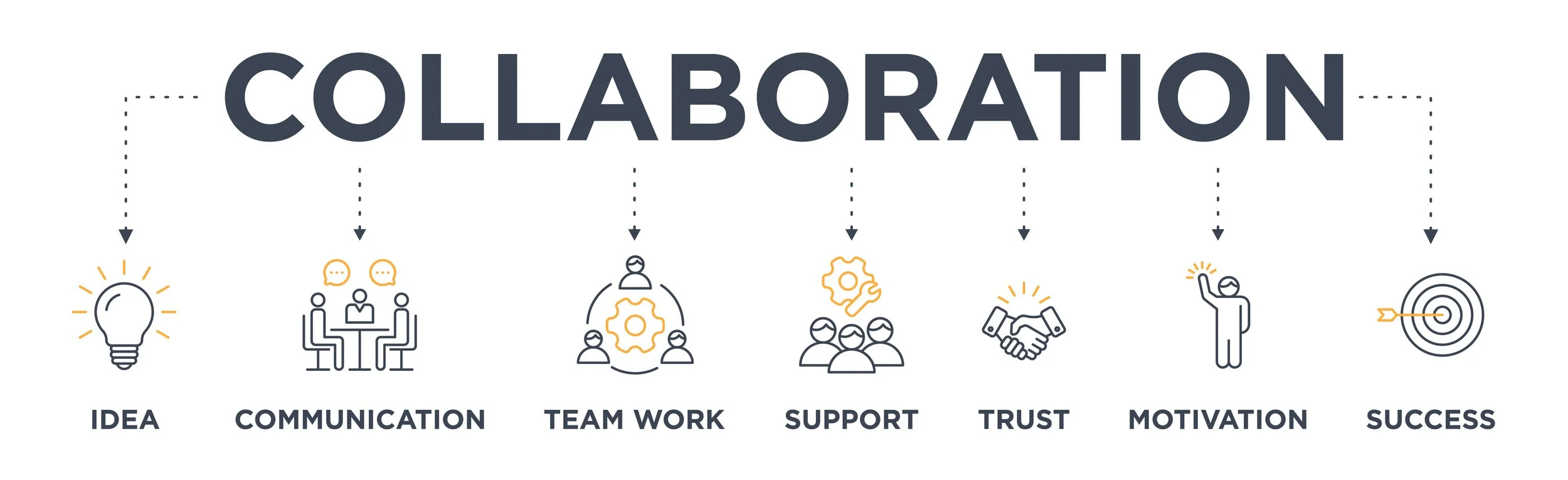
That’s the power of public-private collaboration. In today’s fast-changing global economy—shaped by technological disruption, geopolitical uncertainty, and rising social demands—strong partnerships between governments and businesses are becoming essential for sustainable growth.
In this article, you’ll discover how public-private collaboration drives economic development, the sectors benefiting most, and practical ways organisations can leverage policy-business synergy for long-term success.
1. Why Public-Private Collaboration Matters More Than Ever
No single sector can solve modern economic challenges alone.
From infrastructure gaps to digital transformation and energy security, today’s challenges are too large and complex for governments or businesses to tackle independently.
Public-private partnerships (PPPs) combine the strengths of both:
Governments provide regulation, policy direction, and public investment.
Businesses contribute innovation, operational efficiency, and capital.
According to the World Bank, countries with effective PPP frameworks often deliver infrastructure projects more efficiently and sustainably.
As economist Klaus Schwab notes:
“Public-private cooperation is the key to addressing the world’s most pressing challenges.”
Practical Tip:
Businesses should actively monitor policy developments to identify partnership opportunities early.
2. Infrastructure Development: The Classic Success Story
Roads, ports, and power grids don’t build themselves—and governments can’t fund everything alone.
Infrastructure remains one of the strongest examples of successful public-private collaboration, especially in emerging markets.
Across Africa and other developing regions, PPPs are helping fund:
Renewable energy projects
Transportation networks
Water and sanitation systems
Smart city developments
The African Development Bank estimates Africa requires over $100 billion annually in infrastructure investment.
“Infrastructure is the backbone of economic transformation,” development experts consistently emphasise.
Public-private partnerships help bridge funding gaps while accelerating delivery.
Practical Tip:
Investors should focus on infrastructure sectors aligned with long-term national development plans.
3. Digital Transformation: Governments and Tech Working Together
Digital economies grow fastest when policy and innovation move in sync.
Governments worldwide are partnering with private tech firms to expand digital infrastructure, cybersecurity, fintech, and AI adoption.
In Africa, collaborations between telecom providers, fintech companies, and regulators have accelerated financial inclusion dramatically.
Stat Insight:
Mobile money adoption across Africa has made the continent a global leader in digital payments innovation.
As Microsoft CEO Satya Nadella says:
“Every organisation will need to become a digital company.”
Successful digital transformation requires:
Supportive regulation
Investment incentives
Private sector innovation
Practical Tip:
Businesses should engage policymakers early when launching disruptive technologies.
4. Energy Security and Sustainability: A Shared Responsibility
The transition to clean energy won’t happen through policy or profit alone—it needs both.
Governments are setting climate targets, while businesses are investing in renewable technologies and sustainable infrastructure.
The shift toward green economies is creating massive opportunities in:
Solar and wind energy
Electric mobility
Green hydrogen
Sustainable agriculture
According to the International Energy Agency, global clean energy investment is rising rapidly as governments introduce supportive policies.
“Sustainability is no longer optional—it’s strategic,” business leaders increasingly acknowledge.
Practical Tip:
Align business strategies with national sustainability goals to unlock incentives and funding opportunities.
5. Healthcare Partnerships: Lessons from Global Crises
The world learned one major lesson from recent crises: collaboration saves lives—and economies.
Public-private collaboration became critical during global health emergencies, enabling:
Vaccine development
Supply chain coordination
Digital healthcare expansion
Medical infrastructure investment
Healthcare partnerships continue to expand across Africa, particularly in telemedicine and pharmaceutical manufacturing.
Stat Insight:
Health-focused PPPs are increasing across emerging markets to strengthen healthcare access and resilience.
As Bill Gates famously said:
“Innovation is moving at a scarily fast pace.”
Practical Tip:
Healthcare businesses should partner with governments to address underserved regions and populations.
6. Policy Stability: The Secret Ingredient Investors Look For
Businesses can handle risk—but uncertainty? That’s a different story.
One of the biggest barriers to investment is inconsistent policy. Strong collaboration creates predictability, which boosts investor confidence.
Clear regulatory frameworks encourage:
Long-term investment
Foreign direct investment (FDI)
Innovation
Job creation
According to UNCTAD, policy certainty is a major factor influencing global investment flows.
“Stable policy environments attract sustainable capital,” economists consistently report.
Practical Tip:
Governments should prioritise transparent, long-term economic policies to encourage private sector participation.
7. The Future of Growth: Ecosystems, Not Silos
The future belongs to connected ecosystems—not isolated institutions.
Modern economies thrive when governments, businesses, academia, and communities collaborate as interconnected ecosystems.
This model drives:
Innovation clusters
Startup ecosystems
Skills development
Regional economic growth
Countries embracing collaborative economic ecosystems are seeing faster adaptation to technological and global shifts.
As management thinker Peter Drucker once said:
“The best way to predict the future is to create it.”
Practical Tip:
Organisations should participate in industry councils, innovation hubs, and public policy forums to shape future opportunities.
Conclusion
Public-private collaboration is no longer a “nice-to-have”—it’s a strategic necessity for economic growth in an increasingly complex world.
From infrastructure and healthcare to digital transformation and sustainability, the strongest economies are being built where governments and businesses work together—not apart.
The formula is simple: policy creates direction, business drives execution, and collaboration unlocks growth.
Because when public vision and private innovation align, entire nations move forward faster.