

South Africa & Africa 2026: Opportunities in Regional Trade and AfCFTA
AfCFTA is reshaping Africa’s trade landscape. Explore the biggest regional trade opportunities for South African businesses in 2026 — from manufacturing and services to logistics, SMEs, and cross-border growth strategies.

As global trade fragments and traditional supply chains weaken, Africa is quietly positioning itself for a new era of regional growth. At the centre of this shift stands the African Continental Free Trade Area (AfCFTA) — one of the most ambitious trade agreements in the world.
For South African leaders, 2026 represents a pivotal moment. AfCFTA is no longer theoretical; it is moving into an execution phase. The question is no longer whether opportunities exist, but who is ready to capture them.
This article explores the most significant regional trade opportunities emerging across Africa, what AfCFTA means in practice for South African businesses, and how executives can position their organisations to benefit from deeper continental integration.
Why AfCFTA Matters More Than Ever in 2026
AfCFTA brings together 54 African countries, creating a single market of over 1.4 billion people with a combined GDP exceeding US$3.4 trillion. By reducing tariffs, harmonising regulations, and simplifying cross-border trade, AfCFTA aims to boost intra-African trade by more than 50% over the next decade.
For South Africa — already one of the continent’s most industrialised economies — AfCFTA offers a strategic platform to:
Expand exports beyond traditional markets
Diversify supply chains
Strengthen regional manufacturing hubs
Reduce dependence on volatile global trade routes
In a world of rising protectionism, regional trade resilience is fast becoming a competitive advantage.
Key Regional Trade Opportunities for South African Businesses
1. Manufacturing and Value-Added Exports
One of AfCFTA’s biggest opportunities lies in shifting Africa from exporting raw materials to producing value-added goods. South Africa’s manufacturing base positions it well to supply:
Automotive components
Machinery and equipment
Processed foods and agro-products
Chemicals and pharmaceuticals
As tariffs fall, regional markets become more accessible — particularly in East and West Africa, where demand for manufactured goods is rising.
Strategic Insight: Firms that localise production or partner with regional distributors will outperform pure export models.
2. Intra-African Services Trade
Trade is not just about goods. AfCFTA also opens opportunities in services, including:
Financial services
Professional and consulting services
Logistics and supply chain management
South African firms with strong expertise in banking, insurance, engineering, and business services can scale rapidly across borders as regulatory barriers ease.
3. Regional Infrastructure and Logistics
Infrastructure remains one of Africa’s biggest growth constraints — and one of its largest opportunities. AfCFTA is accelerating investment in:
Transport corridors
Ports and rail networks
Energy infrastructure
Cross-border logistics platforms
South African construction, engineering, and logistics firms are well positioned to participate in large-scale regional projects, particularly through public-private partnerships.
4. Agriculture and Agro-Processing
Agriculture sits at the heart of AfCFTA’s development goals. Reduced tariffs and harmonised standards make it easier for South African agribusinesses to access new markets for:
Processed foods
Agricultural inputs
Cold-chain and logistics services
As food security becomes a continental priority, regional trade in agricultural goods is expected to accelerate significantly by 2026.
5. SMEs and Regional Market Entry
AfCFTA is not just for large corporates. In fact, SMEs stand to gain the most — provided they are supported with the right capabilities.
Digital trade platforms, improved customs processes, and regional e-commerce are lowering entry barriers for smaller firms. South African SMEs that embrace regional expansion early can build first-mover advantage.

Challenges Leaders Must Navigate
While the opportunities are significant, execution remains complex. Leaders must be prepared to manage:
Regulatory inconsistencies between countries
Infrastructure gaps
Currency and payment risks
Skills and capability shortages
AfCFTA success will depend on strategic patience, strong partnerships, and regional intelligence — not quick wins.
Strategic Priorities for South African Executives in 2026
To unlock AfCFTA value, leaders should focus on:
Regional market prioritisation — not all countries offer equal opportunity
Local partnerships to navigate regulatory and cultural complexity
Supply chain diversification within Africa
Digital enablement of trade, logistics, and payments
Talent development with continental experience
Conclusion
AfCFTA represents one of the most powerful growth levers available to South African businesses in the coming decade. By 2026, the organisations that succeed will be those that move beyond awareness into action — investing in regional capabilities, building partnerships, and embedding Africa into their long-term strategy.
In a fragmented global economy, Africa’s greatest strength may be its ability to trade with itself. For South African leaders, the future of growth is increasingly regional — and the window to lead is now.

G20 Summit 2025: What South Africa’s Role Means for Global Influence and Local Growth
South Africa’s influential role at the G20 Summit marks a pivotal moment for shaping global policy, attracting investment, and advancing Africa’s economic agenda. This article explores how the summit’s outcomes will affect South African businesses, trade, climate financing, digital transformation, and strategic priorities heading into 2026.
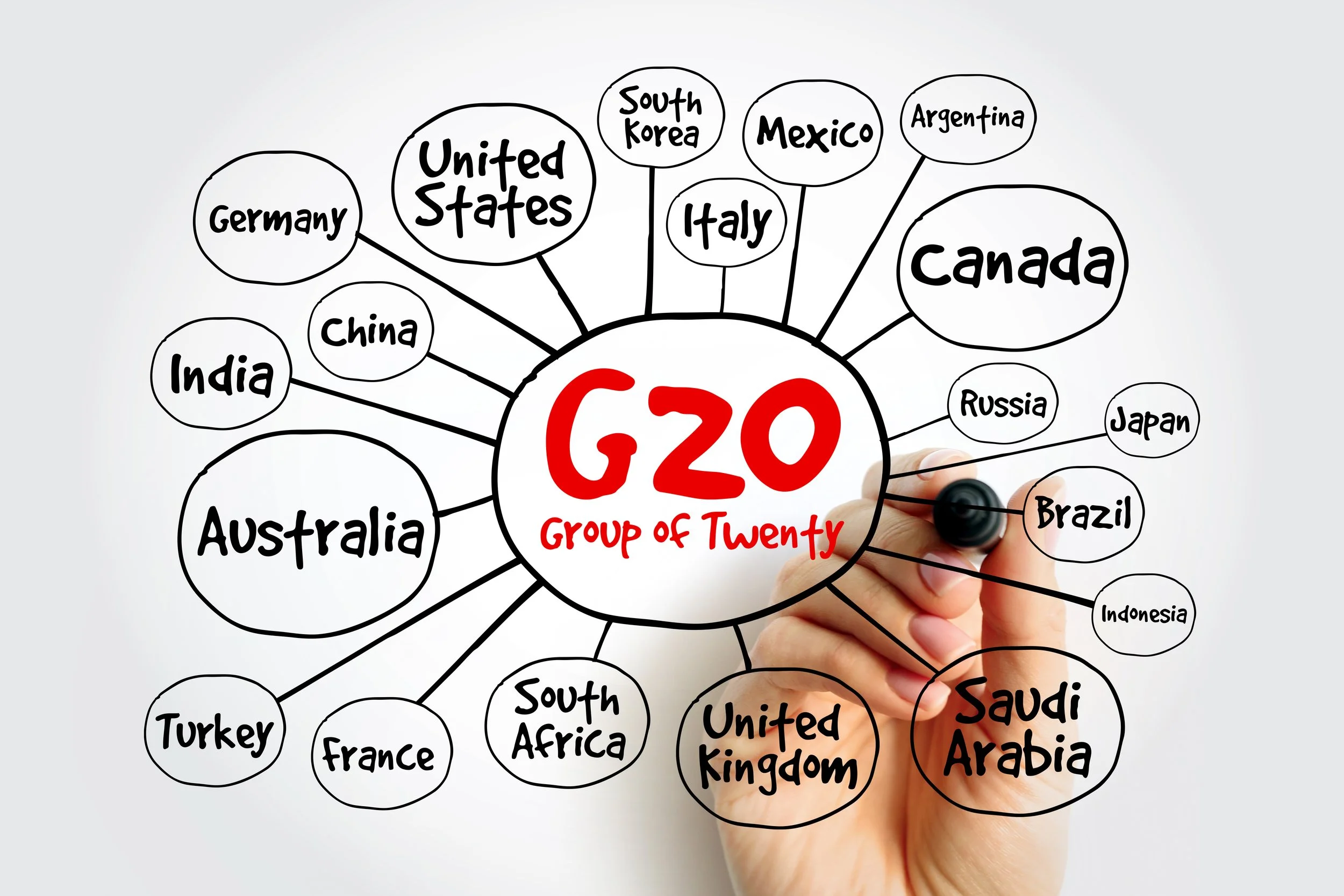
If global diplomacy were a high-stakes chessboard, the G20 Summit would be the table where the world’s biggest players gather to make their next move. And with South Africa stepping into one of its most influential leadership moments, the country is no longer just reacting to global shifts — it’s helping shape them.
Think of the G20 like a massive control room of the global economy, where every lever pulled affects jobs, investment flows, climate policy, and innovation across the world. South Africa’s presence in that room matters more than ever — not just for symbolism, but for real economic and geopolitical impact.
In this article, you’ll learn:
How South Africa’s G20 position strengthens its international influence
What this means for local businesses, markets, and investors
The key policy themes shaping the global agenda
How leaders can prepare for post-summit shifts
And the strategic opportunities South Africans must not ignore
Let’s dive in.
1. A Seat at the Power Table: Why South Africa’s G20 Role Matters More Than Ever
Ever feel like you’re watching a meeting where decisions are being made about you but not with you? The G20 summit flips that script for South Africa.
As the only African representative in the G20, South Africa carries a continental mandate — amplifying African priorities on infrastructure, climate finance, industrialisation, and fair trade.
Why this matters:
South Africa influences the policies of economies representing more than 85% of global GDP, 75% of world trade, and two-thirds of the global population.
Quote:
“Africa must be a maker of global decisions, not a passive recipient of them,” says Dr. Ngozi Okonjo-Iweala, WTO Director-General.
Practical Tip:
Local businesses should track G20 communiqués and policy agreements—they’re often precursors to regulatory and trade shifts months before they hit local markets.
2. The Economic Ripple Effect: How G20 Outcomes Shape South Africa’s Market Landscape
If you drop a stone in an ocean, the ripple seems small — until it finally reaches the shore. That’s exactly how global policy decisions reach South Africa’s economy.
G20 outcomes influence:
Interest rate trends
Investment flows and risk appetite
Energy transition funding
Digital trade agreements
Supply chain resilience
Data to note:
Global FDI flows to Africa increased by 15% in 2024, largely driven by improved global–Africa partnerships and green transition financing.
Practical Tip:
Businesses should monitor global commodity strategies discussed at G20—especially those tied to minerals critical for renewable energy.
3. Climate Commitments and the Green Industrial Push
Climate policy is no longer just an environmental issue — it’s an economic race. And the G20 sets the rules of that race.
South Africa’s Just Energy Transition Partnership (JETP) receives renewed global attention and funding at every G20 summit, reinforcing commitments to:
Renewable infrastructure
Carbon reduction
Green manufacturing
Skills development for new industries
Quote:
“The energy transition is Africa’s greatest economic opportunity.” — Fatih Birol, IEA Executive Director
Practical Tip:
Executives should explore green financing instruments emerging through G20 channels — concessional loans, blended finance, and public–private partnerships.
4. Digital Transformation: A Priority South Africa Can’t Afford to Miss
In a world where data is the new gold, digital policy becomes a matter of competitive survival.
G20 members are driving agendas on:
AI governance
Digital tax frameworks
Cross-border digital trade
Cybersecurity standards
For South Africa, this creates opportunities for:
Scaling digital SMEs
Improving digital skills
Attracting global tech investment
Interoperability of financial systems
Statistic:
Digital trade is growing three times faster than physical trade globally.
Practical Tip:
Businesses should prioritise AI readiness, as G20 countries increasingly define rules shaping global digital markets.

5. Re-shaping Global Trade: What South African Exporters Should Expect
Every G20 summit influences tariff negotiations, trade agreements, and market access. South Africa leverages this platform to push for fair trade conditions for:
Agriculture
Automotive
Metals and minerals
Pharmaceuticals
Renewable energy value chains
Quote:
“Trade must enable development, not deepen inequality,” says President Cyril Ramaphosa.
Practical Tip:
Exporters should focus on compliance with global sustainability standards, which are fast becoming entry tickets into G20 markets.
6. Strengthening Africa’s Global Voice Through South Africa
South Africa’s G20 voice extends beyond national interests. It represents:
AfCFTA integration
Continental infrastructure
Africa’s financial system reform
Debt sustainability
Youth employment and education alliances
This transforms SA’s positioning from a participant to a continental connector.
Statistic:
AfCFTA could boost intra-African trade by 52% by 2035, according to the World Bank.
Practical Tip:
African-focused companies should align strategies with cross-border reforms accelerated through G20 diplomatic commitments.
7. How Business Leaders Can Prepare for the Post-G20 Landscape
A summit is only powerful if its outcomes are acted on. Leaders should prepare by:
Building scenario plans based on policy shifts
Monitoring trade and digital policy updates
Enhancing ESG reporting
Exploring G20-aligned funding opportunities
Strengthening organisational agility and foresight
The organisations that gain the most are those that connect global signals to local strategy.
Quote:
“Strategic foresight is not predicting the future — it’s preparing for it,” says futurist Amy Webb.
Conclusion: A Moment of Global Influence South Africa Must Leverage
South Africa’s engagement in the G20 is more than diplomatic symbolism — it’s a strategic position with real economic consequences. From climate financing to digital trade, energy security to global investment trends, the G20 provides South Africa with both a voice and an opportunity.
As we move into 2026, the leaders who will thrive are those who can:
Decode global shifts
Integrate policy signals into strategy
Move with agility
And compete with confidence in an interconnected world
South Africa isn’t just watching the world’s future unfold — it’s helping design it.