

South Africa & Africa 2026: Opportunities in Regional Trade and AfCFTA
AfCFTA is reshaping Africa’s trade landscape. Explore the biggest regional trade opportunities for South African businesses in 2026 — from manufacturing and services to logistics, SMEs, and cross-border growth strategies.

As global trade fragments and traditional supply chains weaken, Africa is quietly positioning itself for a new era of regional growth. At the centre of this shift stands the African Continental Free Trade Area (AfCFTA) — one of the most ambitious trade agreements in the world.
For South African leaders, 2026 represents a pivotal moment. AfCFTA is no longer theoretical; it is moving into an execution phase. The question is no longer whether opportunities exist, but who is ready to capture them.
This article explores the most significant regional trade opportunities emerging across Africa, what AfCFTA means in practice for South African businesses, and how executives can position their organisations to benefit from deeper continental integration.
Why AfCFTA Matters More Than Ever in 2026
AfCFTA brings together 54 African countries, creating a single market of over 1.4 billion people with a combined GDP exceeding US$3.4 trillion. By reducing tariffs, harmonising regulations, and simplifying cross-border trade, AfCFTA aims to boost intra-African trade by more than 50% over the next decade.
For South Africa — already one of the continent’s most industrialised economies — AfCFTA offers a strategic platform to:
Expand exports beyond traditional markets
Diversify supply chains
Strengthen regional manufacturing hubs
Reduce dependence on volatile global trade routes
In a world of rising protectionism, regional trade resilience is fast becoming a competitive advantage.
Key Regional Trade Opportunities for South African Businesses
1. Manufacturing and Value-Added Exports
One of AfCFTA’s biggest opportunities lies in shifting Africa from exporting raw materials to producing value-added goods. South Africa’s manufacturing base positions it well to supply:
Automotive components
Machinery and equipment
Processed foods and agro-products
Chemicals and pharmaceuticals
As tariffs fall, regional markets become more accessible — particularly in East and West Africa, where demand for manufactured goods is rising.
Strategic Insight: Firms that localise production or partner with regional distributors will outperform pure export models.
2. Intra-African Services Trade
Trade is not just about goods. AfCFTA also opens opportunities in services, including:
Financial services
Professional and consulting services
Logistics and supply chain management
South African firms with strong expertise in banking, insurance, engineering, and business services can scale rapidly across borders as regulatory barriers ease.
3. Regional Infrastructure and Logistics
Infrastructure remains one of Africa’s biggest growth constraints — and one of its largest opportunities. AfCFTA is accelerating investment in:
Transport corridors
Ports and rail networks
Energy infrastructure
Cross-border logistics platforms
South African construction, engineering, and logistics firms are well positioned to participate in large-scale regional projects, particularly through public-private partnerships.
4. Agriculture and Agro-Processing
Agriculture sits at the heart of AfCFTA’s development goals. Reduced tariffs and harmonised standards make it easier for South African agribusinesses to access new markets for:
Processed foods
Agricultural inputs
Cold-chain and logistics services
As food security becomes a continental priority, regional trade in agricultural goods is expected to accelerate significantly by 2026.
5. SMEs and Regional Market Entry
AfCFTA is not just for large corporates. In fact, SMEs stand to gain the most — provided they are supported with the right capabilities.
Digital trade platforms, improved customs processes, and regional e-commerce are lowering entry barriers for smaller firms. South African SMEs that embrace regional expansion early can build first-mover advantage.

Challenges Leaders Must Navigate
While the opportunities are significant, execution remains complex. Leaders must be prepared to manage:
Regulatory inconsistencies between countries
Infrastructure gaps
Currency and payment risks
Skills and capability shortages
AfCFTA success will depend on strategic patience, strong partnerships, and regional intelligence — not quick wins.
Strategic Priorities for South African Executives in 2026
To unlock AfCFTA value, leaders should focus on:
Regional market prioritisation — not all countries offer equal opportunity
Local partnerships to navigate regulatory and cultural complexity
Supply chain diversification within Africa
Digital enablement of trade, logistics, and payments
Talent development with continental experience
Conclusion
AfCFTA represents one of the most powerful growth levers available to South African businesses in the coming decade. By 2026, the organisations that succeed will be those that move beyond awareness into action — investing in regional capabilities, building partnerships, and embedding Africa into their long-term strategy.
In a fragmented global economy, Africa’s greatest strength may be its ability to trade with itself. For South African leaders, the future of growth is increasingly regional — and the window to lead is now.

Digital Transformation in South Africa: What Leaders Should Prioritise in 2026
South African organisations face rapid digital disruption. Discover the key digital priorities leaders must focus on in 2026 — from data strategy and AI to talent, cybersecurity, and customer experience — to drive resilience, competitiveness, and long-term growth.

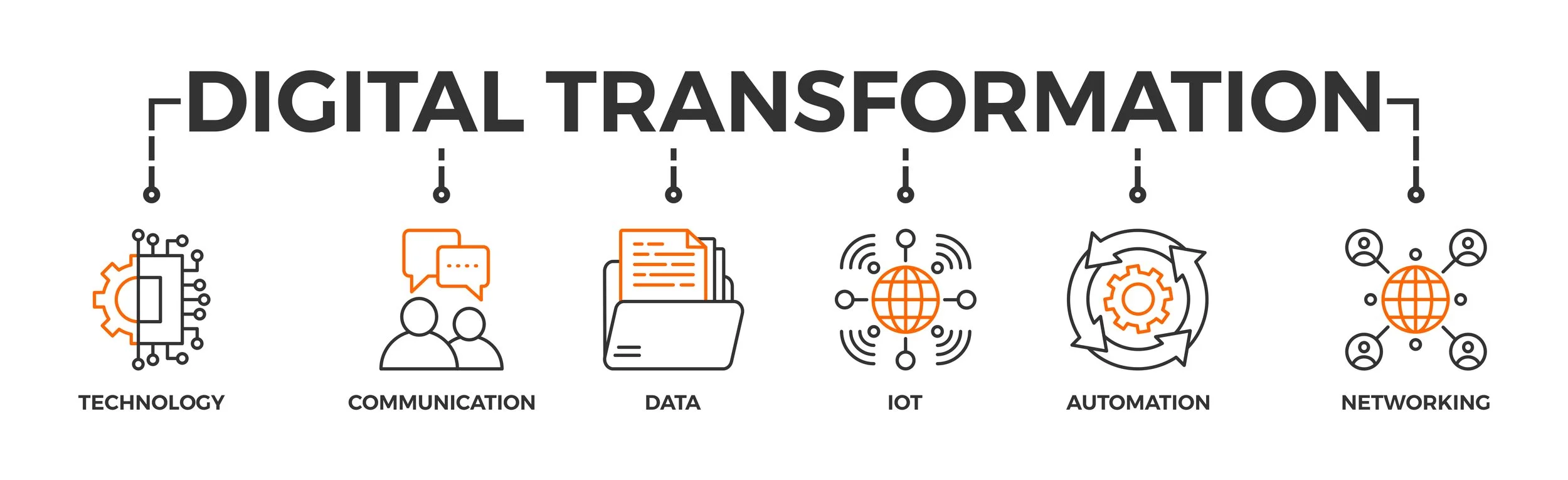
Digital transformation is no longer a long-term ambition — it’s the engine powering competitive advantage. And in South Africa, where economic pressure meets rapid technological change, the organisations that prioritise the right digital capabilities in 2026 will be the ones that accelerate past their competitors.
Think of South Africa’s digital landscape like an evolving ecosystem — adaptable species thrive, rigid ones disappear. The organisations that survive 2026 and beyond will be those that evolve quickly, build digital muscle, and rewire their operations for speed, intelligence, and resilience.
In this article, leaders will learn the top digital priorities to focus on in 2026 — from AI adoption and data strategy to talent transformation and cybersecurity — and how to build a digital roadmap that drives real value.
1. Build an Enterprise-Wide Data Strategy (Not Just Tools)
Data is the foundation of digital transformation — but many organisations treat it as a technology problem rather than a strategic capability.
South African leaders need an enterprise-wide view of data: where it lives, how it’s collected, how it flows, and how it supports decision-making. Gestaldt Consultants report that companies that integrate data across functions are 25% more likely to outperform in profitability.
As Satya Nadella puts it: “Every company is a software company. You have to start thinking and operating like a digital company.”
Practical Tip: Build a data governance framework with clear ownership, quality standards, and value outcomes.
2. Prioritise AI and Intelligent Automation for Efficiency Gains
AI adoption is accelerating in South Africa, and 2026 will be the year leaders move from experimentation to execution.
From customer service automation to predictive analytics, AI is becoming the backbone of cost efficiency and faster decision cycles. According to Gestaldt Management Consultants, AI could contribute up to R1.5 trillion to South Africa’s economy by 2030, making it one of the biggest growth levers.
Practical Tip: Start by automating one high-volume workflow — billing, supply chain updates, customer insights, or HR.
3. Build Digital Skills Through People-Centred Transformation
Technology means nothing without people who can use it confidently. South African organisations continue to face talent shortages in digital capabilities — cloud engineering, data science, cybersecurity, and digital product management.
Gestaldt IT Consultants note that companies investing in up-skilling are 2.8 times more likely to succeed in digital transformation.
Practical Tip: Launch a 3–6 month digital capability uplift program focused on data literacy, automation, and digital leadership.
4. Strengthen Cybersecurity and Digital Trust
As digital adoption grows, cyberattacks are increasing across Africa — with South Africa now ranking among the top three most targeted countries on the continent.
Leaders must focus on cybersecurity as a strategic priority, not just an IT cost. This includes cyber hygiene, employee awareness, risk assessments, and incident readiness.
Practical Tip: Conduct quarterly cybersecurity simulations and implement zero-trust security architecture.
5. Modernise Legacy Systems to Enable Speed and Integration
Outdated systems slow down decision-making, block innovation, and make organisations vulnerable. In 2026, modernisation will shift from optional to urgent.
Companies with modern cloud-based architecture report up to 45% faster product rollout cycles, according to Gartner.
Practical Tip: Start with a system architecture review, prioritising high-friction processes and legacy bottlenecks.
6. Create Seamless Digital Customer Experiences
South African consumers expect fast, personalised, omnichannel digital experiences — and businesses that deliver them gain the competitive edge.
A Salesforce report notes that 73% of customers expect companies to understand their needs. Leaders must rethink their customer journeys through digital-first experiences.
Practical Tip: Map your customer journey and identify digital touch-points that reduce friction and increase loyalty.
7. Use Digital Transformation to Unlock Growth and New Business Models
Digital transformation is not just about efficiency — it’s a growth engine. Leaders who embrace digital innovation unlock new revenue streams, business lines, and markets.
Innovation becomes more than a project — it becomes a capability.
Practical Tip: Run quarterly innovation sprints where teams solve real operational or customer challenges using digital solutions.
Conclusion
Digital transformation in South Africa is accelerating, and leaders who act decisively in 2026 will define the next decade of competitiveness. By prioritising data mastery, AI adoption, digital talent, cybersecurity, and modernisation, organisations can unlock agility and resilience in a rapidly evolving market.
The future belongs to companies that embrace digital change with purpose, clarity, and speed. In 2026, transformation won’t be about keeping up — it will be about taking the lead.

Macroeconomic Outlook 2026–2027: What South African Executives Should Watch
South Africa’s macroeconomic outlook for 2026–2027 reveals volatility and opportunity. Here’s what executives must watch to stay competitive and resilient.

As South Africa approaches 2026, leaders face a global environment shaped by slowing growth, shifting trade dynamics, persistent inflation pressures, and increased geopolitical volatility. For executives, understanding the macroeconomic forces shaping the next two years is essential to making informed decisions on investment, risk management, talent, and long-term competitiveness.
This article outlines the key macroeconomic indicators and global trends South African business leaders should monitor — and how those insights can inform strategic planning in 2026–2027.
1. Global Growth Will Remain Uneven
While the global economy is expected to stabilise, growth will remain uneven across regions. Advanced economies face structural slowdowns driven by high interest rates, aging labour forces and tightening fiscal conditions. In contrast, several emerging markets — especially in Africa and Asia — are positioned for moderate recovery.
What this means for South African executives:
Export-focused industries must diversify beyond traditional markets.
Demand volatility will require flexible production and supply chain strategies.
Growth opportunities lie in fast-growing African regional markets.
2. Inflation Pressures Will Persist Longer Than Expected
Although inflation has eased from its peak, many economies (including South Africa) continue to grapple with sticky price pressures driven by:
Energy volatility
Supply chain adjustments
Climate-related disruptions
Currency depreciation
South African consumers may continue to face elevated prices through 2026, influencing purchasing behaviour and wage expectations.
Leadership implications:
Companies should plan for cost-containment programmes that do not erode talent or innovation.
Pricing models must remain dynamic and sensitive to consumer pressure.
Procurement and hedging strategies become more important.
3. Rand Volatility Will Influence Import & Capital Costs
The rand’s performance will remain heavily influenced by:
US interest rate decisions
Domestic political confidence
Energy availability
Terms of trade
Currency volatility affects import-reliant sectors most severely — raising costs for manufacturing, retail, and technology companies.
What executives should do:
Strengthen forex risk management.
Build cost scenarios around both depreciation and short-term rallies.
Diversify supply chains to reduce single-market exposure.
4. South Africa’s Energy Transition Will Shape Investment & Growth
Energy remains the single largest determinant of South Africa’s medium-term economic performance. Progress toward stabilising the grid, expanding renewables, and advancing the Just Energy Transition will influence:
Business confidence
Industrial output
Foreign investment
Operational costs
Strategic considerations:
Invest in private renewable capacity to improve reliability and reduce long-term costs.
Explore energy-efficient technologies to reduce operational exposure.
Monitor policy changes that may unlock incentives or private-public partnerships.

5. Policy and Regulatory Shifts Will Be More Significant in 2026–2027
With ongoing reforms in logistics, energy, and state-owned enterprises, policy direction over the next two years will have a strong impact on the business landscape. Executives must pay close attention to:
SOE restructuring timelines
Logistics sector reforms
Competition and trade policy updates
Digital and data regulation
Why it matters:
Policy clarity can unlock investment, but uncertainty slows decision-making. A strong regulatory monitoring capability becomes essential.
6. Labour Market Dynamics Will Continue Evolving
South Africa’s labour market will be shaped by:
Youth unemployment
Increased demand for digital skills
Remote and hybrid work models
Union activity in key industries
Implications for organisations:
Talent retention strategies must be strengthened.
Workforce planning needs to incorporate upskilling and reskilling.
Labour relations require more proactive engagement.
7. Technology, AI, and Automation Will Redefine Operational Efficiency
Globally, companies are accelerating automation and AI adoption. South African firms that lag in digital modernisation risk losing cost, speed, and innovation advantages.
What executives should prioritise:
Invest in enterprise-wide digital capabilities.
Adopt AI tools for forecasting, customer insights, and operations.
Modernise legacy systems to improve agility.
Strategic Recommendations for Executives
To remain competitive through 2026–2027, South African leaders should:
1. Build flexible, scenario-based strategies
The next two years will require leaders to manage uncertainty, not eliminate it. Scenario planning should become a core capability.
2. Strengthen risk resilience across the value chain
Currency hedging, supplier diversification, and strong liquidity positions are essential.
3. Accelerate digital and operational transformation
The advantage goes to firms that modernise early and integrate technology into every function.
4. Prioritise talent retention and capability building
People and skills remain the most important long-term differentiators.
5. Improve organisational agility and execution discipline
Slow-moving organisations will struggle in a volatile economy. Agility is now a strategic necessity.
Conclusion
The macroeconomic environment of 2026–2027 will be defined by volatility — but also significant opportunity. South African executives who combine clear economic insight with decisive, adaptive strategy will be best positioned to create value despite uncertainty.
The future belongs to organisations that anticipate change, respond with agility, and make resilience a competitive advantage.

G20 Summit 2025: What South Africa’s Role Means for Global Influence and Local Growth
South Africa’s influential role at the G20 Summit marks a pivotal moment for shaping global policy, attracting investment, and advancing Africa’s economic agenda. This article explores how the summit’s outcomes will affect South African businesses, trade, climate financing, digital transformation, and strategic priorities heading into 2026.
If global diplomacy were a high-stakes chessboard, the G20 Summit would be the table where the world’s biggest players gather to make their next move. And with South Africa stepping into one of its most influential leadership moments, the country is no longer just reacting to global shifts — it’s helping shape them.
Think of the G20 like a massive control room of the global economy, where every lever pulled affects jobs, investment flows, climate policy, and innovation across the world. South Africa’s presence in that room matters more than ever — not just for symbolism, but for real economic and geopolitical impact.
In this article, you’ll learn:
How South Africa’s G20 position strengthens its international influence
What this means for local businesses, markets, and investors
The key policy themes shaping the global agenda
How leaders can prepare for post-summit shifts
And the strategic opportunities South Africans must not ignore
Let’s dive in.
1. A Seat at the Power Table: Why South Africa’s G20 Role Matters More Than Ever
Ever feel like you’re watching a meeting where decisions are being made about you but not with you? The G20 summit flips that script for South Africa.
As the only African representative in the G20, South Africa carries a continental mandate — amplifying African priorities on infrastructure, climate finance, industrialisation, and fair trade.
Why this matters:
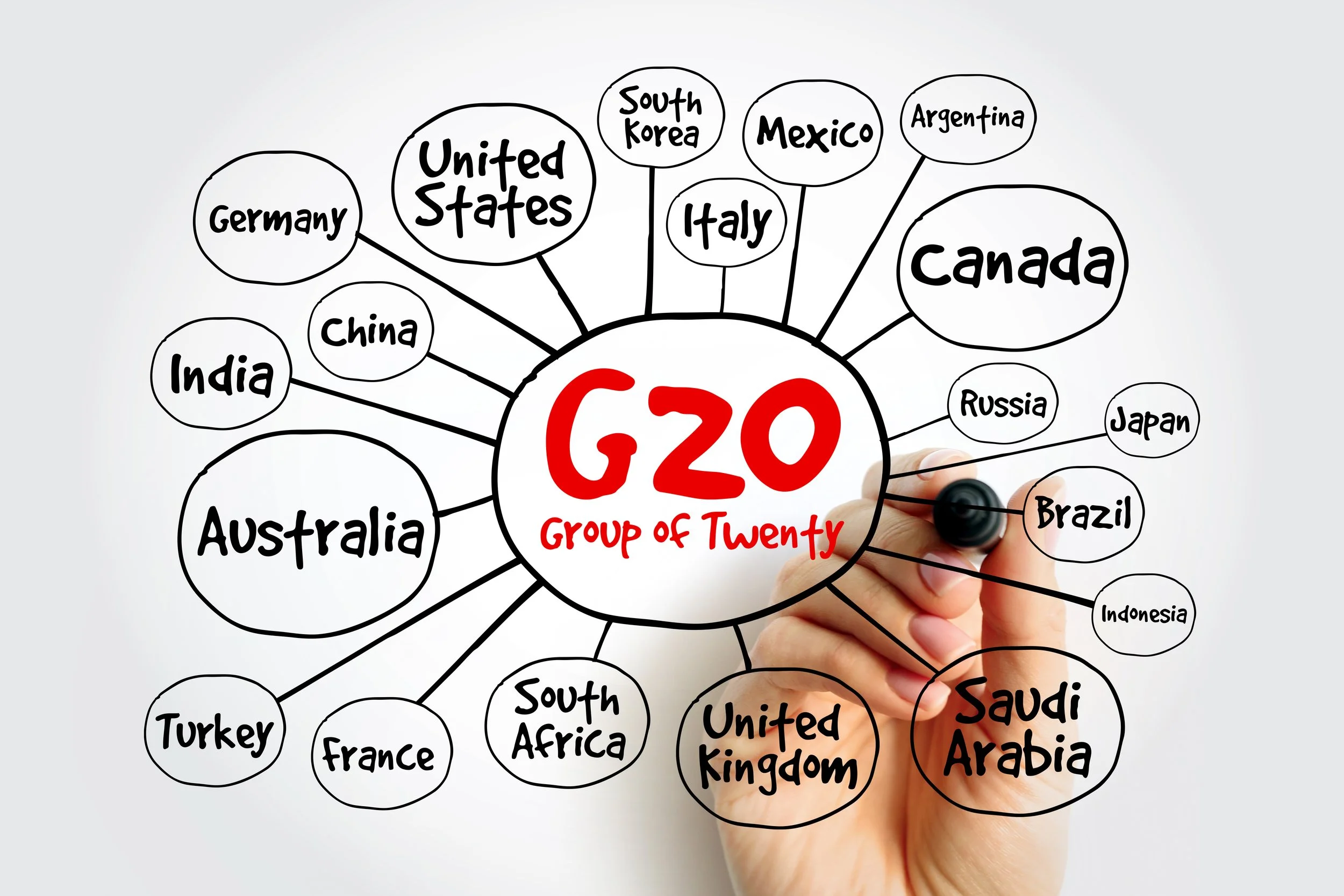
South Africa influences the policies of economies representing more than 85% of global GDP, 75% of world trade, and two-thirds of the global population.
Quote:
“Africa must be a maker of global decisions, not a passive recipient of them,” says Dr. Ngozi Okonjo-Iweala, WTO Director-General.
Practical Tip:
Local businesses should track G20 communiqués and policy agreements—they’re often precursors to regulatory and trade shifts months before they hit local markets.
2. The Economic Ripple Effect: How G20 Outcomes Shape South Africa’s Market Landscape
If you drop a stone in an ocean, the ripple seems small — until it finally reaches the shore. That’s exactly how global policy decisions reach South Africa’s economy.
G20 outcomes influence:
Interest rate trends
Investment flows and risk appetite
Energy transition funding
Digital trade agreements
Supply chain resilience
Data to note:
Global FDI flows to Africa increased by 15% in 2024, largely driven by improved global–Africa partnerships and green transition financing.
Practical Tip:
Businesses should monitor global commodity strategies discussed at G20—especially those tied to minerals critical for renewable energy.
3. Climate Commitments and the Green Industrial Push
Climate policy is no longer just an environmental issue — it’s an economic race. And the G20 sets the rules of that race.
South Africa’s Just Energy Transition Partnership (JETP) receives renewed global attention and funding at every G20 summit, reinforcing commitments to:
Renewable infrastructure
Carbon reduction
Green manufacturing
Skills development for new industries
Quote:
“The energy transition is Africa’s greatest economic opportunity.” — Fatih Birol, IEA Executive Director
Practical Tip:
Executives should explore green financing instruments emerging through G20 channels — concessional loans, blended finance, and public–private partnerships.
4. Digital Transformation: A Priority South Africa Can’t Afford to Miss
In a world where data is the new gold, digital policy becomes a matter of competitive survival.
G20 members are driving agendas on:
AI governance
Digital tax frameworks
Cross-border digital trade
Cybersecurity standards
For South Africa, this creates opportunities for:
Scaling digital SMEs
Improving digital skills
Attracting global tech investment
Interoperability of financial systems
Statistic:
Digital trade is growing three times faster than physical trade globally.
Practical Tip:
Businesses should prioritise AI readiness, as G20 countries increasingly define rules shaping global digital markets.

5. Re-shaping Global Trade: What South African Exporters Should Expect
Every G20 summit influences tariff negotiations, trade agreements, and market access. South Africa leverages this platform to push for fair trade conditions for:
Agriculture
Automotive
Metals and minerals
Pharmaceuticals
Renewable energy value chains
Quote:
“Trade must enable development, not deepen inequality,” says President Cyril Ramaphosa.
Practical Tip:
Exporters should focus on compliance with global sustainability standards, which are fast becoming entry tickets into G20 markets.
6. Strengthening Africa’s Global Voice Through South Africa
South Africa’s G20 voice extends beyond national interests. It represents:
AfCFTA integration
Continental infrastructure
Africa’s financial system reform
Debt sustainability
Youth employment and education alliances
This transforms SA’s positioning from a participant to a continental connector.
Statistic:
AfCFTA could boost intra-African trade by 52% by 2035, according to the World Bank.
Practical Tip:
African-focused companies should align strategies with cross-border reforms accelerated through G20 diplomatic commitments.
7. How Business Leaders Can Prepare for the Post-G20 Landscape
A summit is only powerful if its outcomes are acted on. Leaders should prepare by:
Building scenario plans based on policy shifts
Monitoring trade and digital policy updates
Enhancing ESG reporting
Exploring G20-aligned funding opportunities
Strengthening organisational agility and foresight
The organisations that gain the most are those that connect global signals to local strategy.
Quote:
“Strategic foresight is not predicting the future — it’s preparing for it,” says futurist Amy Webb.
Conclusion: A Moment of Global Influence South Africa Must Leverage
South Africa’s engagement in the G20 is more than diplomatic symbolism — it’s a strategic position with real economic consequences. From climate financing to digital trade, energy security to global investment trends, the G20 provides South Africa with both a voice and an opportunity.
As we move into 2026, the leaders who will thrive are those who can:
Decode global shifts
Integrate policy signals into strategy
Move with agility
And compete with confidence in an interconnected world
South Africa isn’t just watching the world’s future unfold — it’s helping design it.

Designing the Future: Strategic Priorities for South African Leaders in 2026
South African leaders face a transformative 2026 shaped by economic volatility, digital acceleration, evolving talent demands, and rising sustainability pressures. This article explores the strategic priorities leaders must focus on to build resilience, strengthen execution, and design a future-ready organisation capable of thriving in a rapidly changing environment.

As 2026 approaches, South African executives stand at a defining moment. The combination of global economic uncertainty, local policy transitions, shifting market dynamics, and rapid technological disruption is reshaping what strategic competitiveness looks like. Leaders who once focused on short-term operational efficiency are now being challenged to redesign their organisations for long-term resilience, agility, and purposeful growth.
South Africa’s business landscape is changing fast—but with the right priorities, leaders can position their organisations to thrive rather than simply adapt. This article explores the most critical strategic priorities leaders must embrace in 2026, offering practical guidance and future-focused insights.
1. Build organisational resilience for a volatile economy
South Africa’s economic environment will remain uneven in 2026, influenced by energy constraints, policy shifts, global supply chain realignments, and persistent cost pressures. Leaders must therefore move beyond reactive planning and embrace structural resilience, including:
Key actions
Scenario-based strategy: Prepare for best-, mid-, and worst-case outcomes around energy availability, interest rate movements, and regulatory changes.
Cost discipline with strategic intent: Protect liquidity while investing in high-impact areas like technology and capability building.
Revenue diversification: Enter new markets, digitise products, and build service-based income streams that stabilise earnings.
Businesses that embed resilience not only survive disruptions—they turn uncertainty into competitive advantage.
2. Prioritise digital transformation with measurable outcomes
In 2026, technology is no longer a support function—it is the heart of competitive strategy. But the real differentiator will be execution discipline, not technology itself.
Key actions
Digitise core operations to reduce inefficiencies and improve customer experience.
Adopt AI and automation where they deliver measurable value, not hype-driven experimentation.
Strengthen cybersecurity, especially as digital ecosystems and remote work expand.
Invest in data intelligence to improve forecasting, decision-making, and personalised offerings.
South African organisations that scale digital capabilities effectively will unlock efficiency, speed, and strategic clarity.
3. Lead with purpose, values, and human-centred transformation
After years of economic pressure and social uncertainty, employees expect more transparent, ethical, and empathetic leadership. In 2026, culture becomes a non-negotiable strategic asset.
Key actions
Embed a clear organisational purpose linked to societal contribution—not just profit.
Strengthen internal communication to maintain trust during transformation.
Develop leaders at all levels, not only executives, through mentorship, coaching, and skills development.
Build cultures of empowerment, shifting from control to collaboration and accountability.
Purpose-driven organisations consistently outperform their peers—and the expectation for authenticity is rising.
4. Embrace sustainability and South Africa’s emerging green economy
South Africa is accelerating towards renewable energy, circular models, and climate-resilient practices. Whether driven by regulation, investor pressure, or cost efficiency, sustainability will shape competitive advantage.
Key actions
Assess climate risk exposure across the value chain.
Pursue energy independence solutions, such as hybrid solar systems.
Develop green products and services aligned with shifting consumer and investor expectations.
Report transparently on ESG performance, reducing reputational and regulatory risk.
Leaders who invest early in sustainability will unlock new markets and reduce long-term operating costs.
5. Strengthen organisational agility for faster execution
Slow execution is one of the biggest barriers to growth in South African organisations. In 2026, competitive advantage goes to leaders who can adapt, align, and execute rapidly.
Key actions
Simplify decision-making structures to reduce bureaucracy.
Adopt agile operating models that allow teams to move quickly and cross-functionally.
Use real-time data to adjust strategy dynamically.
Focus on capability building, not only structural change.
A strategy is only as strong as its execution—and execution requires clarity, ownership, and speed.
6. Strengthen partnerships across ecosystems
No organisation can succeed in isolation. The future of South Africa’s economy will be shaped by collaboration, not competition alone.
Key actions
Partner with startups to accelerate innovation.
Build cross-industry alliances to solve systemic challenges such as energy supply and infrastructure bottlenecks.
Engage government and regulators proactively, influencing policy that supports growth.
Co-create solutions with customers and communities, improving relevance and impact.
Ecosystem-driven strategies are becoming the backbone of long-term competitiveness.
7. Focus on talent retention, skills development, and future capabilities
As demand rises for digital, technical, and leadership capabilities, South Africa faces a widening talent gap. Leaders must proactively build future-ready workforces.
Key actions
Upskill employees in digital literacy, critical thinking, and data-enabled decision-making.
Invest in leadership development pipelines that support succession and organisational continuity.
Enhance employee experience, especially in hybrid-work environments.
Reward performance fairly, with transparent pathways for growth.
Organisations that invest in people will gain a sustainable competitive edge.
Conclusion: Designing a future with intent, clarity, and resilience
2026 will reward leaders who are both visionary and practical—those who can read the signals of change, set clear priorities, and execute with discipline. South African organisations sit at a pivotal moment: the next two years will define whether they emerge stronger, more innovative, and more resilient.
By focusing on the strategic priorities outlined above—resilience, digital transformation, purpose-driven culture, sustainability, agility, partnerships, and talent—leaders can shape a future that is not only competitive but also meaningful.
The organisations that thrive in 2026 will be those that design the future deliberately—balancing insight with action, and ambition with execution.