
Green Infrastructure Investment: How Companies Can Participate and Benefit
Green infrastructure investment offers South African companies a powerful path to resilience, growth, and sustainability. Learn how to participate and benefit.
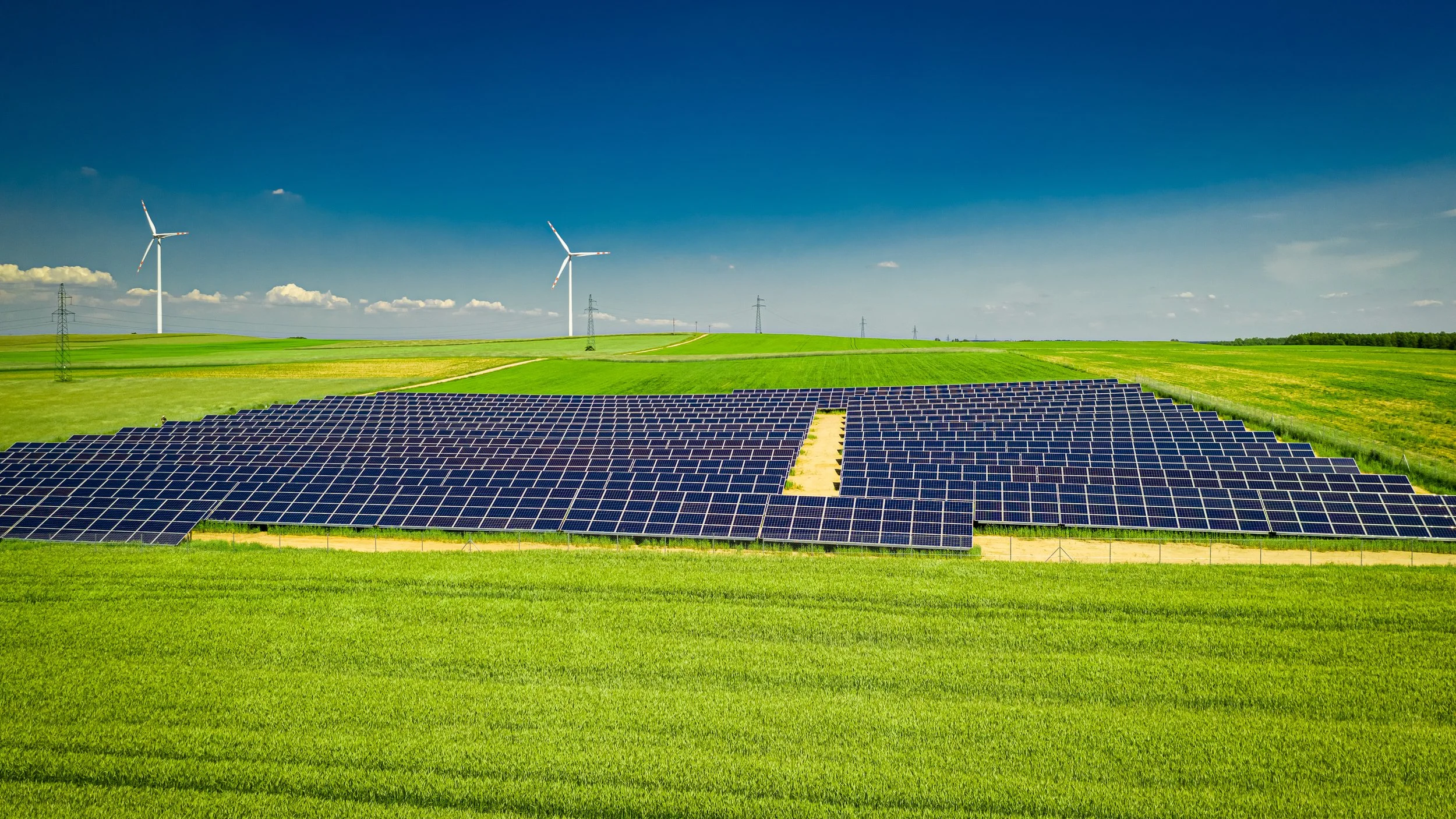
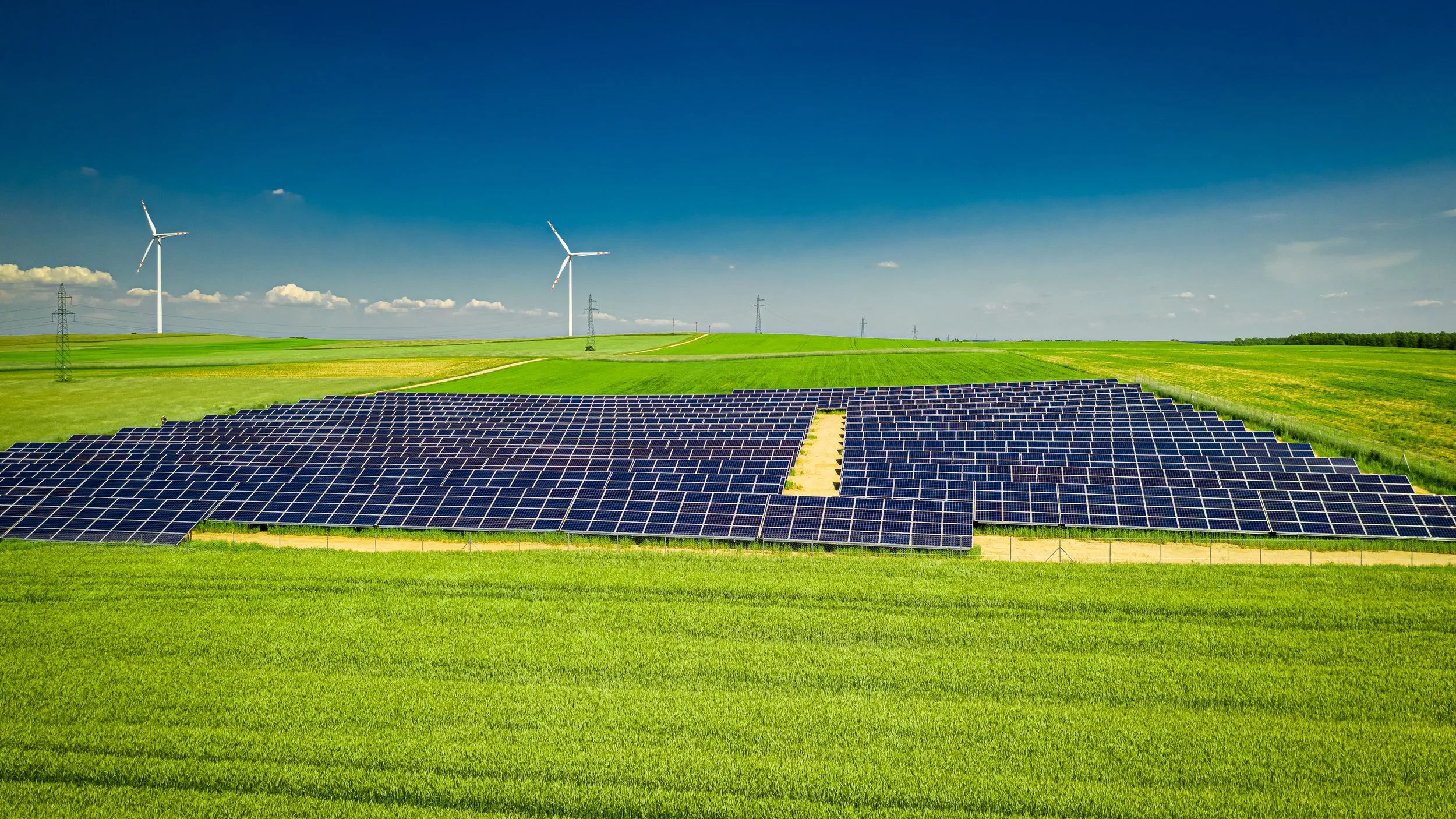
As South Africa confronts energy insecurity, climate risk, and infrastructure backlogs, green infrastructure investment has moved from policy aspiration to economic necessity. Renewable energy, water resilience, transport modernisation, and climate-smart cities are no longer just public-sector priorities — they are rapidly becoming strategic opportunities for private enterprise.
For companies, green infrastructure is not only about sustainability compliance. It is about unlocking growth, reducing long-term risk, accessing new funding channels, and strengthening competitiveness in a changing global economy.
This article explores how companies can participate in green infrastructure investment — and why doing so delivers measurable commercial and strategic benefits.
Why Green Infrastructure Matters for Business
Green infrastructure refers to assets and systems designed to deliver environmental benefits alongside economic value. This includes renewable energy, energy-efficient buildings, sustainable transport, water systems, waste management, and climate-resilient infrastructure.
For South African businesses, the urgency is clear. Energy instability, water stress, and climate shocks directly threaten operational continuity — risks highlighted in Global Economic Headwinds: How South African Businesses Can Stay Resilient.
Green infrastructure helps businesses:
Reduce exposure to energy and resource volatility
Strengthen supply-chain resilience
Align with ESG and investor expectations
Access new growth markets and incentives
The Strategic Shift: From Compliance to Competitive Advantage
Historically, sustainability investments were seen as cost centres. Today, they are value drivers.
Companies that integrate green infrastructure into strategy outperform peers in resilience, reputation, and long-term returns — reinforcing lessons from Why Purpose-Driven Organisations Outperform Their Peers.
Global capital markets increasingly reward organisations that demonstrate credible sustainability pathways, while customers and talent gravitate toward future-oriented brands.
Key insight: Green infrastructure is no longer optional — it is a strategic lever.
Where Companies Can Participate
Private-sector participation in green infrastructure is broader than many leaders realise. Key entry points include:
1. Renewable Energy and Embedded Generation
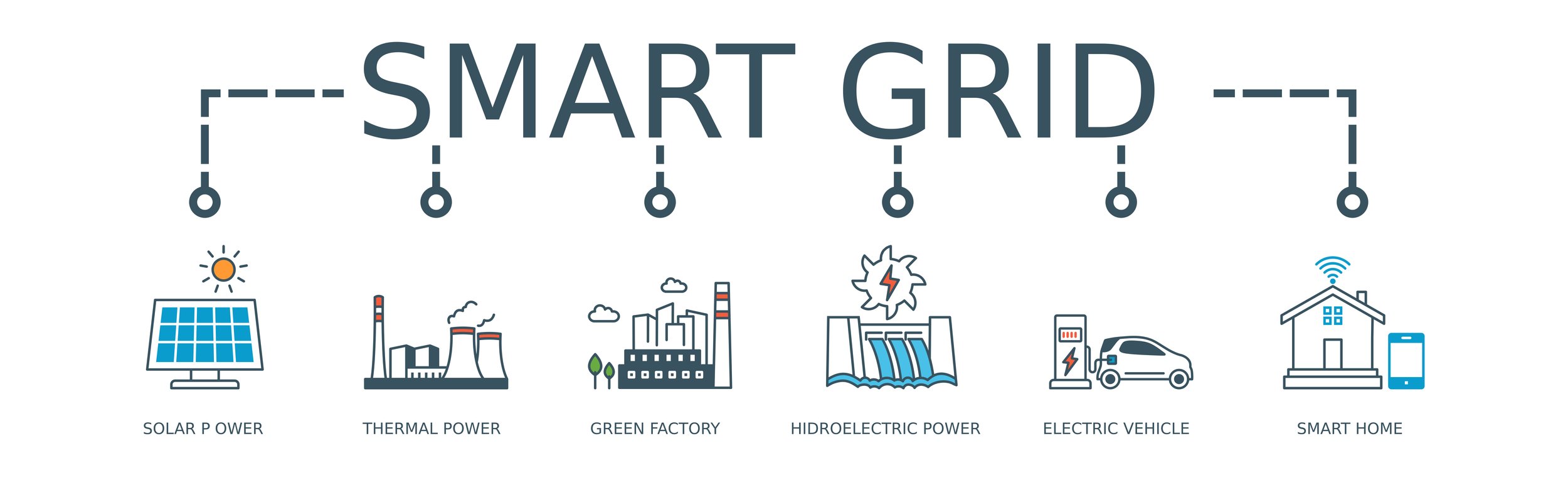
Solar, wind, battery storage, and microgrids allow businesses to reduce reliance on the national grid while stabilising energy costs.
This directly connects to opportunities outlined in South Africa’s Green Economy: Opportunities for Growth.
Examples of participation:
On-site renewable installations
Power purchase agreements (PPAs)
Investment in independent power producers
2. Green Buildings and Infrastructure Upgrades
Energy-efficient buildings, smart systems, and retrofits deliver long-term cost savings while improving asset value.
Benefits include:
Lower operating expenses
Improved employee wellbeing and productivity
Higher property valuations
3. Water and Waste Infrastructure
Water scarcity is a growing operational risk in South Africa. Investment in recycling, reuse, and efficiency infrastructure protects continuity while reducing regulatory exposure.
4. Sustainable Transport and Logistics
Electric vehicle fleets, logistics optimisation, and rail-based transport solutions reduce emissions while lowering fuel and maintenance costs.
Funding and Incentives: Capital Is Available
One of the most persistent myths is that green infrastructure is too expensive. In reality, funding availability has never been stronger.
Companies can access:
Development finance institutions (DFIs)
Green bonds and sustainability-linked loans
Public-private partnerships (PPPs)
International climate finance and blended finance structures
South Africa’s growing role in global climate finance discussions — explored in G20 Summit 2025: What South Africa’s Role Means for Global Influence and Local Growth — is expanding these opportunities further.
Governance, Risk, and Execution
Green infrastructure investments require strong governance, long-term thinking, and execution discipline.
Common pitfalls include:
Poor alignment between sustainability and core strategy
Underestimating operational complexity
Weak change management
Bridging intent and execution mirrors challenges addressed in From Strategy to Execution: Closing the Gap in Organisations.
Best practice: Treat green infrastructure as a strategic transformation initiative — not a side project.
Leadership Capabilities Needed
Participating effectively in green infrastructure requires leaders who can balance economic performance with long-term value creation.
This leadership shift aligns with themes in The Evolving Role of Leadership in 2026: From Control to Empowerment and Designing the Future: Strategic Priorities for South African Leaders in 2026.
Key capabilities include:
Systems thinking
Stakeholder collaboration
Scenario planning
Long-term capital allocation
The Business Case: Tangible Returns
Companies that invest in green infrastructure consistently report:
Lower energy and resource costs
Improved operational resilience
Stronger investor and lender confidence
Enhanced brand and employer reputation
In volatile environments, these advantages compound — reinforcing insights from From Insight to Impact: Building Resilient Strategies for a Volatile Economy.
Conclusion
Green infrastructure investment is no longer the domain of governments alone. For South African companies, it represents a powerful intersection of resilience, growth, and sustainability.
Organisations that act early will not only protect themselves from future shocks — they will help shape the economic and environmental foundations of South Africa’s next growth cycle.
In a world of rising uncertainty, green infrastructure offers something rare: long-term value that benefits both business and society.

G20 Summit 2025: What South Africa’s Role Means for Global Influence and Local Growth
South Africa’s influential role at the G20 Summit marks a pivotal moment for shaping global policy, attracting investment, and advancing Africa’s economic agenda. This article explores how the summit’s outcomes will affect South African businesses, trade, climate financing, digital transformation, and strategic priorities heading into 2026.
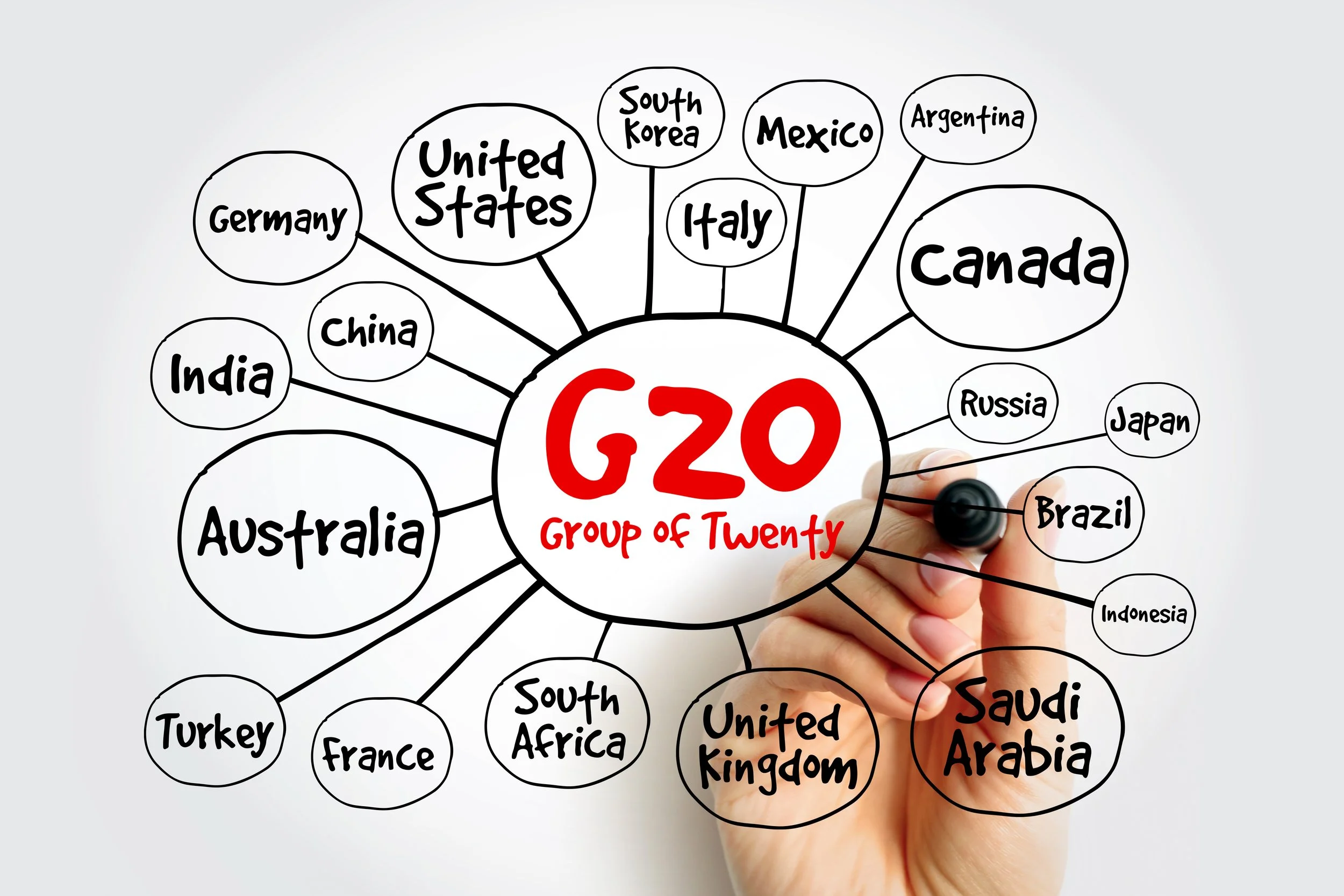
If global diplomacy were a high-stakes chessboard, the G20 Summit would be the table where the world’s biggest players gather to make their next move. And with South Africa stepping into one of its most influential leadership moments, the country is no longer just reacting to global shifts — it’s helping shape them.
Think of the G20 like a massive control room of the global economy, where every lever pulled affects jobs, investment flows, climate policy, and innovation across the world. South Africa’s presence in that room matters more than ever — not just for symbolism, but for real economic and geopolitical impact.
In this article, you’ll learn:
How South Africa’s G20 position strengthens its international influence
What this means for local businesses, markets, and investors
The key policy themes shaping the global agenda
How leaders can prepare for post-summit shifts
And the strategic opportunities South Africans must not ignore
Let’s dive in.
1. A Seat at the Power Table: Why South Africa’s G20 Role Matters More Than Ever
Ever feel like you’re watching a meeting where decisions are being made about you but not with you? The G20 summit flips that script for South Africa.
As the only African representative in the G20, South Africa carries a continental mandate — amplifying African priorities on infrastructure, climate finance, industrialisation, and fair trade.
Why this matters:
South Africa influences the policies of economies representing more than 85% of global GDP, 75% of world trade, and two-thirds of the global population.
Quote:
“Africa must be a maker of global decisions, not a passive recipient of them,” says Dr. Ngozi Okonjo-Iweala, WTO Director-General.
Practical Tip:
Local businesses should track G20 communiqués and policy agreements—they’re often precursors to regulatory and trade shifts months before they hit local markets.
2. The Economic Ripple Effect: How G20 Outcomes Shape South Africa’s Market Landscape
If you drop a stone in an ocean, the ripple seems small — until it finally reaches the shore. That’s exactly how global policy decisions reach South Africa’s economy.
G20 outcomes influence:
Interest rate trends
Investment flows and risk appetite
Energy transition funding
Digital trade agreements
Supply chain resilience
Data to note:
Global FDI flows to Africa increased by 15% in 2024, largely driven by improved global–Africa partnerships and green transition financing.
Practical Tip:
Businesses should monitor global commodity strategies discussed at G20—especially those tied to minerals critical for renewable energy.
3. Climate Commitments and the Green Industrial Push
Climate policy is no longer just an environmental issue — it’s an economic race. And the G20 sets the rules of that race.
South Africa’s Just Energy Transition Partnership (JETP) receives renewed global attention and funding at every G20 summit, reinforcing commitments to:
Renewable infrastructure
Carbon reduction
Green manufacturing
Skills development for new industries
Quote:
“The energy transition is Africa’s greatest economic opportunity.” — Fatih Birol, IEA Executive Director
Practical Tip:
Executives should explore green financing instruments emerging through G20 channels — concessional loans, blended finance, and public–private partnerships.
4. Digital Transformation: A Priority South Africa Can’t Afford to Miss
In a world where data is the new gold, digital policy becomes a matter of competitive survival.
G20 members are driving agendas on:
AI governance
Digital tax frameworks
Cross-border digital trade
Cybersecurity standards
For South Africa, this creates opportunities for:
Scaling digital SMEs
Improving digital skills
Attracting global tech investment
Interoperability of financial systems
Statistic:
Digital trade is growing three times faster than physical trade globally.
Practical Tip:
Businesses should prioritise AI readiness, as G20 countries increasingly define rules shaping global digital markets.

5. Re-shaping Global Trade: What South African Exporters Should Expect
Every G20 summit influences tariff negotiations, trade agreements, and market access. South Africa leverages this platform to push for fair trade conditions for:
Agriculture
Automotive
Metals and minerals
Pharmaceuticals
Renewable energy value chains
Quote:
“Trade must enable development, not deepen inequality,” says President Cyril Ramaphosa.
Practical Tip:
Exporters should focus on compliance with global sustainability standards, which are fast becoming entry tickets into G20 markets.
6. Strengthening Africa’s Global Voice Through South Africa
South Africa’s G20 voice extends beyond national interests. It represents:
AfCFTA integration
Continental infrastructure
Africa’s financial system reform
Debt sustainability
Youth employment and education alliances
This transforms SA’s positioning from a participant to a continental connector.
Statistic:
AfCFTA could boost intra-African trade by 52% by 2035, according to the World Bank.
Practical Tip:
African-focused companies should align strategies with cross-border reforms accelerated through G20 diplomatic commitments.
7. How Business Leaders Can Prepare for the Post-G20 Landscape
A summit is only powerful if its outcomes are acted on. Leaders should prepare by:
Building scenario plans based on policy shifts
Monitoring trade and digital policy updates
Enhancing ESG reporting
Exploring G20-aligned funding opportunities
Strengthening organisational agility and foresight
The organisations that gain the most are those that connect global signals to local strategy.
Quote:
“Strategic foresight is not predicting the future — it’s preparing for it,” says futurist Amy Webb.
Conclusion: A Moment of Global Influence South Africa Must Leverage
South Africa’s engagement in the G20 is more than diplomatic symbolism — it’s a strategic position with real economic consequences. From climate financing to digital trade, energy security to global investment trends, the G20 provides South Africa with both a voice and an opportunity.
As we move into 2026, the leaders who will thrive are those who can:
Decode global shifts
Integrate policy signals into strategy
Move with agility
And compete with confidence in an interconnected world
South Africa isn’t just watching the world’s future unfold — it’s helping design it.