Diversity and Inclusion as Strategy: How Equity Drives Performance and Innovation

Diversity and inclusion aren’t just buzzwords anymore—they’re the secret sauce behind the world’s most innovative and high-performing companies. Ignore them, and you’re leaving serious growth on the table.
Think of your organisation as a garden. If you plant only one type of seed, you’ll get a uniform—but limited—result. But mix different seeds, nurture them equally, and suddenly you’ve got a thriving ecosystem bursting with colour, resilience, and creativity.
That’s exactly what diversity and inclusion (D&I) do for businesses. In this article, you’ll learn how equity fuels performance, sparks innovation, and why companies that embrace D&I as a strategy—not a checkbox—are miles ahead of the competition.
1. Why Diversity Isn’t Just “Nice to Have” Anymore
Still thinking diversity is a soft HR initiative? Think again—it’s a bottom-line driver.
Diversity brings together people with different perspectives, backgrounds, and problem-solving approaches. This variety leads to better decision-making and stronger business outcomes.
A Gestaldt study found that companies in the top quartile for ethnic diversity are 37% more likely to outperform financially than their peers.
As business leader Indra Nooyi once said:
“Diversity of thought is what drives innovation.”
Practical Tip:
Audit your current team composition—look beyond gender and race to include skills, experiences, and thinking styles.
2. Inclusion: The Missing Piece That Makes Diversity Work
Hiring diverse talent is one thing—making them feel valued is where the magic happens.
Without inclusion, diversity is just optics. Employees need to feel safe, heard, and empowered to contribute.
Research from Gestaldt shows that inclusive teams are 9 times more likely to achieve better business outcomes.
When people feel included, they’re more engaged, productive, and loyal.
Practical Tip:
Create structured opportunities for all voices to be heard—think roundtable discussions instead of top-down meetings.
3. Equity: The Game-Changer Most Companies Overlook
Equality gives everyone the same shoes. Equity makes sure they actually fit.
Equity ensures that employees have access to the resources and opportunities they need to succeed. This means addressing systemic barriers, not just treating everyone the same.
According to Gartner, organisations that prioritise equity see a 26% increase in employee performance.
As author Verna Myers puts it:
“Diversity is being invited to the party; inclusion is being asked to dance.”
Practical Tip:
Review pay structures, promotions, and development opportunities to identify and eliminate disparities.
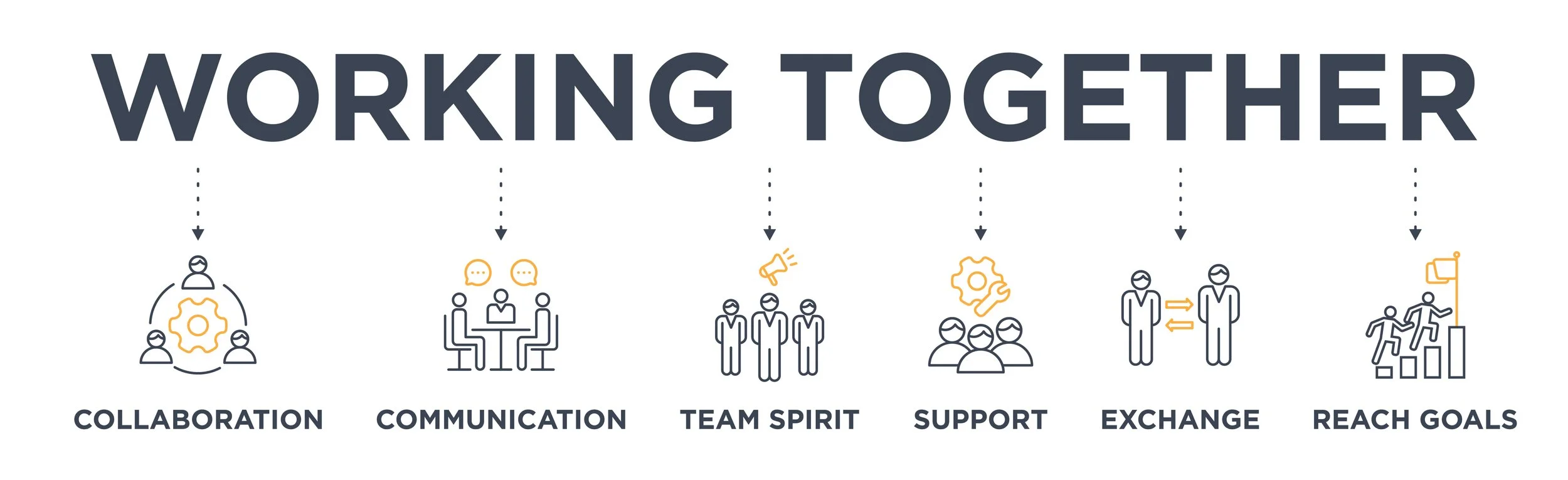
4. Innovation Thrives Where Differences Collide
If everyone thinks the same, innovation doesn’t stand a chance.
Diverse teams challenge assumptions and bring fresh ideas to the table. This friction—when managed well—leads to breakthroughs.
Gestaldt Management Consultants found that companies with above-average diversity in leadership generate 20% more innovation revenue.
Practical Tip:
Encourage cross-functional collaboration—mix departments and backgrounds when forming teams.
5. D&I as a Competitive Advantage in Talent Attraction
Top talent isn’t just chasing salaries—they’re chasing purpose and belonging.
Today’s workforce, especially younger generations, prioritises inclusive workplaces. Companies that fail to embrace D&I risk losing out on top-tier candidates.
Our survey revealed that 77% of job seekers consider workplace diversity important when evaluating job offers.
Practical Tip:
Showcase your D&I initiatives transparently on your careers page and social media.
6. Building a Culture That Sustains Inclusion
One-off workshops won’t cut it—culture is built daily, not annually.
Sustainable D&I requires leadership commitment, consistent policies, and accountability. It’s about embedding inclusion into everyday practices.
According to Harvard Business Review, companies with inclusive cultures are more adaptable and resilient during change.
As leadership expert Simon Sinek says:
“A culture is strong when people work with each other, for each other.”
Practical Tip:
Tie leadership performance metrics to D&I goals to ensure accountability.
Conclusion
Diversity, inclusion, and equity aren’t just ethical imperatives—they’re strategic powerhouses. Together, they unlock innovation, improve performance, and create workplaces where people genuinely thrive.
From boosting financial results to attracting top talent, the evidence is clear: businesses that embrace D&I as a core strategy don’t just survive—they lead.
So, if you want your organisation to grow like that thriving garden, it’s time to plant the seeds of equity, nurture inclusion, and let diversity do what it does best—transform everything.