
Organisational Resilience: The CEO's Blueprint for Building a Business That Thrives Through Disruption
Economic uncertainty, digital disruption, and changing workforce expectations are redefining business success. Discover how CEOs can build organisational resilience through leadership, culture, governance, capability, and strategic execution.
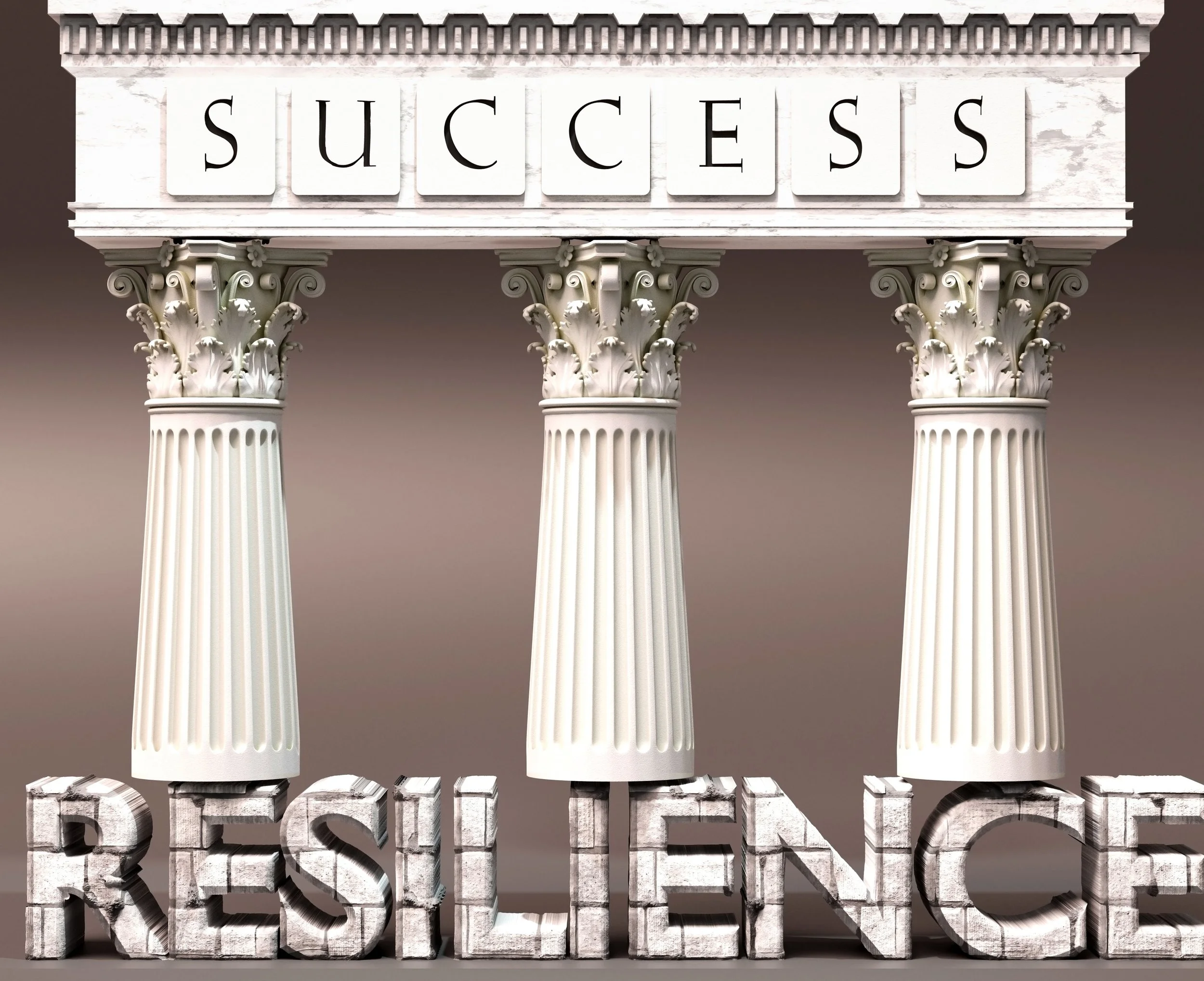
Resilience Is No Longer About Survival—It's About Sustainable Advantage
Not long ago, resilience was associated with crisis management. Organisations built contingency plans for unlikely events and hoped they would never need them.
Today, disruption is no longer the exception—it is the operating environment.
Economic volatility, technological advances, geopolitical tensions, cybersecurity threats, supply chain disruptions, climate-related events, and changing employee expectations have transformed the business landscape. The question is no longer whether disruption will occur, but how prepared organisations are to respond.
Some organisations emerge stronger from uncertainty. Others lose momentum, talent, customers, and market share.
The difference is rarely luck.
It is organisational resilience.
Resilient organisations do more than recover. They adapt, innovate, and continue creating value while others are reacting. They build leadership teams capable of making confident decisions, cultures that embrace change, governance that accelerates action, and capabilities that prepare people for an uncertain future.
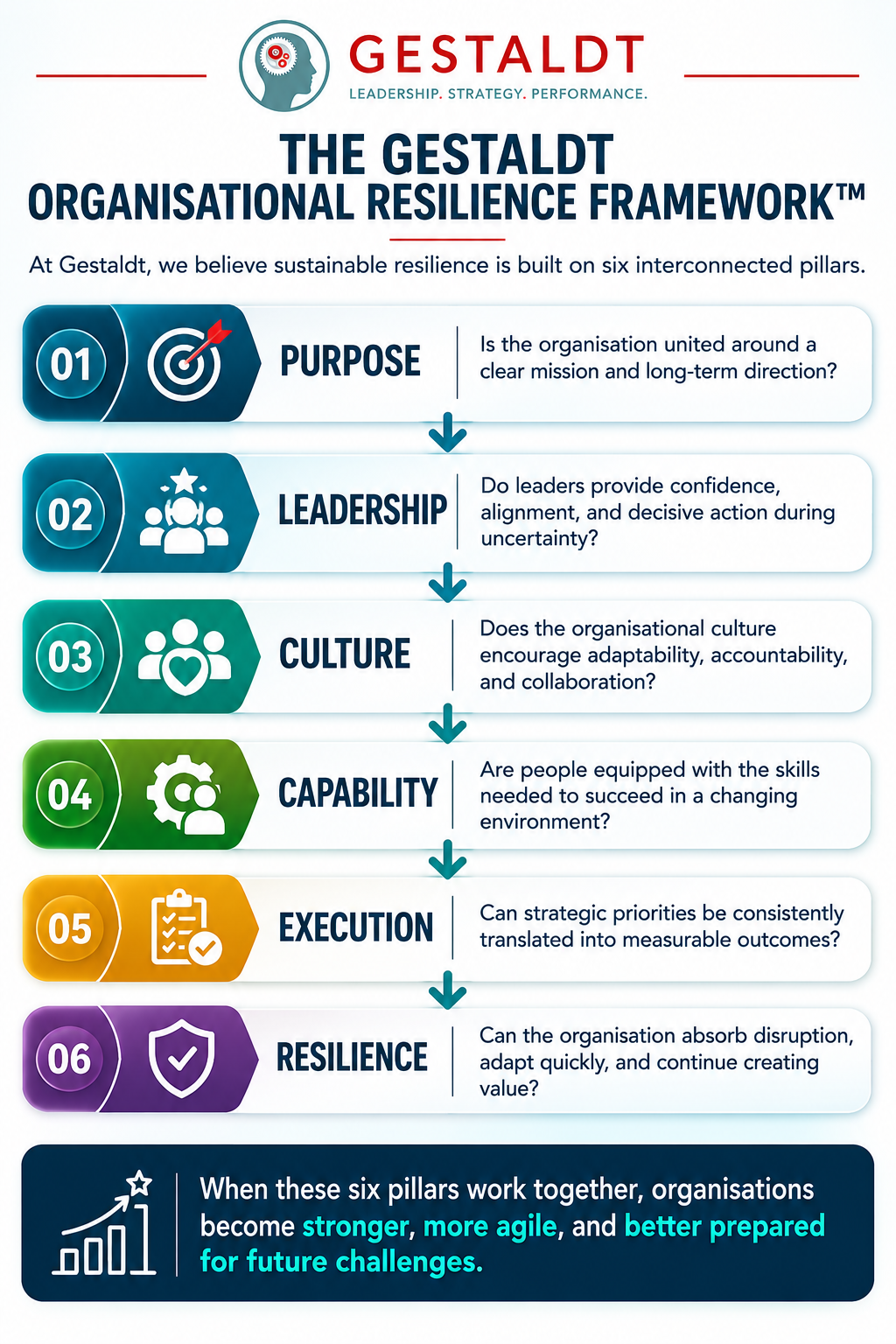
At Gestaldt, we believe resilience is not a programme or a policy. It is an organisational capability that must be intentionally designed, developed, and sustained.
Why Resilience Has Become a Strategic Priority
The pace of change has accelerated beyond traditional planning cycles.
Business models evolve faster.
Customer expectations change continuously.
Technology reshapes entire industries.
Employees expect greater flexibility, purpose, and development.
Boards are demanding greater oversight of organisational risk and long-term sustainability.
In this environment, organisations that rely solely on annual strategic planning risk falling behind.
Resilient organisations embed adaptability into the way they lead, decide, collaborate, and execute.
The Seven Characteristics of Highly Resilient Organisations
1. Leadership Creates Confidence During Uncertainty
Employees look to leaders for clarity, consistency, and confidence when uncertainty increases.
Resilient leaders communicate openly, make informed decisions despite incomplete information, and provide direction without pretending to have every answer.
Leadership behaviour shapes organisational resilience more than any policy.
Related Reading:Executive Team Alignment: Why Your Leadership Team Is Holding Your Business Back (And How to Fix It)
2. Culture Encourages Adaptability
A resilient culture values learning over blame.
Employees feel safe to challenge assumptions, test new ideas, and respond quickly when circumstances change.
Cultures built on trust and accountability recover faster because people focus on solving problems rather than protecting themselves.
Related Reading:The Invisible Fuel of Business Growth: How Leadership Culture Drives Organisational Success
3. Strategy Remains Flexible
Long-term vision should remain stable.
Execution should remain adaptable.
Resilient organisations regularly review assumptions, monitor external trends, and adjust priorities without abandoning their strategic direction.
Flexibility is a sign of disciplined leadership—not indecision.
4. Governance Enables Fast Decisions
In times of disruption, slow governance becomes a competitive disadvantage.
Decision rights should be clear, escalation pathways defined, and accountability transparent.
Governance exists to accelerate informed decisions, not create unnecessary bureaucracy.
5. Capability Is Continuously Developed
Skills become outdated more quickly than ever before.
Resilient organisations invest in leadership development, digital capability, change management, and continuous learning.
Preparing people for future challenges is more effective than reacting after disruption occurs.
6. Execution Remains Disciplined
Resilience is not achieved through planning alone.
It depends on consistent execution.
High-performing organisations translate strategic priorities into measurable action while maintaining focus, accountability, and momentum.
Related Reading:Why Strategy Execution Fails: The 7 Hidden Barriers Most CEOs Never See
7. Performance Is Measured Beyond Financial Results
Revenue and profitability remain essential.
However, resilient organisations also monitor:
Leadership effectiveness
Employee engagement
Innovation capacity
Customer trust
Decision-making speed
Change readiness
Organisational agility
These indicators provide early warning signs long before financial performance is affected.
The Gestaldt Organisational Resilience Framework™
Executive Resilience Scorecard
Rate each statement from 1 (Strongly Disagree) to 5 (Strongly Agree).
Leaders communicate consistently during uncertainty.
Strategic priorities remain clear during change.
Employees embrace innovation and continuous improvement.
Decision-making is timely and well governed.
Learning and capability development are ongoing priorities.
Cross-functional collaboration is strong.
Strategic initiatives are executed effectively.
The organisation adapts quickly to market changes.
We measure organisational health beyond financial results.
We are confident in our ability to respond to future disruption.
Results
40–50: Your organisation demonstrates strong resilience.
30–39: Opportunities exist to strengthen organisational adaptability.
Below 30: Your organisation may be vulnerable to future disruption.
Executive Case Study
A diversified services organisation approached Gestaldt after experiencing repeated disruptions caused by changing market conditions and internal restructuring.
Although financial performance remained stable, executive leaders recognised growing signs of organisational fatigue:
Slower decision-making.
Declining employee engagement.
Increased turnover among key talent.
Difficulty executing strategic initiatives.
Gestaldt conducted an organisational resilience assessment and identified weaknesses in leadership alignment, governance, and capability development.
Working closely with the executive team, we introduced a resilience roadmap that strengthened leadership communication, clarified decision rights, and embedded continuous learning across the organisation.
Within twelve months, the organisation experienced:
Faster responses to market opportunities.
Improved executive collaboration.
Higher employee engagement.
Greater confidence in strategic execution.
Increased organisational agility.
Resilience became a competitive advantage rather than a defensive capability.
Five Questions Every CEO Should Ask
How quickly can our organisation adapt when conditions change?
Do our leaders inspire confidence during uncertainty?
Are we investing enough in future capability?
Does our governance accelerate or delay strategic decisions?
Would our employees describe our organisation as adaptable?
The answers reveal how prepared your organisation is for tomorrow's challenges.
The Future Belongs to Resilient Organisations
No organisation can predict every disruption.
But every organisation can improve its ability to respond.
Resilience is not built in moments of crisis. It is built through deliberate leadership, strong culture, effective governance, capable people, disciplined execution, and a commitment to continuous improvement.
Organisations that invest in resilience today will be better positioned to innovate, grow, and create lasting value tomorrow.
Ready to Strengthen Your Organisation's Resilience?
If your organisation is navigating uncertainty, preparing for transformation, or seeking sustainable growth, resilience should be at the centre of your leadership agenda.
Request an Organisational Resilience Assessment
Gestaldt's confidential assessment evaluates:
Leadership resilience.
Executive alignment.
Organisational culture.
Governance effectiveness.
Capability development.
Strategy execution.
Organisational agility.
Change readiness.
Together, we'll identify the strengths that will carry your organisation forward and the barriers that may be limiting future performance.

Digital-First Customer Strategies: Competing on Experience in Tough Times
In uncertain economies, customer experience becomes a competitive edge. Learn how digital-first strategies help organisations retain trust and loyalty.

When economic pressure rises, many organisations instinctively focus on cost-cutting. But history shows that companies which win during downturns don’t compete on price alone — they compete on experience.
In an era of cautious consumers, digital-first customer strategies have become a decisive differentiator. Customers expect speed, personalisation, and consistency across every interaction, regardless of economic conditions. For South African organisations navigating uncertainty, experience is no longer a “nice to have” — it’s a strategic survival tool.
This article explores how digital-first customer strategies help organisations retain trust, deepen loyalty, and stay competitive when conditions are tough.
Why Customer Experience Matters More in Uncertain Economies
In tough times, customers become more selective, more value-conscious, and less forgiving of friction. Poor service, slow responses, or inconsistent digital experiences quickly erode trust.
This shift mirrors the broader volatility discussed in Global Economic Headwinds: How South African Businesses Can Stay Resilient.
Strong customer experience delivers:
Higher retention when acquisition costs rise
Greater lifetime value per customer
Stronger brand trust during uncertainty
Key insight: When budgets tighten, experience becomes the battleground.
Digital-First Does Not Mean Digital-Only
A common misconception is that digital-first means removing the human touch. In reality, the most effective strategies blend digital efficiency with human empathy.
Digital-first organisations:
Use technology to remove friction
Empower customers with choice and control
Reserve human interaction for moments that matter
This balance aligns with the people-centred leadership principles in The Human Side of Transformation: Keeping Purpose Alive Amid Change.
Practical takeaway: Digital should enable relationships, not replace them.
Personalisation at Scale: From Data to Relevance
Customers now expect interactions tailored to their needs, preferences, and context. Digital tools make this possible — even for SMEs.
Practical applications include:
Personalised offers based on behaviour
Targeted communication across channels
Adaptive customer journeys
AI-enabled personalisation builds on capabilities explored in AI and Business: Practical Use Cases for South African Enterprises.
Result: Customers feel understood, not marketed to.
Speed, Simplicity, and Self-Service
In uncertain environments, customers value convenience and responsiveness more than ever. Digital-first strategies prioritise:
Seamless self-service platforms
Faster issue resolution
Reduced customer effort
These efficiencies not only improve satisfaction — they also reduce operational costs, supporting resilience as outlined in From Insight to Impact: Building Resilient Strategies for a Volatile Economy.
Practical tip: Measure customer effort, not just satisfaction.
Trust as a Digital Differentiator
Digital experiences must be built on trust — especially where data privacy, security, and transparency are concerned. Customers are increasingly aware of how their data is used and expect ethical handling.
Trust-based digital strategies include:
Clear data usage communication
Secure, reliable platforms
Consistent brand experience across channels
Leadership plays a critical role in maintaining trust under pressure, as highlighted in Leadership in Crisis: How to Maintain Trust and Morale Under Pressure.

Empowering Frontline Teams with Digital Tools
Customer experience is ultimately delivered by people. Digital-first organisations equip frontline teams with:
Real-time customer insights
Integrated CRM platforms
Automation that removes admin burden
This human-digital partnership reflects workforce priorities discussed in Talent, Skills & Automation: Preparing Your Workforce for the Next Decade.
Key insight: Better tools create better conversations.
The South African Context: Digital as an Equaliser
For South African organisations, digital-first strategies can level the playing field. They allow smaller firms to compete with larger players by delivering:
Consistent omnichannel experiences
Scalable service without proportional cost increases
Access to broader markets
This agility is critical for long-term competitiveness and aligns with themes in Designing the Future: Strategic Priorities for South African Leaders in 2026.
From Customer Strategy to Execution
Many organisations understand the importance of customer experience — but struggle to execute. Digital-first success requires:
Clear ownership of customer journeys
Alignment between marketing, operations, and IT
Continuous measurement and improvement
Bridging this gap reflects execution challenges explored in From Strategy to Execution: Closing the Gap in Organisations.
Conclusion
In tough economic times, customer experience is not a cost — it’s an investment. Digital-first customer strategies help organisations retain trust, deepen loyalty, and differentiate when margins are under pressure.
By combining technology with empathy, data with purpose, and speed with trust, organisations can compete not just on price, but on experience.
In uncertain markets, the brands that customers remember — and return to — are the ones that made things easier when times were hardest.

Green Infrastructure Investment: How Companies Can Participate and Benefit
Green infrastructure investment offers South African companies a powerful path to resilience, growth, and sustainability. Learn how to participate and benefit.

As South Africa confronts energy insecurity, climate risk, and infrastructure backlogs, green infrastructure investment has moved from policy aspiration to economic necessity. Renewable energy, water resilience, transport modernisation, and climate-smart cities are no longer just public-sector priorities — they are rapidly becoming strategic opportunities for private enterprise.
For companies, green infrastructure is not only about sustainability compliance. It is about unlocking growth, reducing long-term risk, accessing new funding channels, and strengthening competitiveness in a changing global economy.
This article explores how companies can participate in green infrastructure investment — and why doing so delivers measurable commercial and strategic benefits.
Why Green Infrastructure Matters for Business
Green infrastructure refers to assets and systems designed to deliver environmental benefits alongside economic value. This includes renewable energy, energy-efficient buildings, sustainable transport, water systems, waste management, and climate-resilient infrastructure.
For South African businesses, the urgency is clear. Energy instability, water stress, and climate shocks directly threaten operational continuity — risks highlighted in Global Economic Headwinds: How South African Businesses Can Stay Resilient.
Green infrastructure helps businesses:
Reduce exposure to energy and resource volatility
Strengthen supply-chain resilience
Align with ESG and investor expectations
Access new growth markets and incentives
The Strategic Shift: From Compliance to Competitive Advantage
Historically, sustainability investments were seen as cost centres. Today, they are value drivers.
Companies that integrate green infrastructure into strategy outperform peers in resilience, reputation, and long-term returns — reinforcing lessons from Why Purpose-Driven Organisations Outperform Their Peers.
Global capital markets increasingly reward organisations that demonstrate credible sustainability pathways, while customers and talent gravitate toward future-oriented brands.
Key insight: Green infrastructure is no longer optional — it is a strategic lever.
Where Companies Can Participate
Private-sector participation in green infrastructure is broader than many leaders realise. Key entry points include:
1. Renewable Energy and Embedded Generation
Solar, wind, battery storage, and microgrids allow businesses to reduce reliance on the national grid while stabilising energy costs.
This directly connects to opportunities outlined in South Africa’s Green Economy: Opportunities for Growth.
Examples of participation:
On-site renewable installations
Power purchase agreements (PPAs)
Investment in independent power producers
2. Green Buildings and Infrastructure Upgrades
Energy-efficient buildings, smart systems, and retrofits deliver long-term cost savings while improving asset value.
Benefits include:
Lower operating expenses
Improved employee wellbeing and productivity
Higher property valuations
3. Water and Waste Infrastructure
Water scarcity is a growing operational risk in South Africa. Investment in recycling, reuse, and efficiency infrastructure protects continuity while reducing regulatory exposure.
4. Sustainable Transport and Logistics
Electric vehicle fleets, logistics optimisation, and rail-based transport solutions reduce emissions while lowering fuel and maintenance costs.

Funding and Incentives: Capital Is Available
One of the most persistent myths is that green infrastructure is too expensive. In reality, funding availability has never been stronger.
Companies can access:
Development finance institutions (DFIs)
Green bonds and sustainability-linked loans
Public-private partnerships (PPPs)
International climate finance and blended finance structures
South Africa’s growing role in global climate finance discussions — explored in G20 Summit 2025: What South Africa’s Role Means for Global Influence and Local Growth — is expanding these opportunities further.
Governance, Risk, and Execution
Green infrastructure investments require strong governance, long-term thinking, and execution discipline.
Common pitfalls include:
Poor alignment between sustainability and core strategy
Underestimating operational complexity
Weak change management
Bridging intent and execution mirrors challenges addressed in From Strategy to Execution: Closing the Gap in Organisations.
Best practice: Treat green infrastructure as a strategic transformation initiative — not a side project.
Leadership Capabilities Needed
Participating effectively in green infrastructure requires leaders who can balance economic performance with long-term value creation.
This leadership shift aligns with themes in The Evolving Role of Leadership in 2026: From Control to Empowerment and Designing the Future: Strategic Priorities for South African Leaders in 2026.
Key capabilities include:
Systems thinking
Stakeholder collaboration
Scenario planning
Long-term capital allocation
The Business Case: Tangible Returns
Companies that invest in green infrastructure consistently report:
Lower energy and resource costs
Improved operational resilience
Stronger investor and lender confidence
Enhanced brand and employer reputation
In volatile environments, these advantages compound — reinforcing insights from From Insight to Impact: Building Resilient Strategies for a Volatile Economy.
Conclusion
Green infrastructure investment is no longer the domain of governments alone. For South African companies, it represents a powerful intersection of resilience, growth, and sustainability.
Organisations that act early will not only protect themselves from future shocks — they will help shape the economic and environmental foundations of South Africa’s next growth cycle.
In a world of rising uncertainty, green infrastructure offers something rare: long-term value that benefits both business and society.
How SMEs Can Thrive in a Fragile Economic Climate: Strategies for Agility and Resilience
Discover how SMEs can stay resilient in a fragile economy with strategies for agility, cash flow, digital adoption, and market diversification.
In today’s unpredictable economy, small and medium-sized enterprises are feeling the pressure. Markets shift quickly, supply chains fluctuate, and consumer behaviour changes almost overnight. But here’s the good news: SMEs aren’t powerless. With the right strategies, they can adapt faster, move smarter, and build resilience that outperforms larger competitors.
Think of today’s economy as a turbulent sea — unpredictable, choppy, and constantly moving. Big corporations function like massive ships that take time to turn. SMEs, however, are agile speedboats. When used wisely, this agility becomes a strategic advantage.
In this article, we unpack the strategies that help SMEs stay resilient, responsive, and competitive — even when the economic waters get rough.
1. Strengthen Cash Flow Discipline Before Crisis Hits
Cash flow is the heartbeat of any SME. And in a fragile climate, controlling cash effectively becomes your biggest survival tool. Research shows that 82% of small businesses fail because of poor cash flow management, making disciplined financial oversight non-negotiable.
Executives should focus on shorter receivable cycles, tighter expense controls, and proactive renegotiation of supplier terms. As Warren Buffett famously said, “Only when the tide goes out do you discover who’s been swimming naked.” Cash flow visibility keeps you prepared before the tide shifts.
Practical Tip: Introduce a rolling 13-week cash flow forecast to anticipate pressures early.
2. Build Agility Into Your Operating Model
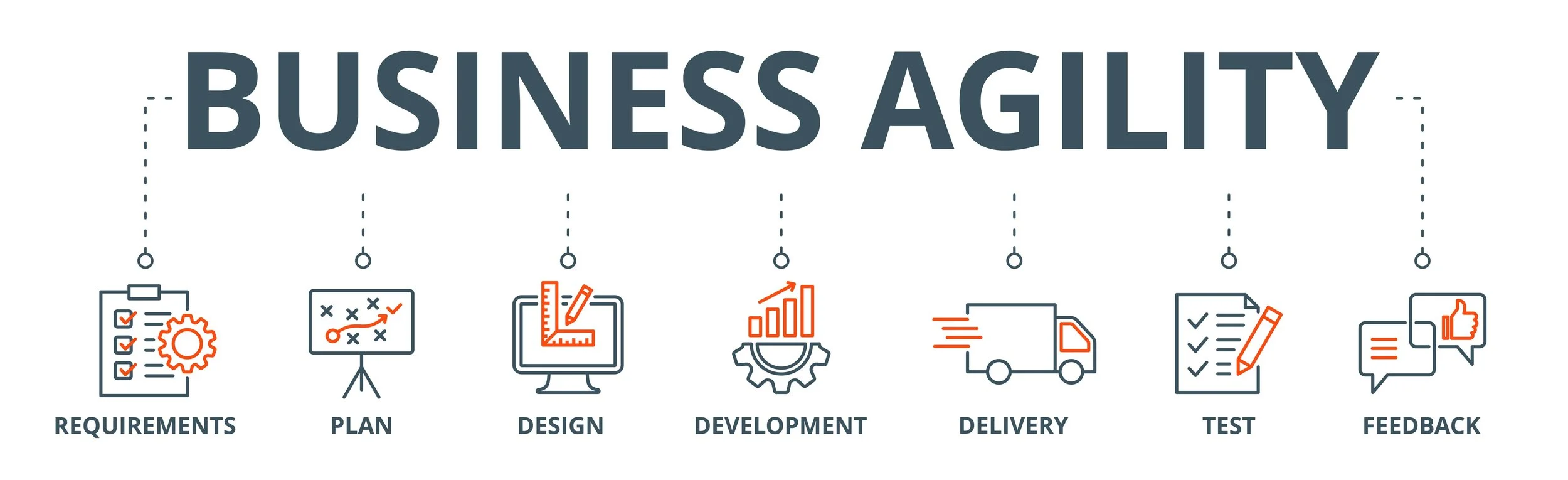
Agility isn’t just a buzzword — it’s a competitive weapon. SMEs that streamline decision-making and reduce bureaucratic steps can pivot faster during market disruptions.
Studies from Gestaldt Research show that agile organisations outperform others in both profitability and operational resilience. For SMEs, this means empowering teams, shortening approval cycles, and shifting resources quickly when new opportunities emerge.
Practical Tip: Add weekly “decision sprints” where leaders align on fast-moving priorities.
3. Diversify Revenue Streams to Reduce Risk
Dependence on a single product, service, or customer segment is dangerous. Economic downturns often expose these vulnerabilities first. Diversification spreads risk and opens new market opportunities.
A Harvard Business Review analysis found that companies with diversified revenue models experience lower volatility and faster recovery during economic shocks.
Practical Tip: Identify at least one adjacent service or product that aligns with current capabilities and customer needs.
4. Invest in Digital Tools That Boost Efficiency
Digital adoption is now fundamental to SME growth. Whether it’s cloud solutions, e-commerce, automation, or AI-powered customer management, these tools reduce costs and improve operations.
Gestaldt Management Consultants report that SMEs that adopt digital tools grow up to 27% faster than those that don’t. And in tough times, efficiency becomes the biggest margin protector.
Practical Tip: Start with one workflow automation tool (billing, customer service, or inventory) to free up team capacity and reduce errors.
5. Strengthen Supplier and Customer Relationships
In fragile climates, relationships matter more than ever. Building trust with suppliers can lead to better terms, priority access during shortages, and shared problem-solving.
On the customer side, engagement and feedback cycles help SMEs adapt offerings faster. Richard Branson said it well: “Business opportunities are like buses — there's always another one coming, but only if you're ready.” Staying close to your customers ensures you never miss the next opportunity.
Practical Tip: Conduct quarterly relationship check-ins with your top five suppliers and customers.
6. Prioritise Employee Stability and Skills Development
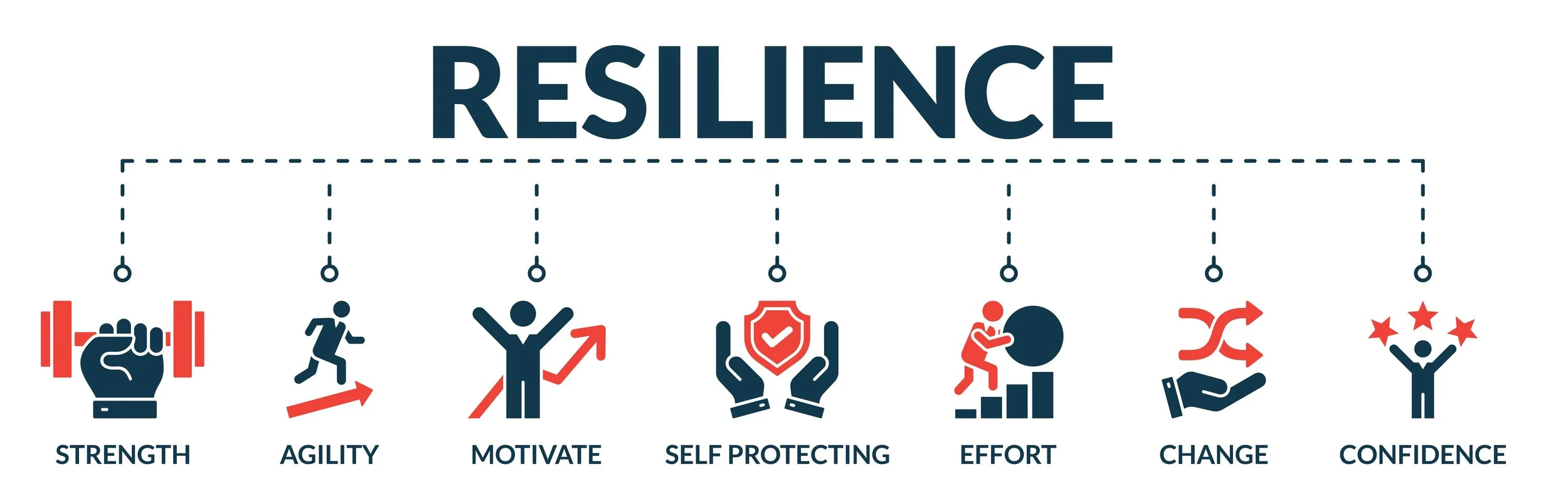
Your people are your most important asset during disruption. SMEs with strong cultures outperform their peers in adaptability and retention during uncertainty.
According to Gestaldt Management Development Consultants, skills shortages remain one of the top barriers to SME growth, making upskilling essential. Investing in development doesn’t have to be expensive — micro-learning platforms and collaborative mentorship are cost-effective.
Practical Tip: Create a 3-month internal up-skilling plan focused on digital, customer, and operational skills.
7. Use Scenario Planning to Stay Ahead of Market Shifts
Scenario planning helps SMEs anticipate risks and act before competitors do. It allows leaders to prepare for shifts in consumer demand, supply chain disruptions, or regulatory changes.
Gartner notes that companies using structured scenarios are twice as effective at responding to rapid market changes.
Practical Tip: Build three simple scenarios — optimistic, moderate, and downside — and outline decisions for each.
Conclusion
The economic climate may be fragile, but SMEs have a unique advantage: agility. By strengthening cash discipline, diversifying revenue streams, adopting technology, and empowering people, small businesses can build resilience that turns uncertainty into opportunity.
Success in 2026 and beyond will go to SMEs that embrace flexibility, act decisively, and build organisational muscle for fast adaptation. With the right strategy in place, turbulent conditions can become a launchpad for growth.

G20 Summit 2025: What South Africa’s Role Means for Global Influence and Local Growth
South Africa’s influential role at the G20 Summit marks a pivotal moment for shaping global policy, attracting investment, and advancing Africa’s economic agenda. This article explores how the summit’s outcomes will affect South African businesses, trade, climate financing, digital transformation, and strategic priorities heading into 2026.
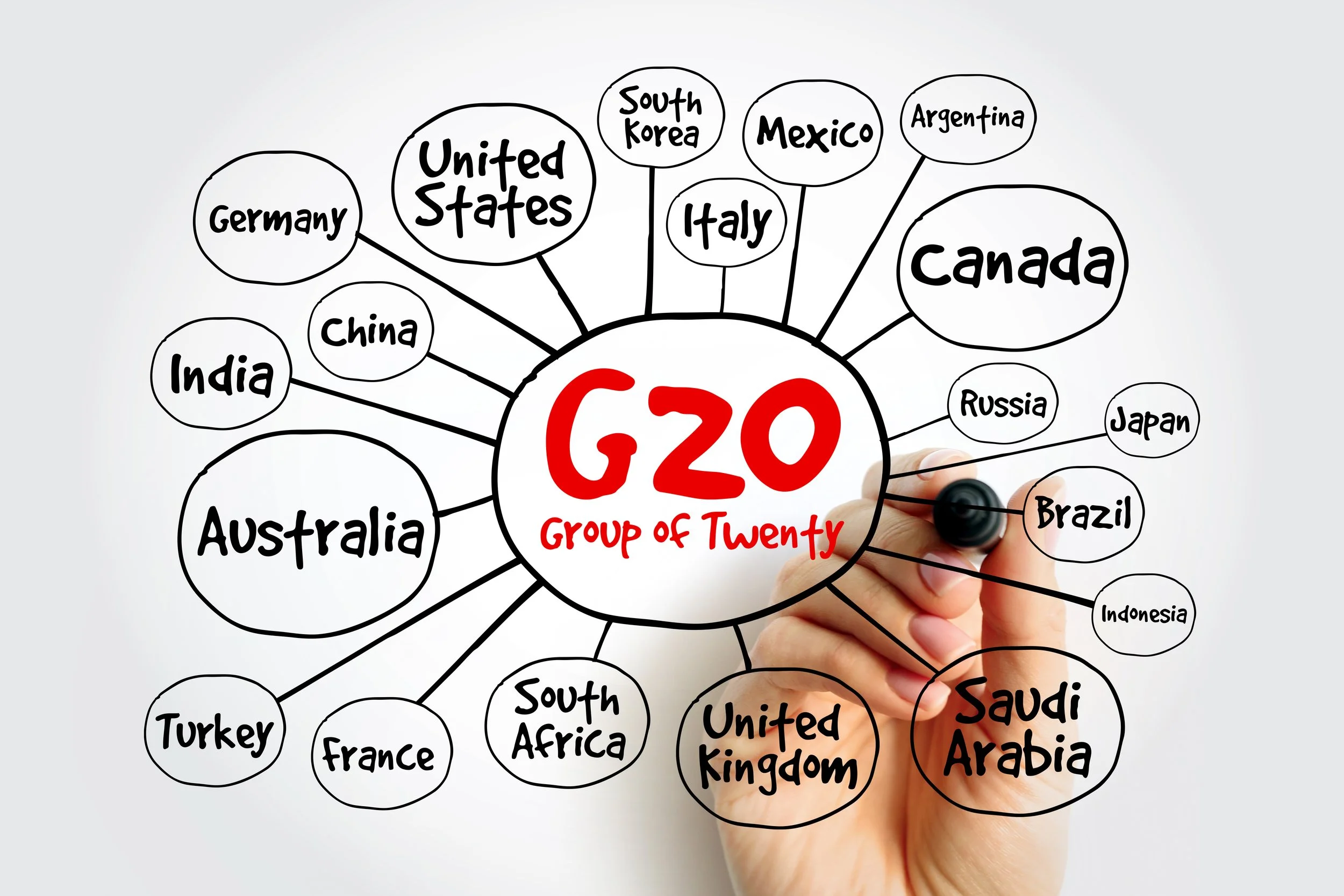
If global diplomacy were a high-stakes chessboard, the G20 Summit would be the table where the world’s biggest players gather to make their next move. And with South Africa stepping into one of its most influential leadership moments, the country is no longer just reacting to global shifts — it’s helping shape them.
Think of the G20 like a massive control room of the global economy, where every lever pulled affects jobs, investment flows, climate policy, and innovation across the world. South Africa’s presence in that room matters more than ever — not just for symbolism, but for real economic and geopolitical impact.
In this article, you’ll learn:
How South Africa’s G20 position strengthens its international influence
What this means for local businesses, markets, and investors
The key policy themes shaping the global agenda
How leaders can prepare for post-summit shifts
And the strategic opportunities South Africans must not ignore
Let’s dive in.
1. A Seat at the Power Table: Why South Africa’s G20 Role Matters More Than Ever
Ever feel like you’re watching a meeting where decisions are being made about you but not with you? The G20 summit flips that script for South Africa.
As the only African representative in the G20, South Africa carries a continental mandate — amplifying African priorities on infrastructure, climate finance, industrialisation, and fair trade.
Why this matters:
South Africa influences the policies of economies representing more than 85% of global GDP, 75% of world trade, and two-thirds of the global population.
Quote:
“Africa must be a maker of global decisions, not a passive recipient of them,” says Dr. Ngozi Okonjo-Iweala, WTO Director-General.
Practical Tip:
Local businesses should track G20 communiqués and policy agreements—they’re often precursors to regulatory and trade shifts months before they hit local markets.
2. The Economic Ripple Effect: How G20 Outcomes Shape South Africa’s Market Landscape
If you drop a stone in an ocean, the ripple seems small — until it finally reaches the shore. That’s exactly how global policy decisions reach South Africa’s economy.
G20 outcomes influence:
Interest rate trends
Investment flows and risk appetite
Energy transition funding
Digital trade agreements
Supply chain resilience
Data to note:
Global FDI flows to Africa increased by 15% in 2024, largely driven by improved global–Africa partnerships and green transition financing.
Practical Tip:
Businesses should monitor global commodity strategies discussed at G20—especially those tied to minerals critical for renewable energy.
3. Climate Commitments and the Green Industrial Push
Climate policy is no longer just an environmental issue — it’s an economic race. And the G20 sets the rules of that race.
South Africa’s Just Energy Transition Partnership (JETP) receives renewed global attention and funding at every G20 summit, reinforcing commitments to:
Renewable infrastructure
Carbon reduction
Green manufacturing
Skills development for new industries
Quote:
“The energy transition is Africa’s greatest economic opportunity.” — Fatih Birol, IEA Executive Director
Practical Tip:
Executives should explore green financing instruments emerging through G20 channels — concessional loans, blended finance, and public–private partnerships.
4. Digital Transformation: A Priority South Africa Can’t Afford to Miss
In a world where data is the new gold, digital policy becomes a matter of competitive survival.
G20 members are driving agendas on:
AI governance
Digital tax frameworks
Cross-border digital trade
Cybersecurity standards
For South Africa, this creates opportunities for:
Scaling digital SMEs
Improving digital skills
Attracting global tech investment
Interoperability of financial systems
Statistic:
Digital trade is growing three times faster than physical trade globally.
Practical Tip:
Businesses should prioritise AI readiness, as G20 countries increasingly define rules shaping global digital markets.

5. Re-shaping Global Trade: What South African Exporters Should Expect
Every G20 summit influences tariff negotiations, trade agreements, and market access. South Africa leverages this platform to push for fair trade conditions for:
Agriculture
Automotive
Metals and minerals
Pharmaceuticals
Renewable energy value chains
Quote:
“Trade must enable development, not deepen inequality,” says President Cyril Ramaphosa.
Practical Tip:
Exporters should focus on compliance with global sustainability standards, which are fast becoming entry tickets into G20 markets.
6. Strengthening Africa’s Global Voice Through South Africa
South Africa’s G20 voice extends beyond national interests. It represents:
AfCFTA integration
Continental infrastructure
Africa’s financial system reform
Debt sustainability
Youth employment and education alliances
This transforms SA’s positioning from a participant to a continental connector.
Statistic:
AfCFTA could boost intra-African trade by 52% by 2035, according to the World Bank.
Practical Tip:
African-focused companies should align strategies with cross-border reforms accelerated through G20 diplomatic commitments.
7. How Business Leaders Can Prepare for the Post-G20 Landscape
A summit is only powerful if its outcomes are acted on. Leaders should prepare by:
Building scenario plans based on policy shifts
Monitoring trade and digital policy updates
Enhancing ESG reporting
Exploring G20-aligned funding opportunities
Strengthening organisational agility and foresight
The organisations that gain the most are those that connect global signals to local strategy.
Quote:
“Strategic foresight is not predicting the future — it’s preparing for it,” says futurist Amy Webb.
Conclusion: A Moment of Global Influence South Africa Must Leverage
South Africa’s engagement in the G20 is more than diplomatic symbolism — it’s a strategic position with real economic consequences. From climate financing to digital trade, energy security to global investment trends, the G20 provides South Africa with both a voice and an opportunity.
As we move into 2026, the leaders who will thrive are those who can:
Decode global shifts
Integrate policy signals into strategy
Move with agility
And compete with confidence in an interconnected world
South Africa isn’t just watching the world’s future unfold — it’s helping design it.

From Insight to Impact: Building Resilient Strategies for a Volatile Economy
Discover how to build resilient strategies for a volatile economy. Learn how foresight, agility, and culture can turn uncertainty into opportunity and position your organisation for long-term success in 2026.

When markets shake and forecasts blur, only one kind of organisation stands tall — the one built to bend, not break.
If 2025 taught leaders anything, it’s that economic volatility isn’t an event — it’s the new environment. Inflation pressures, policy shifts, and global instability continue to test the limits of strategy and leadership. Yet amid the turbulence, some organisations aren’t just surviving — they’re adapting, innovating, and growing.
Think of resilience as the shock absorber of business — it doesn’t stop the bumps, but it ensures you stay on the road. In this article, we’ll explore how organisations can translate insight into impact — building strategic resilience that allows them to thrive in uncertainty and seize new opportunities in 2026.
1. Resilience Starts with Clarity, Not Control
In unpredictable markets, control is an illusion. What leaders need instead is clarity — a clear understanding of purpose, priorities, and risk tolerance.
According to Gestaldt, resilient organisations are three times more likely to achieve long-term growth because they plan for flexibility rather than precision. This means designing strategies that can pivot without losing sight of long-term goals.
💡 Tip: Build “strategic clarity dashboards” that highlight non-negotiable objectives while allowing tactical fluidity in execution.
2. Data-Driven Foresight: Anticipate Before You React
Volatility doesn’t arrive unannounced — it leaves data breadcrumbs. The challenge lies in seeing the signals before they become shocks.
A global survey found that 68% of resilient companies rely on predictive analytics to anticipate disruption. By transforming raw data into foresight, leaders can turn uncertainty into informed decision-making.
💡 Tip: Combine internal performance metrics with external indicators — such as commodity prices, interest rates, or consumer sentiment — to anticipate market shifts early.
3. Diversify to Strengthen the Core
Resilience isn’t about doing more; it’s about spreading risk intelligently. Diversification — in products, markets, or supply chains — gives organisations more shock absorbers when one area falters.
Take MTN Group, for example. By expanding across 20+ African markets, the company mitigated local economic risks and achieved stable growth despite currency volatility and regulatory uncertainty.
💡 Tip: Conduct a “dependency audit” — identify areas where your business relies too heavily on one supplier, client, or market, and develop alternatives.

4. Culture as a Competitive Shield
Resilience isn’t built in strategy documents; it’s built in culture. Teams that trust leadership, communicate openly, and embrace change recover faster from setbacks.
A Gallup study revealed that companies with highly engaged teams outperform competitors by 21% in profitability and recover 2x faster from market disruptions. Empowered employees are the strongest line of defense against volatility.
💡 Tip: Encourage transparent communication about risks and changes — employees who understand the “why” behind shifts are more likely to stay engaged.
5. Financial Agility: Flexibility is the New Efficiency
Resilient organisations treat liquidity like oxygen — essential for survival and growth. Instead of chasing short-term efficiency, they build financial agility that supports long-term adaptability.
According to the Resilience Barometer, 60% of leading organisations now prioritise maintaining flexible capital structures and access to alternative funding sources.
💡 Tip: Regularly stress-test your financial models under different economic scenarios to identify weak points before they become crises.
6. Leadership That Balances Optimism with Realism
In turbulent times, leaders must balance optimism with clear-eyed realism. The best leaders acknowledge risks while inspiring confidence and purpose.
As author Jim Collins notes in Good to Great, great leaders “confront the brutal facts, yet never lose faith.” In 2026’s volatile economy, that mindset is the cornerstone of strategic resilience.
💡 Tip: Adopt the “Stockdale Paradox” — be brutally honest about current challenges while remaining unwaveringly confident in long-term success.
Conclusion: Turning Insight into Impact
Resilience isn’t a static trait — it’s a strategic muscle built through foresight, adaptability, and empowered leadership. The most successful organisations of 2026 will be those that can absorb shocks, respond intelligently, and act with purpose.
As Peter Drucker famously said, “The greatest danger in times of turbulence is not the turbulence itself, but to act with yesterday’s logic.” Turning insight into impact means rethinking what strength looks like — less rigidity, more agility; less control, more clarity.
In a volatile economy, resilience isn’t just the ability to bounce back — it’s the power to bounce forward.

Innovation in Uncertain Times: Turning Constraints into Creativity
Uncertainty breeds innovation. Learn how organisations can turn constraints into creativity, build resilience, and thrive through economic and market turbulence.

When the world feels unpredictable, creativity often becomes our greatest currency. History shows that the boldest ideas don’t emerge in comfort—they’re born from constraint.
Think of uncertainty as a storm. While some freeze in fear, innovators learn to dance in the rain. Economic volatility, shifting markets, and technological disruptions can cripple unprepared organisations—but for the adaptable, these same pressures ignite ingenuity.
In this article, we explore how businesses can transform limitations into opportunities for innovation, drawing lessons from global leaders who turned adversity into advantage.
1. Rethinking the Role of Constraints
Constraints aren’t roadblocks—they’re springboards. Research from Harvard Business School reveals that companies facing resource limitations often outperform their peers in innovation because necessity drives focus and creativity.
Instead of lamenting what’s missing, high-performing teams ask, “What can we do with what we have?”
Tip: Challenge your team to create solutions under specific limits—time, budget, or materials. It fosters sharper thinking.
Quote: “Creativity loves constraints.” – Marissa Mayer, former Yahoo! CEO
2. Build a Culture That Rewards Experimentation
Fear of failure kills innovation faster than a recession ever could. When uncertainty rises, organisations often tighten control—but that’s when they should loosen it. Encourage experimentation and treat every setback as data, not defeat.
A Gestaldt study found that companies with strong innovation cultures are 3x more likely to outperform competitors during economic downturns.
Tip: Introduce “micro-innovation” challenges—small-scale experiments with low risk and quick feedback loops.
3. Leverage Technology as an Enabler, Not a Crutch
Digital tools are no longer optional—they’re the backbone of resilience. From AI to cloud collaboration, technology amplifies creativity by removing logistical barriers. But innovation happens when people, not platforms, drive change.
Example: South African SMEs using cloud-based collaboration tools have cut project turnaround times by 25% despite limited resources.
Tip: Use technology to simplify workflows and empower decision-making, not to overcomplicate processes.
4. Collaborate Beyond Boundaries
When times are tough, partnerships become powerful. Cross-sector collaboration allows organisations to pool resources, share risk, and tap into diverse perspectives.
A Gestaldt report found that 75% of breakthrough innovations emerge from collaboration between teams, industries, or external partners.
Tip: Build “innovation coalitions” with suppliers, clients, or even competitors to co-create new solutions.

5. Keep People at the Heart of Innovation
Behind every great idea is a motivated person. During uncertain times, employees crave purpose and stability. Empower them with autonomy, trust, and recognition, and innovation follows naturally.
Quote: “Innovation distinguishes between a leader and a follower.” – Steve Jobs
Tip: Host regular idea-sharing sessions and celebrate the best concepts—no matter how small.
6. Measure What Matters
In a crisis, vanity metrics don’t cut it. Innovation should tie back to business value—customer satisfaction, efficiency, and long-term growth. By tracking meaningful outcomes, you can ensure creativity delivers tangible results.
Tip: Establish KPIs that balance experimentation with accountability, such as “time to prototype” or “idea-to-implementation ratio.”
Conclusion: The Bright Side of Uncertainty
Uncertain times test more than strategy—they test spirit. The organisations that thrive aren’t necessarily the biggest or richest, but the most adaptive. Constraints push us to prioritise, to think differently, and to act boldly.
Innovation, at its core, isn’t about abundance—it’s about ingenuity. When leaders nurture creativity amid chaos, they transform challenges into catalysts for growth.
As Albert Einstein famously said, “In the middle of difficulty lies opportunity.”