

Continuous Learning Organisations: Building a Culture of Lifelong Development
Learn how to build a continuous learning organisation that drives innovation, employee growth, and long-term success through a culture of lifelong development.

The companies winning today aren’t the ones that know it all—they’re the ones that never stop learning.
Think of your organisation as a muscle. If you stop using it, it weakens. But keep it active—stretching, challenging, adapting—and it grows stronger over time. That’s exactly how continuous learning works in business.
In this article, you’ll discover how to transform your organisation into a learning powerhouse—one that adapts faster, innovates smarter, and stays ahead in a world that refuses to stand still.
1. Why Continuous Learning Is No Longer Optional
Standing still in today’s business world? That’s just falling behind in slow motion.
Industries are evolving at breakneck speed, driven by technology, globalisation, and shifting customer expectations. Organisations that fail to keep up risk becoming irrelevant.
According to the World Economic Forum, 50% of employees will need reskilling by 2026 due to technological advancements.
As futurist Alvin Toffler famously said:
“The illiterate of the 21st century will not be those who cannot read and write, but those who cannot learn, unlearn, and relearn.”
Continuous learning ensures your workforce remains agile, relevant, and competitive.
Practical Tip:
Conduct regular skills gap analyses to identify where learning is most urgently needed.
2. From Training to Learning: Shifting the Mindset
One-off training sessions won’t cut it anymore—it’s like going to the gym once and expecting lifelong fitness.
Traditional training is event-based. Continuous learning is embedded into daily work. It’s about curiosity, experimentation, and growth.
LinkedIn’s Workplace Learning Report shows that 94% of employees would stay longer at companies that invest in their learning.
The shift is from “teaching” to “enabling learning.”
Practical Tip:
Encourage microlearning—short, focused learning sessions integrated into everyday workflows.
3. Leadership’s Role: Setting the Learning Tone
If leaders aren’t learning, don’t expect anyone else to.
Leadership behaviour sets the cultural tone. When leaders actively learn, share insights, and admit what they don’t know, it creates psychological safety.
According to Harvard Business Review, organisations with strong learning cultures are 92% more likely to innovate.
As Microsoft CEO Satya Nadella says:
“Don’t be a know-it-all; be a learn-it-all.”
Practical Tip:
Have leaders publicly share what they’re learning—books, courses, or lessons from failures.
4. Creating Systems That Make Learning Stick
Good intentions don’t build learning cultures—systems do.
Without structure, learning initiatives fade away. Successful organisations embed learning into processes, performance management, and daily workflows.
Research from Bersin by Deloitte shows that companies with strong learning cultures are 52% more productive.
Systems can include learning platforms, mentorship programs, and knowledge-sharing routines.
Practical Tip:
Integrate learning goals into performance reviews to make development a measurable priority.
5. The Power of Knowledge Sharing and Collaboration
Your organisation already has a goldmine of knowledge—you just need to unlock it.
Peer-to-peer learning accelerates development and builds stronger teams. When employees share insights, everyone benefits.
A study by Gestaldt Management Development Consultants found that social learning can improve productivity by 25–30% in knowledge-based organisations.
As author Ken Blanchard puts it:
“None of us is as smart as all of us.”
Practical Tip:
Create internal forums or communities of practice where employees can exchange ideas and expertise.
6. Leveraging Technology for Scalable Learning
In a digital world, learning shouldn’t be limited by time or location.
Technology enables on-demand, personalised, and scalable learning experiences. From e-learning platforms to AI-driven recommendations, the possibilities are endless.
According to Statista, the global e-learning market is projected to exceed $400 billion in the coming years.
But tech should enhance—not replace—human learning experiences.
Practical Tip:
Choose learning platforms that offer personalised pathways based on employee roles and goals.
7. Measuring What Matters: Learning ROI
If you can’t measure it, you can’t improve it.
Tracking learning outcomes ensures your efforts are driving real impact. This includes measuring skill development, performance improvements, and business results.
A report by IBM found that well-trained teams show 10% higher productivity.
Effective measurement connects learning to tangible outcomes.
Practical Tip:
Use metrics like skill acquisition, internal mobility, and performance improvements to evaluate success.
Conclusion
Building a continuous learning organisation isn’t about adding more training—it’s about transforming how your people think, grow, and adapt every single day.
From leadership role-modelling to embedding learning into systems and leveraging technology, every step contributes to a culture where development never stops.
In a world where change is the only constant, your greatest competitive advantage isn’t what your organisation knows today—it’s how quickly it can learn tomorrow.
So keep the muscle moving, keep the curiosity alive, and watch your organisation grow stronger with every lesson learned.

Hybrid Work & Remote Teams: Governance, Culture, and Productivity Best Practices
Learn how to manage hybrid and remote teams effectively with proven strategies for governance, culture, and productivity. Build a high-performing distributed workforce.

Managing a hybrid team is a bit like conducting an orchestra where half the musicians are in the room and the rest are streaming in live. If everyone isn’t aligned, the result is noise instead of harmony. But when governance, culture, and productivity systems are in sync, the performance is seamless—and powerful.
In this article, you’ll discover how to build structure without suffocating flexibility, foster a strong culture across distances, and unlock peak productivity in hybrid and remote teams.
1. Governance First: Why Structure Sets You Free
Freedom without structure? That’s chaos dressed up as flexibility.
Hybrid work thrives on clear governance—policies, expectations, and accountability frameworks that keep everyone aligned. Without it, teams struggle with confusion, duplication, and missed deadlines.
A report by Gartner found that 55% of hybrid workers struggle with unclear expectations, leading to decreased productivity.
Clear governance includes communication protocols, decision-making hierarchies, and performance metrics.
As management expert Peter Drucker famously said:
“What gets measured gets managed.”
Practical Tip:
Create a “Ways of Working” document that defines meeting norms, response times, and accountability structures.
2. Communication That Actually Works (Not Just More of It)
More messages don’t equal better communication—in fact, they often mean the opposite.
In hybrid teams, communication must be intentional, not constant. The key is choosing the right channels for the right purpose—sync for collaboration, async for updates.
Research from Microsoft shows that inefficient meetings are one of the top productivity killers in remote teams.
Clarity beats frequency every time.
Practical Tip:
Adopt a “default to async” approach for updates, reserving meetings for decision-making and collaboration.
3. Culture Beyond the Office: Keeping Teams Connected
Out of sight shouldn’t mean out of sync.
Culture isn’t about office perks—it’s about shared values, trust, and connection. In hybrid setups, culture must be built deliberately.
According to Gallup, employees who feel connected to their workplace culture are 3.7 times more likely to be engaged.
As Satya Nadella puts it:
“Culture is how we show up when no one is watching.”
Strong culture in hybrid teams comes from consistent rituals, transparent leadership, and meaningful interactions.
Practical Tip:
Establish regular virtual rituals—weekly check-ins, recognition shoutouts, or informal team catch-ups.
4. Productivity Isn’t About Hours—It’s About Outcomes
If you’re still measuring productivity by hours worked, you’re already behind.
Hybrid work demands a shift from time-based to outcome-based performance. Trust and accountability replace micromanagement.
A Stanford study found that remote workers can be up to 13% more productive when managed effectively.
Outcome-driven teams are more focused, motivated, and efficient.
Practical Tip:
Set clear KPIs and focus on deliverables, not activity. Track results, not screen time.

5. Technology as the Backbone of Hybrid Success
Your tools can either empower your team—or quietly sabotage them.
Technology is what connects hybrid teams, but too many tools can create friction instead of flow.
According to a report by Asana, employees switch between apps up to 25 times per day, hurting efficiency.
The goal is integration, not overload.
Practical Tip:
Streamline your tech stack—choose tools that integrate well and reduce unnecessary switching.
6. Leadership in a Hybrid World: Trust Over Control
You can’t manage hybrid teams the old way—and that’s a good thing.
Hybrid leadership requires empathy, trust, and clarity. Leaders must focus on outcomes, support well-being, and communicate transparently.
Harvard Business Review highlights that high-trust organisations report 50% higher productivity.
As leadership expert Brené Brown says:
“Trust is built in small moments.”
Practical Tip:
Schedule regular one-on-ones focused on support and growth—not just performance tracking.
7. Preventing Burnout in Always-On Work Environments
When work is everywhere, burnout can creep in anywhere.
Hybrid work blurs boundaries between personal and professional life. Without clear limits, employees can feel “always on.”
The World Health Organization recognises burnout as an occupational phenomenon, with remote workers particularly at risk due to lack of boundaries.
Healthy teams are productive teams.
Practical Tip:
Encourage clear working hours and respect “offline time”—lead by example.
Conclusion
Hybrid work isn’t a trend—it’s the new normal. But success doesn’t happen by accident. It requires intentional governance, a strong and inclusive culture, and a productivity model built on trust and outcomes.
From setting clear expectations to leveraging the right technology and supporting employee well-being, every piece plays a role in creating a high-performing hybrid team.
Get these elements right, and you won’t just keep up—you’ll build a workplace that’s resilient, adaptable, and ready for the future.

Diversity and Inclusion as Strategy: How Equity Drives Performance and Innovation
Discover how diversity, inclusion, and equity drive business performance and innovation. Learn actionable strategies to build an inclusive workplace that fuels growth.

Diversity and inclusion aren’t just buzzwords anymore—they’re the secret sauce behind the world’s most innovative and high-performing companies. Ignore them, and you’re leaving serious growth on the table.
Think of your organisation as a garden. If you plant only one type of seed, you’ll get a uniform—but limited—result. But mix different seeds, nurture them equally, and suddenly you’ve got a thriving ecosystem bursting with colour, resilience, and creativity.
That’s exactly what diversity and inclusion (D&I) do for businesses. In this article, you’ll learn how equity fuels performance, sparks innovation, and why companies that embrace D&I as a strategy—not a checkbox—are miles ahead of the competition.
1. Why Diversity Isn’t Just “Nice to Have” Anymore
Still thinking diversity is a soft HR initiative? Think again—it’s a bottom-line driver.
Diversity brings together people with different perspectives, backgrounds, and problem-solving approaches. This variety leads to better decision-making and stronger business outcomes.
A Gestaldt study found that companies in the top quartile for ethnic diversity are 37% more likely to outperform financially than their peers.
As business leader Indra Nooyi once said:
“Diversity of thought is what drives innovation.”
Practical Tip:
Audit your current team composition—look beyond gender and race to include skills, experiences, and thinking styles.
2. Inclusion: The Missing Piece That Makes Diversity Work
Hiring diverse talent is one thing—making them feel valued is where the magic happens.
Without inclusion, diversity is just optics. Employees need to feel safe, heard, and empowered to contribute.
Research from Gestaldt shows that inclusive teams are 9 times more likely to achieve better business outcomes.
When people feel included, they’re more engaged, productive, and loyal.
Practical Tip:
Create structured opportunities for all voices to be heard—think roundtable discussions instead of top-down meetings.
3. Equity: The Game-Changer Most Companies Overlook
Equality gives everyone the same shoes. Equity makes sure they actually fit.
Equity ensures that employees have access to the resources and opportunities they need to succeed. This means addressing systemic barriers, not just treating everyone the same.
According to Gartner, organisations that prioritise equity see a 26% increase in employee performance.
As author Verna Myers puts it:
“Diversity is being invited to the party; inclusion is being asked to dance.”
Practical Tip:
Review pay structures, promotions, and development opportunities to identify and eliminate disparities.
4. Innovation Thrives Where Differences Collide
If everyone thinks the same, innovation doesn’t stand a chance.
Diverse teams challenge assumptions and bring fresh ideas to the table. This friction—when managed well—leads to breakthroughs.
Gestaldt Management Consultants found that companies with above-average diversity in leadership generate 20% more innovation revenue.
Practical Tip:
Encourage cross-functional collaboration—mix departments and backgrounds when forming teams.
5. D&I as a Competitive Advantage in Talent Attraction
Top talent isn’t just chasing salaries—they’re chasing purpose and belonging.
Today’s workforce, especially younger generations, prioritises inclusive workplaces. Companies that fail to embrace D&I risk losing out on top-tier candidates.
Our survey revealed that 77% of job seekers consider workplace diversity important when evaluating job offers.
Practical Tip:
Showcase your D&I initiatives transparently on your careers page and social media.
6. Building a Culture That Sustains Inclusion
One-off workshops won’t cut it—culture is built daily, not annually.
Sustainable D&I requires leadership commitment, consistent policies, and accountability. It’s about embedding inclusion into everyday practices.
According to Harvard Business Review, companies with inclusive cultures are more adaptable and resilient during change.
As leadership expert Simon Sinek says:
“A culture is strong when people work with each other, for each other.”
Practical Tip:
Tie leadership performance metrics to D&I goals to ensure accountability.
Conclusion
Diversity, inclusion, and equity aren’t just ethical imperatives—they’re strategic powerhouses. Together, they unlock innovation, improve performance, and create workplaces where people genuinely thrive.
From boosting financial results to attracting top talent, the evidence is clear: businesses that embrace D&I as a core strategy don’t just survive—they lead.
So, if you want your organisation to grow like that thriving garden, it’s time to plant the seeds of equity, nurture inclusion, and let diversity do what it does best—transform everything.

Future-Proofing Organisations: Scenario Planning for 2027–2030
Future-proofing organisations requires more than predicting trends—it demands structured scenario planning. Learn how leaders can prepare for 2027–2030 with strategic foresight, digital intelligence, and resilient decision-making frameworks.

The future rarely sends a calendar invite.
One moment business feels predictable, and the next, a technological breakthrough, geopolitical shift, or market disruption changes everything overnight. The organisations that survive—and thrive—aren’t the ones that try to predict the future perfectly. They’re the ones prepared for multiple futures.
Think of scenario planning as building several bridges before the river changes course. Instead of betting everything on one forecast, leaders explore different possibilities and design strategies flexible enough to adapt.
In this guide, you’ll learn how forward-thinking organisations prepare for 2027–2030 using scenario planning, emerging technology insights, and strategic resilience frameworks.
1. Why Scenario Planning Is the New Strategic Superpower
Here’s a hard truth: traditional long-term planning is becoming obsolete.
For decades, companies relied on linear forecasting—projecting current trends into the future. But in an era shaped by AI, climate pressures, and rapid digital disruption, that model breaks down.
Scenario planning, popularised by energy giant Royal Dutch Shell in the 1970s, helps leaders explore multiple plausible futures instead of relying on a single prediction.
According to research by the World Economic Forum, businesses that incorporate scenario planning into strategy processes adapt significantly faster during global disruptions.
Futurist Peter Schwartz explains it well: “Scenarios are not predictions. They are tools to help us understand what might happen.”
Practical Tip:
Create three baseline scenarios for your organisation: optimistic growth, moderate change, and disruptive transformation.
You can explore complementary strategy frameworks in our guide:
Strategic Decision-Making in the Digital Age
https://gestaldt.com/strategic-decision-making-in-the-digital-age/
2. Identifying the Mega Trends Shaping 2027–2030
Before building scenarios, leaders must understand the forces shaping the future.
Consulting experts and the World Economic Forum consistently highlight several mega-trends expected to dominate the late 2020s:
Artificial intelligence integration
Climate adaptation policies
Global supply chain realignment
Demographic shifts and talent shortages
The rise of digital economies
Studies suggest AI alone could add $15 trillion to global GDP by 2030.
Technology entrepreneur Elon Musk once said, “Some people don’t like change, but you need to embrace change if the alternative is disaster.”
Understanding these forces helps organisations construct realistic future scenarios rather than speculative guesses.
Practical Tip:
Assign a “trend radar team” that monitors emerging technologies, policy shifts, and consumer behaviour quarterly.
3. Building Multiple Strategic Scenarios
Once key trends are identified, organisations can design structured future scenarios.
Most effective scenario planning frameworks use three to four possible futures built around two major uncertainties—for example:
Speed of AI adoption
Global economic stability
Institutions like Harvard Business School recommend developing narratives for each scenario describing how markets, technology, and customers might behave.
These narratives help leaders stress-test strategy.
Leadership thinker Roger Martin argues that great strategy isn’t about certainty—it’s about preparing for competing possibilities.
Practical Tip:
For each scenario, ask one key question: “What strategic move would we make today if this future became reality?”
4. Using Digital Tools to Simulate the Future
Here’s where technology supercharges scenario planning.
Modern predictive analytics platforms allow organisations to simulate economic shifts, market demand, and operational risk.
Technology leaders such as IBM and Microsoft are developing AI-powered forecasting tools that analyze massive datasets in real time.
According to Gestaldt Consultants, organisations using advanced analytics for planning are six times more likely to make faster strategic decisions.
As AI researcher Andrew Ng notes, “Artificial intelligence is the new electricity.”
Just as electricity powered the industrial age, AI-powered forecasting will power future strategy.
Practical Tip:
Integrate predictive analytics into quarterly strategic reviews rather than relying solely on annual planning cycles.
5. Building Organisational Resilience
Scenario planning is only valuable if organisations can respond quickly when change happens.
That requires resilience—structures, cultures, and systems designed for adaptability.
Research from Gestaldt Management Consultants shows resilient companies outperform competitors during crises by maintaining operational flexibility and diversified revenue streams.
Leadership author Simon Sinek reminds us: “Leadership is not about being in charge. It is about taking care of those in your charge.”
Resilient organisations prioritise employee well-being, transparent communication, and continuous learning.
Practical Tip:
Develop contingency plans for critical operations—supply chains, workforce capacity, and cybersecurity.
For leadership strategies that support resilience, read:
Leadership 2.0: Augmenting Human Skills with Digital Tools
https://gestaldt.com/leadership-2-0-augmenting-human-skills-with-digital-tools/
6. Turning Scenarios Into Strategic Action
The final step in scenario planning is turning insight into action.
Too many organisations build impressive reports that sit on digital shelves. Effective companies translate scenarios into clear strategic triggers.
For example:
If AI adoption reaches a certain level → increase automation investment
If supply chain disruptions rise → diversify suppliers
If remote work expands → redesign workplace culture
Our consultants report that organisations that embed foresight into strategy cycles are significantly more agile in volatile markets.
Futurist Amy Webb summarises it well: “The future doesn’t just happen—we build it through the decisions we make today.”
Practical Tip:
Attach measurable indicators to each scenario so leadership teams know when to activate specific strategies.
Conclusion: Preparing for the Futures Ahead
The years between 2027 and 2030 will likely bring more change than many organisations experienced in the previous decade.
Scenario planning gives leaders a powerful advantage: the ability to think beyond a single forecast and prepare for multiple realities.
In this article, we explored how scenario planning strengthens strategic foresight, how mega-trends shape possible futures, how digital tools simulate outcomes, and how resilient organisations turn uncertainty into opportunity.
The truth is, the future can’t be predicted with perfect accuracy. But it can be prepared for.
Organisations that embrace foresight today won’t just survive tomorrow’s disruptions—they’ll lead the way into whatever future unfolds.

Leadership 2.0: Augmenting Human Skills with Digital Tools
Leadership 2.0 is where emotional intelligence meets digital intelligence. Discover how modern leaders use AI, data, and collaboration tools to amplify human potential—not replace it.

The corner office doesn’t look like it used to. Today’s leaders aren’t just steering teams—they’re navigating algorithms, dashboards, remote cultures, and digital ecosystems. Blink, and you’ll miss the shift.
Think of Leadership 2.0 as upgrading from a paper map to GPS. The destination—growth, innovation, impact—hasn’t changed. But the tools? They’ve gone digital. The leaders who thrive aren’t the ones who know everything. They’re the ones who know how to combine human intuition with smart technology.
In this guide, you’ll discover how to blend emotional intelligence with artificial intelligence, use data without losing your humanity, and build resilient teams in a tech-powered world.
1. From Gut Instinct to Data-Driven Confidence
Ever made a decision based purely on “a feeling”? We all have. But in today’s landscape, instinct alone won’t cut it.
Leadership 2.0 doesn’t replace intuition—it strengthens it with evidence. According to a Gestaldt report, data-driven organisations are 25 times more likely to acquire customers and 20 times more likely to be profitable.
Tools like CRM systems, analytics dashboards, and AI forecasting platforms allow leaders to validate their instincts. Companies such as Microsoft have embedded real-time analytics into everyday workflows, enabling leaders to make faster, more accurate calls.
As leadership expert John C. Maxwell famously said, “A leader is one who knows the way, goes the way, and shows the way.” In 2026, knowing the way means understanding your data.
Practical Tip:
Start small. Identify one recurring decision—like marketing performance or team productivity—and introduce a data dashboard to guide it.
For deeper insights on strategic thinking, explore our guide on Strategic Decision-Making in the Digital Age.
2. AI as Your Co-Pilot, Not Your Replacement
Here’s the big question: Is AI coming for leadership roles? Not quite.
Artificial intelligence isn’t here to take the wheel—it’s here to act as a co-pilot. Platforms powered by OpenAI and Google are helping leaders automate repetitive tasks, draft communications, analyze patterns, and brainstorm solutions in minutes.
Research from PwC suggests AI could contribute up to $15.7 trillion to the global economy by 2030. That’s not a wave you ignore—that’s one you surf.
Satya Nadella, CEO of Microsoft, said it best: “Every company is a software company.” Today, every leader must become digitally fluent.
Practical Tip:
Use AI tools to draft strategy outlines or summarise reports—but always add your human judgment before finalising decisions.
3. Digital Empathy: The New Leadership Superpower
Technology connects us—but it can also distance us. That’s where digital empathy comes in.
Remote and hybrid teams are now the norm. A Gallup study shows that employees who feel connected to their leaders are 3.7 times more likely to be engaged at work. Yet connection through screens requires intentionality.
Leaders using platforms like Zoom and Slack must go beyond task management. Tone, responsiveness, and recognition matter more than ever.
Psychologist and author Daniel Goleman emphasizes that emotional intelligence accounts for nearly 90% of what sets high performers apart from peers with similar technical skills.
Practical Tip:
Schedule monthly one-on-one video check-ins focused purely on well-being—not performance metrics.
You might also like our article on Building Emotional Intelligence in Remote Teams.

4. Continuous Learning: Upgrade or Get Left Behind
The half-life of skills is shrinking. Fast.
The World Economic Forum reported that 50% of all employees will need reskilling by 2025. Leaders can’t afford to be static while the world evolves.
Organizations like World Economic Forum consistently highlight adaptability as a top leadership trait. Digital tools—online courses, webinars, AI-driven learning platforms—make continuous education accessible and scalable.
As entrepreneur Elon Musk puts it, “Some people don’t like change, but you need to embrace change if the alternative is disaster.”
Practical Tip:
Block one hour per week for structured learning—whether it’s a digital course, industry newsletter, or tech workshop.
For more, read our internal piece on Why Lifelong Learning Is a Leadership Imperative.
5. Collaboration Without Borders
Remember when collaboration meant gathering around a conference table? Those days feel like ancient history.
Today, cross-border teams operate seamlessly thanks to cloud platforms. Research from Harvard Business Review shows that diverse teams are 35% more likely to outperform competitors.
Global companies such as IBM leverage digital collaboration tools to connect talent across continents in real time.
Leadership strategist Simon Sinek explains, “Leadership is not about being in charge. It is about taking care of those in your charge.” Digital tools simply expand the circle of care.
Practical Tip:
Adopt one shared project management platform and ensure full transparency across departments.
6. Cybersecurity Awareness: The Responsibility No One Talks About
Here’s a reality check: leadership now includes protecting digital assets.
Cybercrime damages are projected to hit $10.5 trillion annually by 2025, according to Cybersecurity Ventures. A single breach can shatter trust overnight.
Even tech giants like Meta have faced intense scrutiny over data security concerns. Leaders must understand digital risk—not just delegate it to IT.
Security expert Bruce Schneier often notes that security is a process, not a product. The mindset shift starts at the top.
Practical Tip:
Participate in at least one cybersecurity awareness session alongside your team each year.
Conclusion: The Human Edge in a Digital World
Leadership 2.0 isn’t about replacing humanity with machines. It’s about amplifying human strengths—creativity, empathy, strategic thinking—through digital tools.
We explored how data sharpens intuition, AI enhances productivity, emotional intelligence strengthens digital connection, continuous learning fuels adaptability, collaboration crosses borders, and cybersecurity protects trust.
At the end of the day, technology is just that—technology. The real differentiator is still you.
The future belongs to leaders who aren’t afraid to evolve. So lean into the tools, sharpen your human edge, and step confidently into the next era of leadership.

Sustainability Meets Profit: How ESG Drives Competitive Advantage in Emerging Markets
Discover how ESG strategies turn sustainability into profit in emerging markets. Learn how environmental, social, and governance practices drive competitive advantage, attract investors, and fuel long-term growth.

What if the biggest growth opportunity in emerging markets isn’t cheap labor or untapped consumers—but sustainability?
For years, ESG was treated like a compliance checklist. Today, it’s more like a compass guiding companies toward resilience and long-term profit. In fast-growing economies, where volatility and opportunity collide, businesses that embed environmental, social, and governance principles into their core strategy aren’t just “doing good”—they’re outperforming.
In this article, you’ll learn how ESG creates measurable competitive advantage in emerging markets, backed by data, real-world examples, and practical steps you can implement right away.
1. ESG Is No Longer a “Nice-to-Have” — It’s a Growth Engine
Here’s the reality: investors are watching.
According to the World Bank, emerging markets will drive over 65% of global economic growth by 2030. At the same time, global sustainable investments surpassed $30 trillion, as reported by the Global Sustainable Investment Alliance.
Capital flows where risk is managed—and ESG reduces risk.
Larry Fink, CEO of BlackRock, famously stated: “Climate risk is investment risk.”
Why this matters:
Companies with strong ESG performance often enjoy lower cost of capital, higher valuations, and stronger investor confidence.
A study by MSCI found that companies with high ESG ratings showed lower volatility during market downturns.
Practical Tip:
Start by conducting a simple ESG materiality assessment to identify which sustainability factors matter most to your stakeholders.
2. Environmental Innovation Cuts Costs and Unlocks New Revenue
Sustainability doesn’t drain profits—it protects margins.
Take Unilever. Its Sustainable Living Brands have grown 69% faster than the rest of the business and delivered 75% of company growth in recent years.
In emerging markets, resource scarcity is common. Efficient energy use, water management, and waste reduction translate directly into cost savings.
According to the International Finance Corporation, climate-smart investments in emerging markets could generate over $23 trillion in opportunities by 2030.
As Paul Polman, former CEO of Unilever, said: “Businesses cannot succeed in societies that fail.”
Practical Tip:
Audit your top three operational expenses and explore renewable energy, circular supply chains, or waste reduction programs to cut costs and enhance brand perception.
3. Social Impact Builds Brand Trust in Volatile Markets
In emerging markets, trust is currency.
Companies operating in regions with regulatory instability or economic inequality must earn legitimacy beyond compliance.
Look at Safaricom in Kenya. Its mobile money platform, M-Pesa, transformed financial inclusion for millions, strengthening both social impact and profitability.
According to Edelman’s Trust Barometer, 81% of consumers say trust influences purchasing decisions.
Indra Nooyi, former CEO of PepsiCo, once said: “Performance with purpose is the new competitive advantage.”
Why this works:
Social initiatives reduce reputational risk, increase customer loyalty, and improve employee engagement.
Practical Tip:
Align one core product or service with a measurable social outcome—such as financial inclusion, education access, or community development.
4. Strong Governance Attracts Global Capital
Here’s the unglamorous truth: governance makes or breaks investment deals.
Emerging markets often struggle with regulatory unpredictability. Transparent governance structures send a powerful signal to international investors.
The Organisation for Economic Co-operation and Development highlights that firms with strong governance frameworks enjoy greater access to foreign investment.
Warren Buffett of Berkshire Hathaway put it bluntly: “It takes 20 years to build a reputation and five minutes to ruin it.”
Companies with clear board oversight, anti-corruption policies, and transparent reporting often outperform peers in emerging economies.
Practical Tip:
Adopt globally recognized reporting standards such as IFRS Sustainability Disclosure Standards or align reporting with investor expectations to increase credibility.
5. ESG Strengthens Resilience in High-Risk Environments
Emerging markets can be unpredictable—currency swings, supply chain disruptions, climate shocks.
ESG-ready companies are better prepared.
Research from Gestaldt Market Research shows that companies integrating sustainability into operations experience improved long-term performance and risk mitigation.
For example, businesses investing in renewable energy are less exposed to fossil fuel price volatility.
As Al Gore, former U.S. Vice President and climate advocate, stated: “Sustainability is the new growth strategy.”
Practical Tip:
Map your top five business risks and evaluate how ESG integration can reduce exposure.
6. ESG Differentiation Wins Competitive Positioning
Standing out in crowded emerging markets isn’t easy.
But sustainability creates distinction.
According to Nielsen, 73% of global consumers say they would change consumption habits to reduce environmental impact.
Brands that communicate authentic ESG commitments often capture premium pricing and stronger loyalty.
Consider how Patagonia built a fiercely loyal customer base through environmental activism and transparency.
Simon Sinek famously said: “People don’t buy what you do; they buy why you do it.”
Practical Tip:
Develop a transparent ESG storytelling strategy. Share measurable outcomes—not just promises.

Internal Resources to Expand Your Strategy
Deepen your approach with these related guides:
Learn how to build resilience in Risk Management Frameworks for Emerging Economies
Discover innovation insights in SME Innovation Labs: How Small Firms Can Build Big Ideas with Limited Budget
Conclusion: The Future of Profit Is Sustainable
The old narrative said sustainability costs money. The new reality? Sustainability creates value.
In emerging markets—where volatility meets opportunity—ESG is not just ethical positioning. It’s strategic positioning.
Environmental efficiency reduces costs. Social trust builds loyalty. Governance transparency attracts capital. Together, they form a powerful competitive moat.
The companies that win tomorrow won’t just chase short-term margins—they’ll build long-term resilience.
Sustainability and profit aren’t rivals. They’re partners.
And in emerging markets, that partnership might just be your greatest competitive advantage.

SME Innovation Labs: How Small Firms Can Build Big Ideas with Limited Budget
Discover how SME Innovation Labs empower small and medium-sized enterprises to turn limited budgets into breakthrough ideas. Learn practical strategies, tools, and real-world inspiration to build big innovations without breaking the bank.

What if the next game-changing innovation isn’t brewing inside a glass-walled tech campus—but in a modest office above a local bakery?
Innovation isn’t reserved for billion-dollar giants. It’s more like a spark in dry grass—it spreads fast when nurtured properly. And that’s exactly what SME Innovation Labs are: controlled environments where small and medium-sized enterprises (SMEs) experiment, test, and refine bold ideas without burning through cash.
In this guide, you’ll discover how small companies can build powerful innovation labs on a shoestring budget, practical frameworks to follow, real-world inspiration, and smart tools to scale efficiently.
1. The Myth of “Big Budget = Big Innovation” (And Why It’s Wrong)
Let’s bust a common myth: innovation doesn’t depend on deep pockets—it thrives on sharp focus.
Companies like Dyson started with relentless prototyping and modest early resources before becoming global household names. Founder James Dyson built over 5,000 prototypes before launching his first successful vacuum.
Research from the Harvard Business Review shows that resource constraints often increase creative problem-solving by forcing teams to think differently.
As Steve Jobs once said, “Innovation is about saying no to 1,000 things.”
Why this matters for SMEs:
Limited budgets encourage smarter experimentation, faster iteration, and reduced waste.
Practical Tip:
Set a fixed “innovation budget cap.” Constraints fuel creativity. Don’t aim for perfect—aim for tested.
2. Build a “Micro-Lab,” Not a Corporate Lab
You don’t need whiteboards covering every wall or a Silicon Valley zip code to innovate.
Think of your SME Innovation Lab as a sandbox—contained, intentional, and experimental.
Companies like 3M allow employees to dedicate 15% of their time to passion projects. That principle can scale down beautifully for small companies.
According to Gestaldt Management Consultants, companies that allocate structured innovation time are 40% more likely to outperform competitors.
What a micro-lab looks like:
A small cross-functional team
Clear 90-day innovation goals
Rapid prototype cycles
Customer feedback loops
Jeff Bezos of Amazon famously said, “If you double the number of experiments you do per year, you’re going to double your inventiveness.”
Practical Tip:
Dedicate just 5–10% of employee time to structured experimentation.
3. Borrow Brilliance: Partnerships Over Payroll
Hiring a full R&D department? Not necessary.
Instead, collaborate.
Look at how MIT Media Lab partners with startups and small companies to test emerging technologies. SMEs can mirror this approach on a smaller scale through universities, freelancers, or industry associations.
According to Gestaldt, 75% of highly innovative companies rely on external partnerships.
Smart collaboration ideas:
Local university research projects
Startup accelerators
Open innovation platforms
Joint pilot programs
As Henry Chesbrough, the “father of open innovation,” puts it: “Not all the smart people work for you.”
Practical Tip:
Create a simple partnership proposal template to approach potential collaborators.
4. Prototype Fast, Fail Cheap
Here’s the truth: perfection is expensive. Testing is affordable.
Take Dropbox. Before building its platform, the company released a simple explainer video to validate demand. That video alone generated 70,000 sign-ups overnight.
According to Gestaldt Insights, 40% of startups fail due to lack of market need—not poor technology.
Innovation labs should focus on:
MVPs (Minimum Viable Products)
Landing page tests
Pre-orders
Beta trials
Thomas Edison famously said, “I have not failed. I’ve just found 10,000 ways that won’t work.”
Practical Tip:
Before building anything complex, test demand with a landing page or prototype demo.
5. Data Is Your Secret Weapon (Even on a Small Budget)
You don’t need enterprise analytics systems to make smart decisions.
Affordable tools now give SMEs access to powerful insights once reserved for corporations.
For example, Google Analytics allows small firms to track customer behaviour at virtually no cost.
A study by Gestaldt found that data-driven companies are three times more likely to report significant decision-making improvements.
Key data metrics for SME Innovation Labs:
Customer acquisition cost
Conversion rates
Feature usage
Customer feedback trends
Peter Drucker said it best: “What gets measured gets managed.”
Practical Tip:
Choose 3–5 core KPIs for each innovation experiment—no more.
6. Create an Innovation Culture (Without Burning Out Your Team)
Innovation isn’t a department—it’s a mindset.
Companies like Netflix built a culture that empowers calculated risk-taking and transparency.
According to Gallup, highly engaged teams show 21% higher profitability.
For SMEs, culture-building means:
Celebrating smart failures
Encouraging idea-sharing
Rewarding initiative
Maintaining psychological safety
As Satya Nadella of Microsoft said, “Our industry does not respect tradition—it only respects innovation.”
Practical Tip:
Hold a monthly “Idea Lab Day” where employees pitch and test new ideas.

Internal Resources to Deepen Your Strategy
If you’re serious about building an SME Innovation Lab, these guides can help:
Learn how to streamline workflows in our guide to Lean Business Processes for Growing SMEs
Discover funding options in Government Grants for Small Business Innovation
Explore digital scaling in Affordable Digital Transformation Strategies for SMEs
Conclusion: Small Budget, Massive Potential
Innovation doesn’t care about office size or payroll numbers. It cares about courage, clarity, and consistency.
SME Innovation Labs prove that with focused experimentation, strategic partnerships, data-driven decisions, and a culture of curiosity, small companies can punch well above their weight.
Remember: every global giant started small. Every breakthrough began as a fragile idea. Your innovation lab might not look flashy—but if it’s intentional, disciplined, and customer-focused, it can change everything.
Big ideas don’t need big budgets. They need bold action.
Now the question is—what will you test first?

Digital-First Customer Strategies: Competing on Experience in Tough Times
In uncertain economies, customer experience becomes a competitive edge. Learn how digital-first strategies help organisations retain trust and loyalty.

When economic pressure rises, many organisations instinctively focus on cost-cutting. But history shows that companies which win during downturns don’t compete on price alone — they compete on experience.
In an era of cautious consumers, digital-first customer strategies have become a decisive differentiator. Customers expect speed, personalisation, and consistency across every interaction, regardless of economic conditions. For South African organisations navigating uncertainty, experience is no longer a “nice to have” — it’s a strategic survival tool.
This article explores how digital-first customer strategies help organisations retain trust, deepen loyalty, and stay competitive when conditions are tough.
Why Customer Experience Matters More in Uncertain Economies
In tough times, customers become more selective, more value-conscious, and less forgiving of friction. Poor service, slow responses, or inconsistent digital experiences quickly erode trust.
This shift mirrors the broader volatility discussed in Global Economic Headwinds: How South African Businesses Can Stay Resilient.
Strong customer experience delivers:
Higher retention when acquisition costs rise
Greater lifetime value per customer
Stronger brand trust during uncertainty
Key insight: When budgets tighten, experience becomes the battleground.
Digital-First Does Not Mean Digital-Only
A common misconception is that digital-first means removing the human touch. In reality, the most effective strategies blend digital efficiency with human empathy.
Digital-first organisations:
Use technology to remove friction
Empower customers with choice and control
Reserve human interaction for moments that matter
This balance aligns with the people-centred leadership principles in The Human Side of Transformation: Keeping Purpose Alive Amid Change.
Practical takeaway: Digital should enable relationships, not replace them.
Personalisation at Scale: From Data to Relevance
Customers now expect interactions tailored to their needs, preferences, and context. Digital tools make this possible — even for SMEs.
Practical applications include:
Personalised offers based on behaviour
Targeted communication across channels
Adaptive customer journeys
AI-enabled personalisation builds on capabilities explored in AI and Business: Practical Use Cases for South African Enterprises.
Result: Customers feel understood, not marketed to.
Speed, Simplicity, and Self-Service
In uncertain environments, customers value convenience and responsiveness more than ever. Digital-first strategies prioritise:
Seamless self-service platforms
Faster issue resolution
Reduced customer effort
These efficiencies not only improve satisfaction — they also reduce operational costs, supporting resilience as outlined in From Insight to Impact: Building Resilient Strategies for a Volatile Economy.
Practical tip: Measure customer effort, not just satisfaction.
Trust as a Digital Differentiator
Digital experiences must be built on trust — especially where data privacy, security, and transparency are concerned. Customers are increasingly aware of how their data is used and expect ethical handling.
Trust-based digital strategies include:
Clear data usage communication
Secure, reliable platforms
Consistent brand experience across channels
Leadership plays a critical role in maintaining trust under pressure, as highlighted in Leadership in Crisis: How to Maintain Trust and Morale Under Pressure.

Empowering Frontline Teams with Digital Tools
Customer experience is ultimately delivered by people. Digital-first organisations equip frontline teams with:
Real-time customer insights
Integrated CRM platforms
Automation that removes admin burden
This human-digital partnership reflects workforce priorities discussed in Talent, Skills & Automation: Preparing Your Workforce for the Next Decade.
Key insight: Better tools create better conversations.
The South African Context: Digital as an Equaliser
For South African organisations, digital-first strategies can level the playing field. They allow smaller firms to compete with larger players by delivering:
Consistent omnichannel experiences
Scalable service without proportional cost increases
Access to broader markets
This agility is critical for long-term competitiveness and aligns with themes in Designing the Future: Strategic Priorities for South African Leaders in 2026.
From Customer Strategy to Execution
Many organisations understand the importance of customer experience — but struggle to execute. Digital-first success requires:
Clear ownership of customer journeys
Alignment between marketing, operations, and IT
Continuous measurement and improvement
Bridging this gap reflects execution challenges explored in From Strategy to Execution: Closing the Gap in Organisations.
Conclusion
In tough economic times, customer experience is not a cost — it’s an investment. Digital-first customer strategies help organisations retain trust, deepen loyalty, and differentiate when margins are under pressure.
By combining technology with empathy, data with purpose, and speed with trust, organisations can compete not just on price, but on experience.
In uncertain markets, the brands that customers remember — and return to — are the ones that made things easier when times were hardest.

AI and Business: Practical Use Cases for South African Enterprises
AI is reshaping South African business. Explore practical AI use cases that improve decision-making, automate operations, and build resilience at scale.

Artificial intelligence is no longer a futuristic concept reserved for tech giants. Across South Africa, AI is quietly reshaping how organisations operate, compete, and create value. From automating routine tasks to improving decision-making and customer engagement, AI has moved from experimentation to execution.
For business leaders, the real question is no longer whether to adopt AI — but where to apply it for tangible impact. In a constrained and volatile economic environment, practical use cases matter more than hype.
This article explores how South African enterprises can apply AI in realistic, high-value ways that drive efficiency, resilience, and growth.
Why AI Has Become a Strategic Imperative
AI adoption is accelerating globally, but local realities shape how it should be deployed in South Africa. Skills shortages, infrastructure constraints, and economic pressure mean organisations must focus on use cases that deliver measurable returns.
This pragmatic approach aligns with the resilience-focused thinking outlined in From Insight to Impact: Building Resilient Strategies for a Volatile Economy.
When used strategically, AI helps organisations:
Improve productivity without increasing headcount
Enhance decision quality through data-driven insights
Respond faster to market and customer changes
AI becomes a competitive enabler — not just a technology upgrade.
Use Case 1: Smarter Decision-Making Through Predictive Analytics
Many South African organisations sit on large volumes of underutilised data. AI-powered analytics can turn this data into predictive insights, helping leaders anticipate trends rather than react to them.
Practical applications include:
Sales forecasting and demand planning
Credit risk and fraud detection
Scenario modelling for strategy and investment
This foresight-driven capability complements the strategic planning mindset explored in Strategic Foresight 2026: Turning Reflection into Action.
Practical tip: Start with one decision area where better prediction directly improves outcomes.
Use Case 2: Automating High-Volume, Low-Value Work
AI-driven automation is especially valuable in environments with cost pressure and skills gaps. Robotic Process Automation (RPA) and AI-enabled workflows reduce manual effort while improving accuracy.
Common applications include:
Invoice processing and reconciliations
Customer onboarding and compliance checks
HR administration and payroll queries
This aligns closely with workforce transformation priorities discussed in Talent, Skills & Automation: Preparing Your Workforce for the Next Decade.
Key insight: Automation should free people to focus on judgement, creativity, and relationships — not replace them.
Use Case 3: Enhancing Customer Experience at Scale
AI-powered chatbots, recommendation engines, and sentiment analysis tools are transforming customer engagement across sectors — from banking and retail to telecoms and professional services.
In the South African context, AI can:
Provide 24/7 customer support at lower cost
Personalise services based on behaviour and preferences
Detect service issues before customers escalate
Stronger customer trust and responsiveness support the leadership principles highlighted in The Human Side of Transformation: Keeping Purpose Alive Amid Change.
Use Case 4: Strengthening Supply Chain and Operations
AI plays a critical role in building operational resilience. Machine learning models can detect disruptions early, optimise inventory, and improve supplier performance.
Applications include:
Demand forecasting and inventory optimisation
Predictive maintenance in manufacturing and utilities
Supplier risk monitoring
These capabilities reinforce lessons from Supply Chain Resilience: Lessons From Global Disruptions and Local Adaptation.
Bottom line: AI helps organisations move from reactive operations to proactive control.
Use Case 5: Supporting Leadership and People Decisions
AI is increasingly used to augment — not replace — leadership judgement. People analytics platforms help leaders understand engagement, performance, and retention risks.
Practical uses include:
Identifying skills gaps and reskilling priorities
Predicting employee turnover
Supporting fairer, data-informed talent decisions
This leadership augmentation reflects the evolution described in The Evolving Role of Leadership in 2026: From Control to Empowerment.

Key Enablers for Successful AI Adoption
Technology alone does not guarantee success. South African organisations that extract real value from AI focus on three enablers:
1. Clear Business Use Cases
AI must solve a defined business problem — not exist as a standalone innovation project.
2. Skills and Change Management
Employees must understand how AI supports their work. This reinforces trust and adoption, especially during transformation.
3. Governance and Ethics
Responsible AI use builds confidence with regulators, employees, and customers — particularly in data-sensitive industries.
These execution challenges echo themes from From Strategy to Execution: Closing the Gap in Organisations.
AI in the South African Context: Opportunity with Responsibility
AI adoption also presents an opportunity to address structural challenges — from productivity gaps to skills development. When deployed responsibly, AI can support inclusive growth rather than deepen inequality.
Organisations that align AI strategy with purpose and long-term value creation are better positioned for sustainable success.
Conclusion
AI is not a silver bullet — but it is a powerful accelerator when applied with intent. For South African enterprises, the greatest value lies in practical use cases that improve decisions, automate inefficiencies, and strengthen resilience.
The organisations that win with AI will not be those chasing the latest technology trend, but those that integrate AI thoughtfully into strategy, culture, and execution.
In a decade defined by uncertainty, AI becomes most powerful when it helps people think better, act faster, and lead with confidence.

Organisational Design for Growth: From Flat Hierarchies to Agile Structures
Organisational design shapes growth. Learn how agile structures help organisations move beyond rigid hierarchies to scale faster and execute better.

As markets become more volatile and customer expectations evolve faster than ever, many organisations are discovering a hard truth: growth is no longer constrained by strategy alone — it is constrained by structure.
Hierarchies built for stability struggle in environments that demand speed, adaptability, and innovation. Flat structures promise flexibility but often lack clarity and accountability. The real opportunity lies in agile organisational design — structures that balance empowerment with execution.
For South African organisations preparing for the next phase of growth, organisational design has become a strategic lever, not an HR afterthought.
Why Organisational Design Matters More Than Ever
Organisational design determines how decisions are made, how work flows, and how quickly teams respond to change. In periods of uncertainty, poorly designed structures amplify friction, slow execution, and erode accountability.
This challenge closely mirrors insights from From Strategy to Execution: Closing the Gap in Organisations, where misalignment between strategy and structure often derails even the best plans.
Well-designed organisations enable:
Faster decision-making
Clear ownership and accountability
Better collaboration across functions
Scalable growth without complexity overload
The Limits of Traditional Hierarchies
Traditional hierarchical models were designed for predictability, not disruption. While they provide clarity and control, they often:
Slow decision-making
Create silos between functions
Distance leadership from customers and frontline realities
In fast-moving environments, these limitations can undermine resilience — a theme explored in Global Economic Headwinds: How South African Businesses Can Stay Resilient.
Key insight: Control may create order, but agility creates momentum.
Flat Structures: Freedom Without Direction?
In response, many organisations experimented with flat hierarchies. While flatter structures can increase autonomy and innovation, they also introduce new risks:
Unclear decision rights
Role ambiguity
Accountability gaps
Without clear governance, flat models can struggle to scale. Growth requires more than freedom — it requires coordination.
This balance between empowerment and clarity reflects leadership shifts discussed in The Evolving Role of Leadership in 2026: From Control to Empowerment.
Agile Structures: The Best of Both Worlds
Agile organisational design blends structure with flexibility. Rather than rigid hierarchies or total flatness, agile models focus on:
Small, cross-functional teams
Clear outcomes and decision ownership
Rapid feedback and iteration
These structures allow organisations to respond quickly to change while maintaining strategic alignment.
Agility at the organisational level supports the foresight-driven thinking outlined in Strategic Foresight 2026: Turning Reflection into Action.
Practical takeaway: Agile structures prioritise speed and accountability.

Designing Around Value, Not Functions
One of the most powerful shifts in organisational design is moving from functional silos to value streams. Instead of organising around departments, agile organisations organise around:
Customer journeys
Products or services
Strategic priorities
This approach improves collaboration, reduces handovers, and aligns teams directly with outcomes. It also strengthens execution — a recurring challenge highlighted in From Insight to Impact: Building Resilient Strategies for a Volatile Economy.
Leadership’s Role in Agile Design
Agile structures fail without agile leadership. Leaders must shift from directing work to enabling performance.
Effective leaders in agile organisations:
Clarify purpose and priorities
Set guardrails rather than rules
Trust teams to make decisions
This people-centred approach reinforces lessons from The Human Side of Transformation: Keeping Purpose Alive Amid Change.
Leadership truth: Structure enables agility — leadership sustains it.
The South African Growth Context
For South African organisations, agile design is particularly critical. Economic volatility, infrastructure constraints, and skills shortages demand structures that can adapt quickly without losing focus.
Agile organisational models also support:
SME scalability
Innovation under constraint
Faster response to regulatory and market shifts
These priorities align with future-focused themes in Designing the Future: Strategic Priorities for South African Leaders in 2026.
From Structure to Sustainable Growth
Organisational design is not a one-time exercise. As strategy evolves, structures must evolve with it.
Growth-ready organisations:
Review design regularly
Experiment with pilot teams
Adjust governance as scale increases
In doing so, they avoid the trap of structural rigidity and build resilience into the operating model itself.
Conclusion
Growth in today’s environment demands more than ambition — it demands the right organisational design. Moving beyond rigid hierarchies and ineffective flat models toward agile structures enables speed, accountability, and innovation at scale.
For organisations serious about sustainable growth, organisational design is no longer optional. It is a strategic capability — one that determines whether strategy remains on paper or comes to life in execution.

Talent, Skills & Automation: Preparing Your Workforce for the Next Decade
Automation and skills disruption are reshaping work. Discover how organisations can prepare talent, re-skill teams, and align automation for the next decade.

If strategy is the blueprint of the future, talent is the workforce that builds it. And right now, that workforce is standing at the intersection of rapid automation, widening skills gaps, and shifting employee expectations.
For South African organisations, the next decade will not be defined by technology alone — but by how effectively leaders prepare people to work with technology. Automation is accelerating, AI is reshaping roles, and skills are expiring faster than ever before.
The organisations that thrive will be those that rethink talent, invest in skills, and design automation strategies that elevate — not replace — their people.
Why Talent Strategy Is Now a Business-Critical Issue
Automation and digital transformation are no longer future trends — they are current realities. According to the World Economic Forum, nearly 50% of employees will require reskilling by 2030 due to automation and AI adoption.
This urgency mirrors the broader uncertainty explored in From Insight to Impact: Building Resilient Strategies for a Volatile Economy, where adaptability is emerging as a defining organisational capability.
Talent strategy today directly influences:
Productivity and innovation
Employee engagement and retention
Organisational resilience
In short, talent is no longer an HR issue — it’s a leadership mandate.
The Skills Shift: From Static Roles to Dynamic Capabilities
Traditional job descriptions are becoming obsolete. The future workforce is built around capabilities, not fixed roles.
High-value skills for the next decade include:
Digital literacy and data fluency
Critical thinking and problem-solving
Adaptability and learning agility
Emotional intelligence and collaboration
This human-centred shift aligns closely with insights from The Human Side of Transformation: Keeping Purpose Alive Amid Change.
Practical insight: Skills expire faster than strategies — continuous learning must become embedded, not optional.
Automation as an Enabler, Not a Threat
One of the biggest leadership missteps is framing automation as a cost-cutting exercise rather than a capability-building opportunity.
Smart organisations use automation to:
Eliminate repetitive, low-value tasks
Free employees for higher-impact work
Improve decision-making through data
This balanced approach reflects the leadership evolution discussed in The Evolving Role of Leadership in 2026: From Control to Empowerment.
Key mindset shift: Automation should amplify human potential — not diminish it.
Preparing Leaders for a Hybrid Human-Digital Workforce
The future workforce will be hybrid — humans and machines working side by side. That requires leaders who are comfortable managing both complexity and change.
Effective leaders in this environment:
Build trust during transition
Communicate clearly about automation impacts
Reskill teams before disruption hits
These leadership capabilities are essential during periods of uncertainty, as explored in Leadership in Crisis: How to Maintain Trust and Morale Under Pressure.

Reskilling at Scale: Small Steps, Big Impact
Large-scale reskilling doesn’t require massive budgets — it requires focus.
High-impact approaches include:
Micro-learning and modular training
Internal mentorship and peer learning
Cross-functional project exposure
This execution-focused mindset connects directly with From Strategy to Execution: Closing the Gap in Organisations.
Practical tip: Prioritise skills that support strategic priorities — not generic training.
The South African Context: Opportunity in Transition
South Africa faces a dual challenge: high unemployment alongside acute skills shortages. Organisations that invest in talent development contribute not only to their own resilience, but to broader economic stability.
Future-ready workforce strategies also support:
SME competitiveness
Digital inclusion
Sustainable growth
These themes echo opportunities outlined in Designing the Future: Strategic Priorities for South African Leaders in 2026.
From Workforce Planning to Workforce Design
The next decade demands a shift from workforce planning to workforce design. This means:
Designing roles around outcomes
Building flexible talent pools
Aligning automation with purpose and culture
Organisations that integrate talent, skills, and automation into a single strategy are better positioned to weather disruption and capture opportunity.
Conclusion
The future of work isn’t about choosing between people and technology — it’s about designing systems where both thrive together.
By investing in skills, embracing automation thoughtfully, and leading with empathy and clarity, organisations can build a workforce that is resilient, adaptable, and ready for the next decade.
In an era of constant change, the most competitive advantage remains timeless: people who are equipped, empowered, and engaged.

Supply Chain Resilience: Lessons From Global Disruptions and Local Adaptation
Global disruptions have reshaped supply chains. Discover key lessons and practical strategies South African organisations can use to build resilient, future-ready supply networks.

From global pandemics and geopolitical tensions to energy instability and climate shocks, supply chains have become one of the most exposed fault lines in today’s economy. What was once treated as an operational back-office function is now firmly on the strategic agenda of boards and executive teams.
For South African organisations, the lesson is clear: supply chain resilience is no longer about efficiency alone. It is about continuity, competitiveness, and long-term survival in an increasingly volatile world.
This article explores the key lessons from global supply chain disruptions — and how South African businesses can adapt locally to build resilient, future-ready supply networks.
Why Supply Chain Resilience Is Now a Strategic Priority
Recent global disruptions revealed a hard truth: highly optimised, cost-focused supply chains are often fragile under stress. Just-in-time models, single-source suppliers, and long-distance dependencies amplify risk when shocks occur.
These systemic vulnerabilities mirror the broader uncertainty explored in Global Economic Headwinds: How South African Businesses Can Stay Resilient.
For business leaders, supply chain resilience now underpins:
Revenue protection
Customer trust
Regulatory compliance
Operational continuity
In short, resilient supply chains are a strategic asset — not a cost centre.
Lesson 1: Visibility Beats Optimisation
One of the biggest failures during recent disruptions was a lack of end-to-end visibility. Many organisations simply did not know where their critical inputs originated or where bottlenecks would emerge.
Leading companies are now investing in:
Real-time supply chain analytics
Multi-tier supplier mapping
Early-warning risk indicators
This shift from optimisation to visibility aligns with the foresight-driven thinking discussed in Strategic Foresight 2026: Turning Reflection into Action.
Practical insight: You cannot manage what you cannot see.
Lesson 2: Diversification Is a Resilience Multiplier
Global disruptions exposed the danger of over-reliance on single suppliers, single regions, or single transport routes. Companies with diversified sourcing recovered faster and with less financial impact.
For South African firms, diversification can include:
Dual or multi-supplier strategies
Regional and intra-African sourcing
Blended local and global supply models
This is increasingly relevant as Africa’s trade integration accelerates, creating new regional sourcing opportunities.
Lesson 3: Local Adaptation Is a Competitive Advantage
While global reach matters, local adaptability has emerged as a decisive advantage. South African businesses that invested in local supplier development, regional manufacturing, and domestic logistics proved more resilient during shocks.
This localisation trend connects with the growth opportunities highlighted in South Africa’s Green Economy: Opportunities for Growth, where local production and sustainable infrastructure strengthen both resilience and economic impact.
Key takeaway: Global resilience is built on strong local foundations.
Lesson 4: Supply Chains Are Ultimately Human Systems
Technology enables resilience, but people sustain it. During disruptions, organisations with strong relationships — with suppliers, logistics partners, and internal teams — adapted faster.
Trust, communication, and shared problem-solving proved just as critical as digital tools. This reinforces leadership insights from The Human Side of Transformation: Keeping Purpose Alive Amid Change.
Resilient supply chains are built on:
Collaborative partnerships
Transparent communication
Empowered decision-making at the front line
Lesson 5: Leadership Must Shift From Control to Preparedness
Traditional command-and-control leadership struggles in fast-moving disruptions. Resilient organisations empower teams to make rapid, informed decisions closer to the issue.
This leadership evolution reflects themes in The Evolving Role of Leadership in 2026: From Control to Empowerment.
Preparedness-focused leaders:
Plan for multiple scenarios
Accept uncertainty as normal
Balance speed with accountability

Technology as an Enabler — Not a Silver Bullet
Digital tools play a crucial role in resilience, but only when aligned with strategy. Advanced analytics, AI forecasting, blockchain traceability, and automation can improve responsiveness — but they must support clear decision frameworks.
Bridging this gap between insight and execution mirrors challenges explored in From Strategy to Execution: Closing the Gap in Organisations.
Best practice: Technology amplifies good strategy — it cannot replace it.
Turning Resilience Into Long-Term Advantage
Supply chain resilience should not aim to “return to normal.” The goal is to emerge stronger, faster, and more adaptable than competitors.
Organisations that integrate resilience into core strategy are better positioned to:
Absorb future shocks
Capture new market opportunities
Build trust with customers and partners
These capabilities are essential in the volatile economic environment discussed in From Insight to Impact: Building Resilient Strategies for a Volatile Economy.
Conclusion
Global disruptions have permanently changed how supply chains must be designed and led. For South African organisations, resilience is no longer optional — it is a defining capability for sustainable growth.
By prioritising visibility, diversification, local adaptation, strong relationships, and empowered leadership, businesses can transform supply chains from fragile cost structures into resilient engines of competitive advantage.
In an era of constant disruption, the most resilient supply chains will belong to organisations that plan boldly, adapt locally, and lead with clarity.

Green Infrastructure Investment: How Companies Can Participate and Benefit
Green infrastructure investment offers South African companies a powerful path to resilience, growth, and sustainability. Learn how to participate and benefit.

As South Africa confronts energy insecurity, climate risk, and infrastructure backlogs, green infrastructure investment has moved from policy aspiration to economic necessity. Renewable energy, water resilience, transport modernisation, and climate-smart cities are no longer just public-sector priorities — they are rapidly becoming strategic opportunities for private enterprise.
For companies, green infrastructure is not only about sustainability compliance. It is about unlocking growth, reducing long-term risk, accessing new funding channels, and strengthening competitiveness in a changing global economy.
This article explores how companies can participate in green infrastructure investment — and why doing so delivers measurable commercial and strategic benefits.
Why Green Infrastructure Matters for Business
Green infrastructure refers to assets and systems designed to deliver environmental benefits alongside economic value. This includes renewable energy, energy-efficient buildings, sustainable transport, water systems, waste management, and climate-resilient infrastructure.
For South African businesses, the urgency is clear. Energy instability, water stress, and climate shocks directly threaten operational continuity — risks highlighted in Global Economic Headwinds: How South African Businesses Can Stay Resilient.
Green infrastructure helps businesses:
Reduce exposure to energy and resource volatility
Strengthen supply-chain resilience
Align with ESG and investor expectations
Access new growth markets and incentives
The Strategic Shift: From Compliance to Competitive Advantage
Historically, sustainability investments were seen as cost centres. Today, they are value drivers.
Companies that integrate green infrastructure into strategy outperform peers in resilience, reputation, and long-term returns — reinforcing lessons from Why Purpose-Driven Organisations Outperform Their Peers.
Global capital markets increasingly reward organisations that demonstrate credible sustainability pathways, while customers and talent gravitate toward future-oriented brands.
Key insight: Green infrastructure is no longer optional — it is a strategic lever.
Where Companies Can Participate
Private-sector participation in green infrastructure is broader than many leaders realise. Key entry points include:
1. Renewable Energy and Embedded Generation
Solar, wind, battery storage, and microgrids allow businesses to reduce reliance on the national grid while stabilising energy costs.
This directly connects to opportunities outlined in South Africa’s Green Economy: Opportunities for Growth.
Examples of participation:
On-site renewable installations
Power purchase agreements (PPAs)
Investment in independent power producers
2. Green Buildings and Infrastructure Upgrades
Energy-efficient buildings, smart systems, and retrofits deliver long-term cost savings while improving asset value.
Benefits include:
Lower operating expenses
Improved employee wellbeing and productivity
Higher property valuations
3. Water and Waste Infrastructure
Water scarcity is a growing operational risk in South Africa. Investment in recycling, reuse, and efficiency infrastructure protects continuity while reducing regulatory exposure.
4. Sustainable Transport and Logistics
Electric vehicle fleets, logistics optimisation, and rail-based transport solutions reduce emissions while lowering fuel and maintenance costs.

Funding and Incentives: Capital Is Available
One of the most persistent myths is that green infrastructure is too expensive. In reality, funding availability has never been stronger.
Companies can access:
Development finance institutions (DFIs)
Green bonds and sustainability-linked loans
Public-private partnerships (PPPs)
International climate finance and blended finance structures
South Africa’s growing role in global climate finance discussions — explored in G20 Summit 2025: What South Africa’s Role Means for Global Influence and Local Growth — is expanding these opportunities further.
Governance, Risk, and Execution
Green infrastructure investments require strong governance, long-term thinking, and execution discipline.
Common pitfalls include:
Poor alignment between sustainability and core strategy
Underestimating operational complexity
Weak change management
Bridging intent and execution mirrors challenges addressed in From Strategy to Execution: Closing the Gap in Organisations.
Best practice: Treat green infrastructure as a strategic transformation initiative — not a side project.
Leadership Capabilities Needed
Participating effectively in green infrastructure requires leaders who can balance economic performance with long-term value creation.
This leadership shift aligns with themes in The Evolving Role of Leadership in 2026: From Control to Empowerment and Designing the Future: Strategic Priorities for South African Leaders in 2026.
Key capabilities include:
Systems thinking
Stakeholder collaboration
Scenario planning
Long-term capital allocation
The Business Case: Tangible Returns
Companies that invest in green infrastructure consistently report:
Lower energy and resource costs
Improved operational resilience
Stronger investor and lender confidence
Enhanced brand and employer reputation
In volatile environments, these advantages compound — reinforcing insights from From Insight to Impact: Building Resilient Strategies for a Volatile Economy.
Conclusion
Green infrastructure investment is no longer the domain of governments alone. For South African companies, it represents a powerful intersection of resilience, growth, and sustainability.
Organisations that act early will not only protect themselves from future shocks — they will help shape the economic and environmental foundations of South Africa’s next growth cycle.
In a world of rising uncertainty, green infrastructure offers something rare: long-term value that benefits both business and society.

Leadership in Crisis: How to Maintain Trust and Morale Under Pressure
Leadership in crisis tests trust and morale. Learn how transparent communication, empathy, purpose, and empowered teams help leaders maintain credibility and resilience under pressure.

Crisis has a way of stripping leadership down to its core. When uncertainty rises, plans unravel, and pressure mounts, people look to leaders not for perfection — but for clarity, steadiness, and trust.
Think of leadership in crisis like a lighthouse in a storm. The waves may be violent and visibility poor, but the light must remain constant. In moments of disruption — whether economic volatility, organisational change, or external shocks — trust and morale become the most valuable currencies a leader holds.
This article explores how leaders can maintain trust, stabilise morale, and guide their organisations through crisis with credibility, empathy, and resilience.
Why Trust and Morale Matter Most During Crisis
Research consistently shows that organisations with high trust outperform peers during downturns. According to Edelman’s Trust Barometer, employees who trust leadership are more than twice as likely to remain engaged during uncertainty.
Morale directly impacts productivity, retention, recovery speed, and adaptability — themes also explored in The Power of Organisational Culture in Driving Performance.
When trust erodes, fear fills the gap — and fear slows execution.
1. Communicate Early, Often, and Honestly
Silence breeds speculation. In a crisis, employees don’t expect leaders to have all the answers — but they do expect honesty.
Transparent communication builds psychological safety, even when the message is difficult. Leaders who acknowledge uncertainty while sharing what is known are perceived as more credible and human.
A Gestaldt study found that organisations with strong internal communication during crises recover faster — reinforcing lessons from From Strategy to Execution: Closing the Gap in Organisations.
Practical Tip: Establish a regular crisis communication cadence — even if updates are brief — to reduce anxiety and rumours.
2. Lead with Empathy, Not Just Authority
Crisis is personal. Employees worry about jobs, health, families, and financial security — often simultaneously. Leaders who lead with empathy strengthen trust at a human level.
Empathetic leadership does not mean lowering standards. It means recognising context and responding with care, flexibility, and respect — a key theme in The Human Side of Transformation: Keeping Purpose Alive Amid Change.
Practical Tip: Encourage managers to check in on wellbeing before performance in one-on-one conversations.
3. Anchor People in Purpose
When the ground feels unstable, purpose provides direction. Employees need to understand why the organisation is making difficult decisions and what it is ultimately working toward.
Purpose-driven organisations maintain higher morale during disruption because people see meaning beyond short-term pain. This directly connects with insights from Why Purpose-Driven Organisations Outperform Their Peers.
Practical Tip: Reconnect teams to the organisation’s mission and values in every major decision and communication.
4. Be Visible and Consistent
In crisis, leadership visibility matters. Leaders who retreat into boardrooms or issue distant memos risk appearing disconnected.
Visibility builds reassurance. Consistency builds credibility. Together, they reinforce trust — especially during periods of strategic uncertainty highlighted in Strategic Reflections: Lessons from a Year of Transformation.
Practical Tip: Use town halls, video messages, or leadership walk-arounds to stay present and accessible.
5. Empower Teams, Don’t Centralise Fear
A common mistake in crisis is over-centralising control. While some decisions must be tightly managed, removing autonomy entirely signals distrust.
Empowered teams adapt faster and feel valued — even under pressure. This leadership shift is explored in The Evolving Role of Leadership in 2026: From Control to Empowerment.
Practical Tip: Clearly define decision boundaries and trust teams to act within them.
6. Protect Middle Managers — the Trust Multipliers
Middle managers carry the emotional weight of crisis from both directions. They translate strategy into action and absorb frontline concerns.
This mirrors challenges discussed in A Practical Guide to Building High-Performance Teams, where manager capability directly impacts engagement and performance.
Practical Tip: Equip managers with clear messaging, coaching support, and decision clarity before rolling out major changes.
7. Model Resilience Through Behaviour
Employees watch leaders closely during crisis. Calm, grounded behaviour signals stability. Reactive or defensive behaviour amplifies fear.
Resilient leadership is a strategic advantage — particularly in volatile environments explored in From Insight to Impact: Building Resilient Strategies for a Volatile Economy.
Practical Tip: Build personal resilience habits — reflection, peer support, and recovery time — to sustain leadership effectiveness.
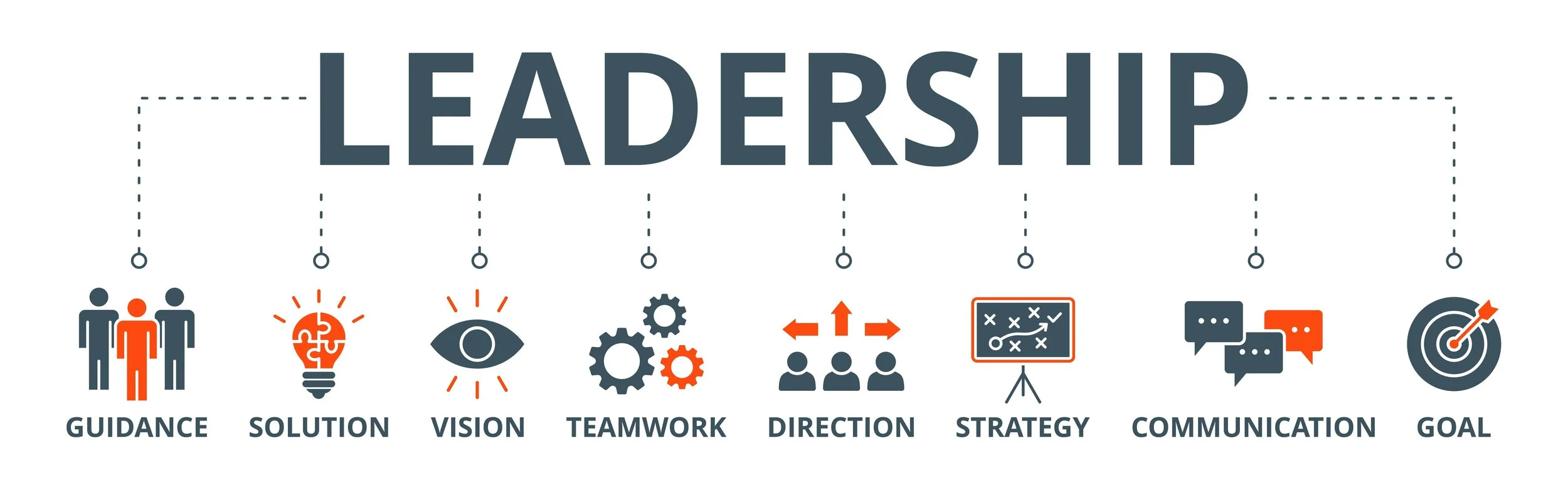
Conclusion
Crisis doesn’t create character — it reveals it. Leaders who communicate transparently, act with empathy, and anchor decisions in purpose don’t just preserve trust; they strengthen it.
In times of pressure, morale becomes a strategic asset. Organisations that emerge stronger are those whose leaders choose clarity over silence, humanity over hierarchy, and empowerment over fear.
Trust built in crisis becomes the foundation for long-term resilience — and lasting performance.

How SMEs Can Thrive in a Fragile Economic Climate: Strategies for Agility and Resilience
Discover how SMEs can stay resilient in a fragile economy with strategies for agility, cash flow, digital adoption, and market diversification.

In today’s unpredictable economy, small and medium-sized enterprises are feeling the pressure. Markets shift quickly, supply chains fluctuate, and consumer behaviour changes almost overnight. But here’s the good news: SMEs aren’t powerless. With the right strategies, they can adapt faster, move smarter, and build resilience that outperforms larger competitors.
Think of today’s economy as a turbulent sea — unpredictable, choppy, and constantly moving. Big corporations function like massive ships that take time to turn. SMEs, however, are agile speedboats. When used wisely, this agility becomes a strategic advantage.
In this article, we unpack the strategies that help SMEs stay resilient, responsive, and competitive — even when the economic waters get rough.
1. Strengthen Cash Flow Discipline Before Crisis Hits
Cash flow is the heartbeat of any SME. And in a fragile climate, controlling cash effectively becomes your biggest survival tool. Research shows that 82% of small businesses fail because of poor cash flow management, making disciplined financial oversight non-negotiable.
Executives should focus on shorter receivable cycles, tighter expense controls, and proactive renegotiation of supplier terms. As Warren Buffett famously said, “Only when the tide goes out do you discover who’s been swimming naked.” Cash flow visibility keeps you prepared before the tide shifts.
Practical Tip: Introduce a rolling 13-week cash flow forecast to anticipate pressures early.
2. Build Agility Into Your Operating Model
Agility isn’t just a buzzword — it’s a competitive weapon. SMEs that streamline decision-making and reduce bureaucratic steps can pivot faster during market disruptions.
Studies from Gestaldt Research show that agile organisations outperform others in both profitability and operational resilience. For SMEs, this means empowering teams, shortening approval cycles, and shifting resources quickly when new opportunities emerge.
Practical Tip: Add weekly “decision sprints” where leaders align on fast-moving priorities.
3. Diversify Revenue Streams to Reduce Risk
Dependence on a single product, service, or customer segment is dangerous. Economic downturns often expose these vulnerabilities first. Diversification spreads risk and opens new market opportunities.
A Harvard Business Review analysis found that companies with diversified revenue models experience lower volatility and faster recovery during economic shocks.
Practical Tip: Identify at least one adjacent service or product that aligns with current capabilities and customer needs.
4. Invest in Digital Tools That Boost Efficiency
Digital adoption is now fundamental to SME growth. Whether it’s cloud solutions, e-commerce, automation, or AI-powered customer management, these tools reduce costs and improve operations.
Gestaldt Management Consultants report that SMEs that adopt digital tools grow up to 27% faster than those that don’t. And in tough times, efficiency becomes the biggest margin protector.
Practical Tip: Start with one workflow automation tool (billing, customer service, or inventory) to free up team capacity and reduce errors.
5. Strengthen Supplier and Customer Relationships
In fragile climates, relationships matter more than ever. Building trust with suppliers can lead to better terms, priority access during shortages, and shared problem-solving.
On the customer side, engagement and feedback cycles help SMEs adapt offerings faster. Richard Branson said it well: “Business opportunities are like buses — there's always another one coming, but only if you're ready.” Staying close to your customers ensures you never miss the next opportunity.
Practical Tip: Conduct quarterly relationship check-ins with your top five suppliers and customers.
6. Prioritise Employee Stability and Skills Development
Your people are your most important asset during disruption. SMEs with strong cultures outperform their peers in adaptability and retention during uncertainty.
According to Gestaldt Management Development Consultants, skills shortages remain one of the top barriers to SME growth, making upskilling essential. Investing in development doesn’t have to be expensive — micro-learning platforms and collaborative mentorship are cost-effective.
Practical Tip: Create a 3-month internal up-skilling plan focused on digital, customer, and operational skills.
7. Use Scenario Planning to Stay Ahead of Market Shifts
Scenario planning helps SMEs anticipate risks and act before competitors do. It allows leaders to prepare for shifts in consumer demand, supply chain disruptions, or regulatory changes.
Gartner notes that companies using structured scenarios are twice as effective at responding to rapid market changes.
Practical Tip: Build three simple scenarios — optimistic, moderate, and downside — and outline decisions for each.
Conclusion
The economic climate may be fragile, but SMEs have a unique advantage: agility. By strengthening cash discipline, diversifying revenue streams, adopting technology, and empowering people, small businesses can build resilience that turns uncertainty into opportunity.
Success in 2026 and beyond will go to SMEs that embrace flexibility, act decisively, and build organisational muscle for fast adaptation. With the right strategy in place, turbulent conditions can become a launchpad for growth.

From Insight to Impact: Building Resilient Strategies for a Volatile Economy
Discover how to build resilient strategies for a volatile economy. Learn how foresight, agility, and culture can turn uncertainty into opportunity and position your organisation for long-term success in 2026.

When markets shake and forecasts blur, only one kind of organisation stands tall — the one built to bend, not break.
If 2025 taught leaders anything, it’s that economic volatility isn’t an event — it’s the new environment. Inflation pressures, policy shifts, and global instability continue to test the limits of strategy and leadership. Yet amid the turbulence, some organisations aren’t just surviving — they’re adapting, innovating, and growing.
Think of resilience as the shock absorber of business — it doesn’t stop the bumps, but it ensures you stay on the road. In this article, we’ll explore how organisations can translate insight into impact — building strategic resilience that allows them to thrive in uncertainty and seize new opportunities in 2026.
1. Resilience Starts with Clarity, Not Control
In unpredictable markets, control is an illusion. What leaders need instead is clarity — a clear understanding of purpose, priorities, and risk tolerance.
According to Gestaldt, resilient organisations are three times more likely to achieve long-term growth because they plan for flexibility rather than precision. This means designing strategies that can pivot without losing sight of long-term goals.
💡 Tip: Build “strategic clarity dashboards” that highlight non-negotiable objectives while allowing tactical fluidity in execution.
2. Data-Driven Foresight: Anticipate Before You React
Volatility doesn’t arrive unannounced — it leaves data breadcrumbs. The challenge lies in seeing the signals before they become shocks.
A global survey found that 68% of resilient companies rely on predictive analytics to anticipate disruption. By transforming raw data into foresight, leaders can turn uncertainty into informed decision-making.
💡 Tip: Combine internal performance metrics with external indicators — such as commodity prices, interest rates, or consumer sentiment — to anticipate market shifts early.
3. Diversify to Strengthen the Core
Resilience isn’t about doing more; it’s about spreading risk intelligently. Diversification — in products, markets, or supply chains — gives organisations more shock absorbers when one area falters.
Take MTN Group, for example. By expanding across 20+ African markets, the company mitigated local economic risks and achieved stable growth despite currency volatility and regulatory uncertainty.
💡 Tip: Conduct a “dependency audit” — identify areas where your business relies too heavily on one supplier, client, or market, and develop alternatives.

4. Culture as a Competitive Shield
Resilience isn’t built in strategy documents; it’s built in culture. Teams that trust leadership, communicate openly, and embrace change recover faster from setbacks.
A Gallup study revealed that companies with highly engaged teams outperform competitors by 21% in profitability and recover 2x faster from market disruptions. Empowered employees are the strongest line of defense against volatility.
💡 Tip: Encourage transparent communication about risks and changes — employees who understand the “why” behind shifts are more likely to stay engaged.
5. Financial Agility: Flexibility is the New Efficiency
Resilient organisations treat liquidity like oxygen — essential for survival and growth. Instead of chasing short-term efficiency, they build financial agility that supports long-term adaptability.
According to the Resilience Barometer, 60% of leading organisations now prioritise maintaining flexible capital structures and access to alternative funding sources.
💡 Tip: Regularly stress-test your financial models under different economic scenarios to identify weak points before they become crises.
6. Leadership That Balances Optimism with Realism
In turbulent times, leaders must balance optimism with clear-eyed realism. The best leaders acknowledge risks while inspiring confidence and purpose.
As author Jim Collins notes in Good to Great, great leaders “confront the brutal facts, yet never lose faith.” In 2026’s volatile economy, that mindset is the cornerstone of strategic resilience.
💡 Tip: Adopt the “Stockdale Paradox” — be brutally honest about current challenges while remaining unwaveringly confident in long-term success.
Conclusion: Turning Insight into Impact
Resilience isn’t a static trait — it’s a strategic muscle built through foresight, adaptability, and empowered leadership. The most successful organisations of 2026 will be those that can absorb shocks, respond intelligently, and act with purpose.
As Peter Drucker famously said, “The greatest danger in times of turbulence is not the turbulence itself, but to act with yesterday’s logic.” Turning insight into impact means rethinking what strength looks like — less rigidity, more agility; less control, more clarity.
In a volatile economy, resilience isn’t just the ability to bounce back — it’s the power to bounce forward.

Strategic Foresight 2026: Turning Reflection into Action
As 2025 ends, organisations must turn reflection into strategy. Learn how to use foresight, agility, and data-driven leadership to build momentum for 2026 and beyond.

As the dust settles on a year of disruption and recalibration, one question lingers in every boardroom: What now? Reflection is valuable — but foresight turns insight into progress.
Think of 2025 as a mirror — it revealed both the strengths and blind spots of organisations navigating global volatility. But mirrors alone don’t drive motion; windshields do. As leaders look toward 2026, strategic foresight becomes that windshield — offering clarity, direction, and confidence to move forward.
In this article, we’ll explore how businesses can translate the lessons of 2025 into agile strategies, actionable priorities, and measurable growth. You’ll discover how to turn reflection into execution and foresight into a competitive edge.
1. From Retrospection to Roadmap: The Power of Applied Insight
Reflection without follow-through is like charting a course and never setting sail. Organisations must shift from analysis to action — distilling lessons from 2025 into actionable goals and KPIs for 2026.
According to Gestaldt, companies that continuously align strategic plans with post-year reviews outperform peers by up to 45% in long-term growth metrics. Reflection is no longer a box-ticking exercise; it’s a blueprint for the next phase.
💡 Tip: Begin with a short “strategy sprint” — a focused workshop that turns year-end reviews into clear 90-day priorities.
2. Embracing Agility in Strategy Execution
Rigid strategies sink fast in unpredictable markets. Agile execution empowers leaders to pivot when necessary — without losing sight of long-term goals.
Gestaldt reports that 73% of high-performing organisations employ agile frameworks in strategy implementation. This doesn’t mean abandoning structure; it means balancing discipline with adaptability.
💡 Tip: Introduce quarterly “strategy recalibration” sessions to assess progress, identify market shifts, and adjust priorities accordingly.
3. Leveraging Data for Forward-Looking Decisions
2026 won’t reward intuition; it will reward information. Organisations that embed data analytics into decision-making cycles can predict market trends, spot inefficiencies, and act faster.
Gartner forecasts that by 2026, 70% of successful strategies will be powered by advanced analytics and real-time insights. This shift makes foresight measurable — and strategy accountable.
💡 Tip: Combine data dashboards with scenario planning to simulate outcomes and guide more confident strategic choices.

4. Leadership Alignment: From Vision to Collective Ownership
Even the sharpest foresight fails without alignment. Executives must ensure that leadership teams not only understand the vision for 2026 but share ownership of execution.
As Harvard Business Review notes, aligned leadership teams are 1.9x more likely to exceed revenue and profit targets. Foresight is not about predicting the future alone — it’s about preparing people to shape it.
💡 Tip: Host an annual “leadership foresight forum” to co-create strategic priorities and reaffirm collective accountability.
5. Building Organisational Resilience Through Strategic Foresight
The true test of strategy lies not in smooth sailing but in rough seas. Resilient organisations embed flexibility into their DNA — creating systems that adapt under stress.
World Economic Forum data shows that resilient companies recover 30% faster from market shocks and retain greater investor confidence. Strategic foresight isn’t a luxury; it’s a survival skill.
💡 Tip: Conduct resilience audits to identify potential vulnerabilities — operational, financial, or cultural — before they become crises.
Conclusion: Seeing Beyond the Horizon
Strategic foresight is not about predicting the future — it’s about preparing to thrive in it. The reflections of 2025 offer a treasure trove of insights, but the power lies in how organisations act on them.
As Peter Drucker once said, “The best way to predict the future is to create it.” By turning reflection into deliberate action, leaders can guide their organisations through uncertainty with confidence — and enter 2026 not as spectators of change, but as architects of it.

Strategic Reflections: Lessons from a Year of Transformation
As 2025 ends, discover key lessons from a year of transformation—how leaders, markets, and organisations can enter 2026 with renewed strategic focus.

As 2025 draws to a close, one thing is clear—this was no ordinary year. From shifting global markets to digital acceleration and renewed focus on purpose, organisations across South Africa and beyond have been tested, stretched, and transformed. Now comes the crucial question: what have we learned, and how can these lessons shape a stronger 2026?
Think of 2025 as a crucible—one where leaders, teams, and entire industries were refined through uncertainty. The past twelve months have forced organisations to rethink what agility, leadership, and resilience truly mean.
As we look toward 2026, reflection isn’t just a ritual—it’s a strategic imperative. By pausing to evaluate what worked, what didn’t, and where opportunities now lie, businesses can recalibrate for the year ahead with sharper focus and renewed purpose.
In this article, we’ll unpack the key leadership lessons, market trends, and transformation insights from 2025—and explore how organisations can enter 2026 with a more deliberate and future-fit strategy.
1. Leadership in Flux: The Rise of Adaptive Decision-Making
2025 proved that leadership isn’t about having all the answers—it’s about asking better questions.
Executives faced volatile markets, shifting regulations, and geopolitical uncertainty. Those who thrived were not necessarily the most experienced, but the most adaptive. They embraced uncertainty as a learning opportunity rather than a setback.
Insight: Gestaldt research shows that organisations with adaptive leaders are 1.8x more likely to outperform peers in volatile markets.
Lesson for 2026: Build leadership teams capable of fast, informed decision-making. Encourage leaders to balance long-term vision with the agility to pivot when conditions change.
Quote: “In times of rapid change, it’s not the strongest that survive, but those most responsive to change.” — Charles Darwin
2. Market Shifts: From Growth at All Costs to Sustainable Performance
The global economic landscape in 2025 was marked by tightening capital flows and cautious optimism. Companies began prioritising sustainable profitability over breakneck expansion.
In South Africa, sectors like renewable energy, fintech, and healthcare showed resilience, while traditional industries leaned into digital transformation to stay relevant.
Lesson for 2026: Focus on value creation, not volume growth. Companies that balance innovation with financial discipline will thrive in a cautious but opportunity-rich 2026.
Tip: Reassess your growth metrics—shift from measuring output to tracking impact, efficiency, and long-term viability.
3. Organisational Agility: Moving from Projects to Purpose
In 2025, many organisations learned the hard way that agility isn’t just about fast projects—it’s about clear purpose.
Teams that understood the “why” behind their work were more engaged, aligned, and effective under pressure. As hybrid work models and AI-driven tools matured, organisations with a strong sense of purpose found it easier to adapt and maintain cohesion.
Stat: According to Gestaldt, purpose-driven organisations experience 40% higher employee retention and 30% faster innovation cycles.
Lesson for 2026: Reconnect strategy to purpose. Ensure every initiative—whether digital, operational, or cultural—ties back to your core mission.

4. Technology and Human Capital: Striking the Balance
The explosion of AI and automation in 2025 accelerated productivity—but it also raised new questions about workforce readiness.
The most successful organisations recognised that technology alone isn’t the differentiator—people are. They invested in re-skilling, emotional intelligence, and collaborative capabilities to complement digital tools.
Lesson for 2026: Don’t just digitise—humanise your transformation. Equip teams to work smarter alongside technology, not beneath it.
Tip: Launch an internal “skills forecast” for 2026—identify emerging capabilities your business will need and start building them now.
5. Strategic Focus: From Annual Planning to Continuous Evolution
The era of rigid, annual strategic plans is fading fast. In 2025, many firms shifted to continuous strategy cycles, where planning and execution evolved in tandem.
This fluid approach allowed organisations to respond to external shocks without losing sight of long-term goals.
Lesson for 2026: Treat strategy as a living system. Review and recalibrate quarterly, not yearly. Embed real-time data and feedback loops into your decision-making process.
Quote: “Strategy is a process, not an event.” — Henry Mintzberg
6. The Cultural Factor: Trust, Transparency, and Engagement
One of the biggest differentiators in 2025 was culture. Organisations that fostered open communication, psychological safety, and trust saw stronger engagement and faster recovery from setbacks.
Lesson for 2026: Build a culture that thrives on transparency and shared accountability. Encourage teams to speak up, challenge ideas, and contribute to continuous improvement.
Stat: Gallup found that teams with high trust levels are 2.5x more likely to exceed performance expectations.
Conclusion: Entering 2026 with Clarity and Confidence
As 2025 comes to a close, it’s clear that transformation is no longer a phase—it’s the new normal.
The year taught us that success lies not in predicting the future, but in preparing for it. By embracing adaptability, purpose, and culture-driven strategy, organisations can navigate uncertainty with confidence and clarity.
So, as you set your sights on 2026, take time to reflect. The insights from a year of transformation are not just lessons—they’re a leadership compass for the road ahead.
Final Thought: The organisations that thrive in 2026 won’t be those that plan the most—they’ll be the ones that learn, adapt, and act the fastest.

From Strategy to Execution: Closing the Gap in Organisations
Bridging the gap between strategy and execution is the key to lasting success. Learn how to turn great plans into measurable results that drive performance.

You’ve got a brilliant strategy on paper—visionary, data-backed, and full of promise. But when it comes to execution, things stall, teams lose momentum, and results fall short. Sound familiar? You’re not alone. The strategy–execution gap is one of the biggest silent killers of organisational performance.
Think of a strategy as a blueprint for a skyscraper—it’s elegant and ambitious. But without skilled builders, the right materials, and clear direction, it remains just that: a drawing.
Bridging the gap between strategy and execution is what separates thriving organisations from those stuck in perpetual “planning mode.” In this article, we’ll unpack why execution so often fails, what leading companies are doing differently, and how leaders can turn strategic vision into measurable action.
By the end, you’ll have a roadmap to close the gap and build a culture that delivers—consistently.
1. Why the Strategy–Execution Gap Exists
It’s estimated that over 60% of strategies fail at the execution stage, according to Harvard Business Review. The problem isn’t the lack of good ideas—it’s the lack of alignment and follow-through.
Common culprits include:
Poor communication between leadership and frontline teams
Lack of clarity on ownership and accountability
Misaligned KPIs and incentives
Limited capacity or resources to deliver on goals
Tip: Translate every strategic objective into specific, measurable outcomes. Make sure every team member knows how their work contributes to the bigger picture.
Quote: “Strategy without execution is hallucination.” — Thomas Edison
2. Turning Strategy into Actionable Goals
A vision is inspiring—but it’s not actionable until it’s broken down into achievable milestones.
High-performing organisations use OKRs (Objectives and Key Results) or similar frameworks to make strategies tangible. Each department defines outcomes linked directly to corporate priorities, ensuring visibility and accountability across all levels.
Example: When a South African financial services firm adopted OKRs, it reduced project overlap by 25% and improved cross-team collaboration dramatically within six months.
Tip: Start with a simple rule—every strategy session should end with a clear execution plan, not just ideas.
3. Empowering Middle Management—the Real Bridge Builders
Middle managers are often the unsung heroes in translating vision into results. Yet they’re also the first to be overwhelmed by conflicting priorities.
To empower them, leadership must provide decision-making autonomy, resources, and training. When middle management understands the “why” behind strategy, they can effectively communicate and motivate their teams to act.
Stat: Research by Gestaldt found that organisations with empowered middle managers are 75% more likely to achieve their strategic goals.
Tip: Encourage two-way communication—let insights from the ground inform strategic adjustments.

4. Building a Culture of Accountability
Culture eats strategy for breakfast—and accountability is its main course.
Without a culture of ownership, even the best execution frameworks crumble. The key is to establish shared responsibility, where success and failure are collective outcomes.
Practical Step: Incorporate performance dashboards that are visible across teams. Public transparency encourages commitment and shared progress tracking.
Quote: “When everyone owns the results, everyone strives to improve them.” — Indra Nooyi, former PepsiCo CEO
5. Leveraging Technology to Drive Execution
Technology is the great enabler of execution. From project management tools like Asana and Monday.com to advanced performance analytics, digital systems bring visibility, coordination, and accountability.
Stat: Companies using integrated performance management tools are 33% more likely to hit their strategic goals (Gestaldt).
Tip: Use data dashboards to monitor progress in real time, helping leaders make fast, informed decisions when plans veer off course.
6. Continuous Feedback and Adaptation
Execution is not static—it evolves. Continuous feedback loops help organisations pivot when market conditions, technologies, or customer needs shift.
Adopting an agile mindset ensures strategies remain relevant while execution stays dynamic.
Example: A retail group in Johannesburg used real-time customer data to adjust its product strategy mid-year, boosting quarterly revenue by 18%.
Tip: Schedule regular strategy “pulse checks” to review what’s working and what needs to change.
Conclusion: Bridging Vision and Reality
The true test of leadership isn’t crafting a winning strategy—it’s turning that strategy into sustained performance.
When organisations align people, processes, and technology around a shared vision, strategy transforms from a document into a living, breathing force.
Closing the gap requires relentless clarity, accountability, and adaptability. As Peter Drucker famously said, “Plans are only good intentions unless they immediately degenerate into hard work.”
In 2025 and beyond, success will belong to those who not only dream big but also execute relentlessly.

Preparing for 2026: Economic Forecasts Every CEO Should Watch
2026 is approaching fast. Discover key economic forecasts every CEO should watch—from growth trends to ESG shifts—and how to turn change into opportunity.

The winds of global economics are shifting again—and 2026 could be a make-or-break year for South African and African businesses alike. CEOs who read the signals early won’t just survive the coming turbulence—they’ll soar above it.
Think of 2026 as the next chapter in a high-stakes chess match between growth, inflation, and innovation. Every move counts. From fluctuating commodity prices to emerging technologies and trade realignments, the global economy is undergoing seismic change.
For business leaders, foresight is now a strategic advantage. This article explores the key economic forecasts for 2026 that every CEO should track—helping organisations stay resilient, competitive, and ready for the opportunities hidden within uncertainty.
1. Global Growth Will Remain Uneven—but Africa Holds Promise
According to the IMF, global GDP growth is expected to slow to around 2.8% in 2026, driven by geopolitical tensions and tighter fiscal policies. Yet, sub-Saharan Africa is projected to grow by 4%, outpacing most advanced economies.
Why it matters: African economies are becoming more self-reliant, with trade integration under the African Continental Free Trade Area (AfCFTA) unlocking cross-border opportunities.
Tip: CEOs should explore regional partnerships and value-chain integration to tap into intra-African trade growth.
Quote: “Africa’s growth story is shifting from resource-driven to innovation-led.” — Akinwumi Adesina, President, African Development Bank
2. Inflation Will Ease, But Cost Pressures Stay Sticky
After years of high inflation, forecasts suggest gradual cooling—but not full relief. Energy, logistics, and wage costs are likely to remain elevated.
Stat: The World Bank projects South Africa’s inflation to average 4.5%–5% through 2026, near the upper target range of the SARB.
Tip: CEOs must continue prioritising cost optimisation through automation, local sourcing, and predictive analytics.
Example: Retailers like Shoprite are using supply chain digitisation to manage price volatility while maintaining consumer trust.
3. Technology Investment Will Define Market Leaders
By 2026, AI, data analytics, and automation will no longer be “nice-to-haves”—they’ll be core to competitiveness. Gestaldt reports that digital transformation leaders grow up to 2.5x faster than laggards.
Why it matters: The tech gap between forward-thinking firms and slow adopters will widen, especially in sectors like finance, logistics, and manufacturing.
Tip: CEOs should invest in data literacy across leadership teams, not just IT departments, to make technology a company-wide advantage.
Quote: “The next wave of digital transformation will reward companies that can turn data into decision-making power.” — Satya Nadella, Microsoft CEO
4. ESG and Sustainability Will Shape Capital Flows
The rise of the green economy continues to reshape investment priorities. By 2026, investors will favour companies that show measurable environmental and social impact.
Stat: Bloomberg Intelligence predicts global ESG assets will exceed $50 trillion by 2026.
Example: South African firms like Sasol and Nedbank are already pivoting toward greener strategies to align with sustainable finance frameworks.
Tip: CEOs should embed ESG into core strategy, not treat it as a compliance checkbox. Transparent reporting and climate resilience will attract long-term investors.
5. The Labour Market Is Changing—Talent Retention Is the New Currency
Automation and hybrid work models will transform how organisations operate. The World Economic Forum predicts that 60% of employees will need new skills by 2026.
Why it matters: Companies that fail to reskill and empower talent risk losing their best people to agile competitors.
Tip: Build a continuous learning culture—encourage upskilling, mentorship, and internal mobility to future-proof your workforce.
Quote: “The companies that win the talent race will be those that invest in people as deeply as they invest in technology.” — Arundhati Bhattacharya, Salesforce India CEO
6. Geopolitics and Trade Realignment Will Reshape Supply Chains
From the BRICS expansion to shifting global alliances, the next 18 months will test supply chain resilience.
Example: South Africa’s growing role in BRICS+ could open new trade routes with Middle Eastern and Asian markets—but also expose firms to geopolitical risks.
Tip: CEOs should diversify sourcing, strengthen risk management frameworks, and develop contingency plans for currency and logistics volatility.
Stat: Gestaldt reports that companies with diversified supply chains are 30% less likely to face production disruptions during global shocks.
Conclusion: The CEOs Who Thrive Will Be the Ones Who Anticipate
Preparing for 2026 isn’t about predicting every twist—it’s about building agility and foresight into your leadership DNA.
The next economic cycle will reward CEOs who act early: those who digitise intelligently, invest sustainably, empower people, and navigate uncertainty with clarity.
As the saying goes, “The best way to predict the future is to create it.” The time to start building that future is now.